Deer Biology
Senses, antlers, aging, movement science and health.
Guides
- GuideAre Mule Deer Bigger Than Whitetail Deer? What Agencies Say About SizeAre mule deer bigger than whitetail deer? On average, yes, per state and federal wildlife agencies. But a big northern whitetail can outweigh a mule deer.
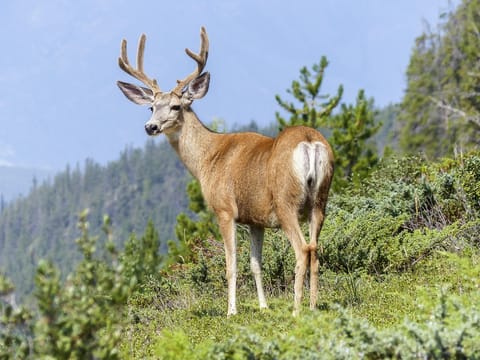
- GuideAre There Whitetail Deer in Alaska? Sightings, Not ConfirmedAre there whitetail deer in Alaska? Not confirmed. ADF&G says whitetails have been reported near Hyder and Haines but not documented. Blacktails are native.
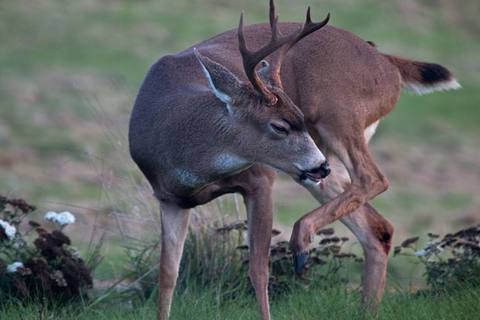
- GuideAre Whitetail Deer Endangered? No, but Two Subspecies Are ListedAre whitetail deer endangered? No. The species is common with no special federal status, but the Key deer is endangered and one Columbian group is threatened.
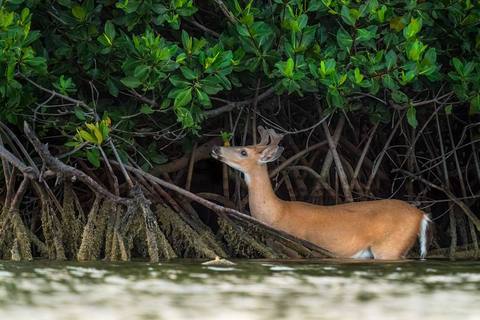
- GuideAre Whitetail Deer Nocturnal? Not Quite. They're CrepuscularAre whitetail deer nocturnal? Not by nature. Biologists call them crepuscular, most active at dawn and dusk, but heat and hunting pressure push them into dark.
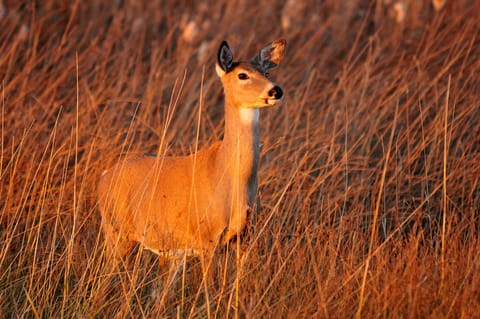
- GuideBlacktail Deer vs Whitetail: How Do You Tell Them Apart?Blacktail deer vs whitetail: the tail, the antlers and the map tell them apart. What Oregon, Washington and Alaska wildlife agencies say about each deer.
- GuideCan You Eat Deer Antlers? What Antlers Are, and What Eats ThemCan you eat deer antlers? Hard antler is bone, not food. Velvet antler is sold as a supplement with weak evidence and a CWD prion caution. Here's what eats it.
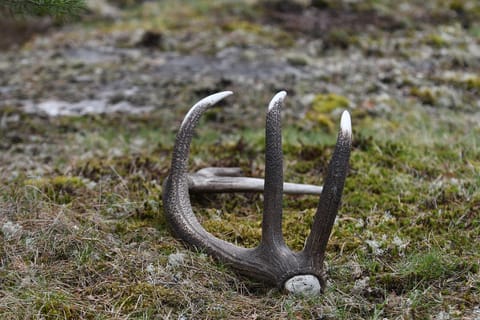
- GuideDo Whitetail Deer Eat Pecans?Do whitetail deer eat pecans? Yes, and in some orchards heavily, but most sources rank pecans below acorns. What biologists, extension and growers report.
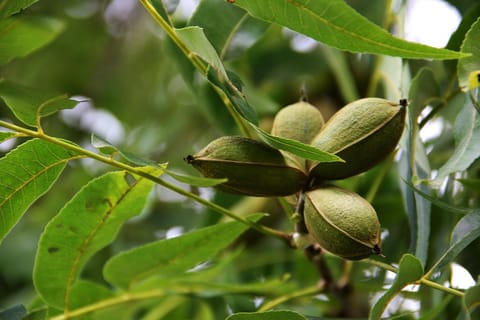
- GuideDo Whitetail Deer Migrate? Winter Moves, Yards and DispersalDo whitetail deer migrate? In snowy northern forests, many do: Michigan says up to 50 miles to wintering areas. Elsewhere, young bucks disperse instead.
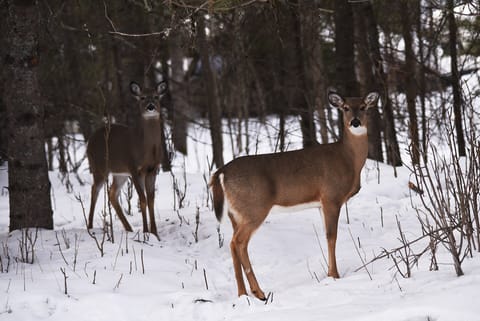
- GuideHow Many Whitetail Deer Are in the US? What State Estimates ShowHow many whitetail deer are in the US? No official count exists. State estimates to NDA top 24 million, an undercount; NDA puts North America at 30-35 million.
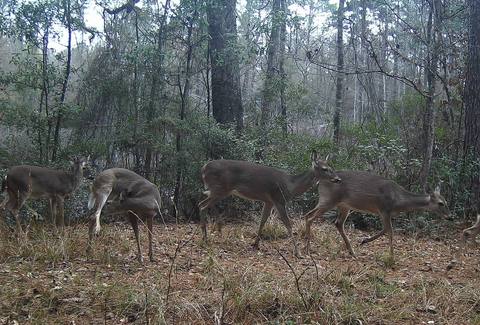
- GuideWhat Are Deer Antlers Called? Rack, Tines, Beams and BurrsWhat are deer antlers called? A set is a rack. Each antler has a burr, a main beam and points, or tines. The first point is the brow tine. Here are the terms.
- GuideWhat Color Are Deer Antlers? White, Brown and Everything BetweenWhat color are deer antlers? White under the velvet, then stained brown by blood and tree bark tannin as bucks rub. Sun bleaches them lighter by late winter.
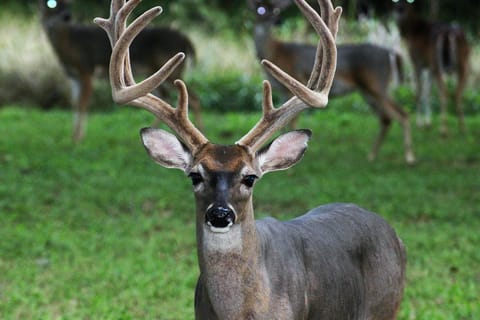
- GuideWhat Do Deer Calls Sound Like? Grunts, Bleats, Snorts and WheezesWhat do deer calls sound like? A guide to the grunt, bleat, mew, snort and snort-wheeze, per wildlife agencies, and the calls hunters use to copy them.
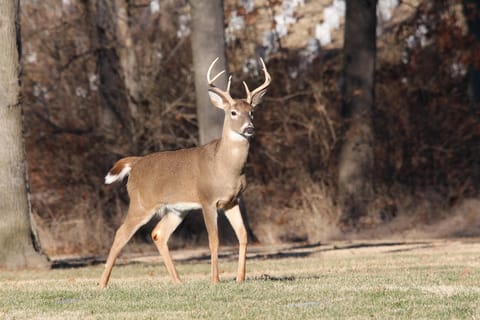
- GuideWhat Do Whitetail Deer Eat in the Winter? Browse, Acorns and Fat ReservesWhat do whitetail deer eat in the winter? Mostly woody browse: twigs, buds and evergreen needles, plus leftover acorns and stored fat. What state agencies say.
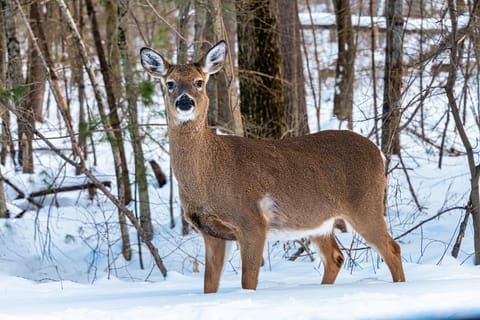
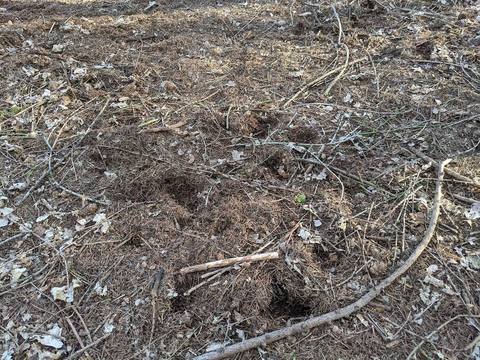
- GuideWhat Is a Deer Scrape?What is a deer scrape? A pawed patch of bare dirt under a licking branch that bucks mark with scent. What it looks like, why deer scrape, and when they visit.
- GuideWhat Is the Best Moon Phase for Deer Hunting? What GPS Studies ShowWhat is the best moon phase for deer hunting? GPS collar studies in Mississippi and Pennsylvania found none, and the rut matters far more. Here's the data.
- GuideWhat State Has the Largest Whitetail Deer?What state has the largest whitetail deer? Wisconsin leads Boone and Crockett record-book entries. For body size, northern deer like Minnesota's run biggest.
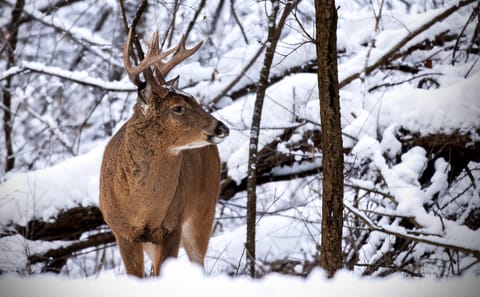
- GuideWhat State Has the Most Whitetail Deer? Texas, by a Wide MarginWhat state has the most whitetail deer? Texas, with an estimated 5.64 million in 2026 per TPWD. Here is how it compares with Wisconsin, Mississippi and Alabama.
- GuideWhen Is the Best Time for Deer Hunting? Time of Day and Time of YearWhen is the best time for deer hunting? Dawn and dusk on any day, and the rut for daytime buck movement, which peaks in mid-November in Pennsylvania's woods.
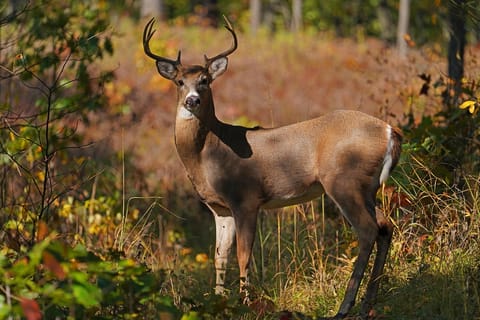
- GuideWhy Do Deer Rub Their Antlers on Trees? Velvet, Scent and SignpostsWhy do deer rub their antlers on trees? Bucks strip velvet, then keep rubbing to leave forehead scent and visual signposts. Here is what the research shows.
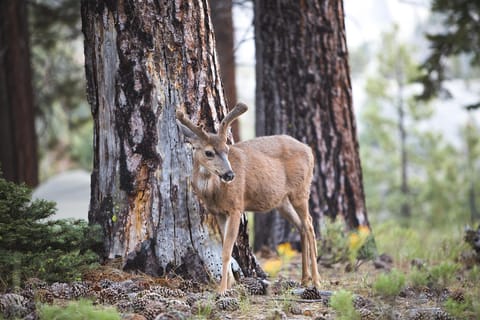
- GuideWill Deer Eat Cat Food? Why It Happens and Why You Shouldn't Let ItWill deer eat cat food? They can. Deer eat animal protein at times, and pet food left outside draws them in. Why it's a bad idea and, in some places, illegal.
- GuideWhat Accelerometer Collars Reveal About Deer BehaviorAccelerometer collars classify deer feeding, bedding and walking from motion signatures, adding detail to GPS paths. Here is what they show and their limits.
- GuideAging a Buck on the Hoof: Body and Antler Cues That Hold UpAge a free-ranging buck by body shape first and antlers last. NDA and several extension services warn antler size alone misleads. Here's the cues that hold up.
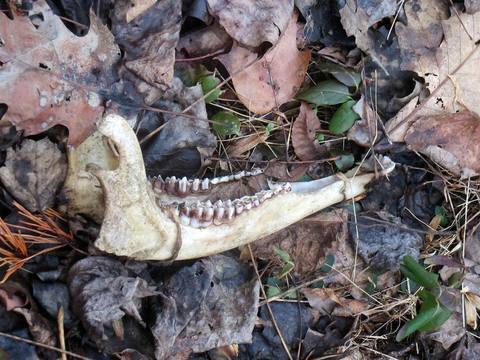
- GuideAlbino vs Leucistic Deer: How to Tell Them ApartAlbino and leucistic deer both look pale but have different pigment conditions. Here is how NDA tells them apart by eyes and coat, and how piebalds differ.
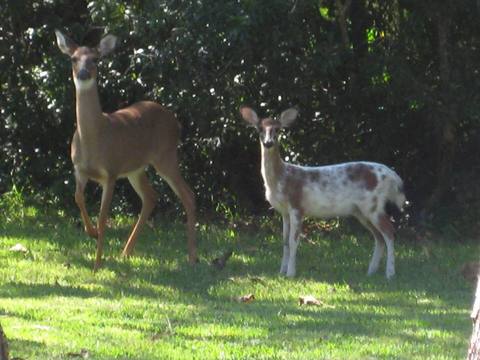
- GuideWhen Do Whitetail Deer Shed Their Antlers?When do whitetail deer shed their antlers? Between late December and April, earlier in the North and later in the South. Here is the timing by region.
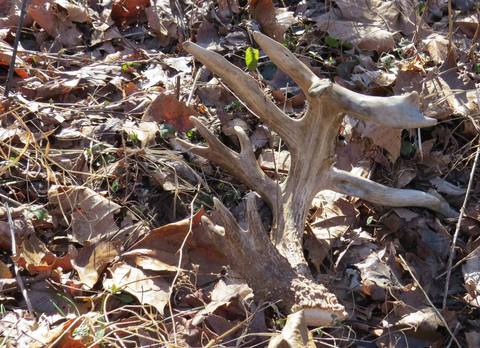
- GuideHow Bucks Pull Minerals From Their Skeleton to Grow AntlersAntlers are bones grown outside the body and paid for with minerals carried by blood. Here is how deer pull minerals from ribs and skeleton to grow them.
- GuideHow Blood Flow Through Velvet Feeds Growing AntlersGrowing antlers are fed by velvet arteries from the pedicle; blood carries nutrients to tips then returns down the core until calcification shuts flow.
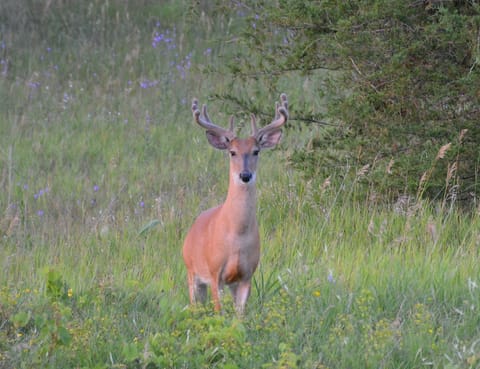
- GuideAntler Point Restrictions: Goals and Tradeoffs for HuntersAn antler point restriction lets hunters take only bucks meeting a point, spread or beam minimum to protect most yearlings. Here are its goals and tradeoffs.
- GuideCan Bucks Feel Their Antlers in Velvet?Velvet antlers are living organs with blood vessels and nerves before they harden into dead bone. Here is what Utah DWR says about velvet and sensitivity.
- GuideHow Much Doe Harvest It Takes to Shift Sex RatiosAntlerless harvest is the main density lever for deer clubs, but rates only move sex ratios and density when they are high enough. Here is what MSU says.
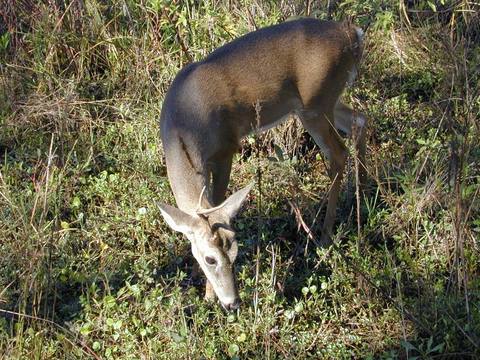
- GuideHow to Bring Old Apple Trees Back for DeerOld apple trees can feed deer again with sunlight, pruning and protection. Minnesota Extension says they need 8 hours of sun and two varieties to pollinate.
- GuideDoes Barometric Pressure Affect Deer Movement?Hunters say rising pressure means movement and falling pressure means bedded deer. Real patterns are messier. Here is what movement data shows about storms.
- GuideDo Bucks Choose Bed Sites for Thermal Cover? GPS ResearchDeer don't bed at random. A Texas GPS study of adult bucks tested whether summer bed sites were chosen for thermal cover more than forage or concealment.
- GuideBinocular Phase Coatings: Which Labels Are Worth Paying ForRoof-prism binoculars list phase correction because it restores contrast and resolution roof prisms lose. Here is which coating labels are worth paying for.
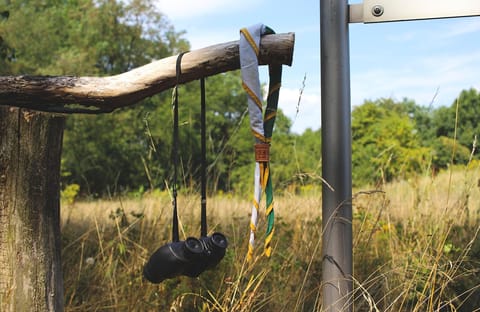
- GuideHow Many Fawns Do Black Bears Kill? Michigan Study FindingsWhere black bears are common, they can dominate fawn kills. A Michigan Upper Peninsula study of 100 fawns found low six-month survival. Here is what it found.
- GuideHow to Choose a Bone Saw for Home Deer ProcessingBone saw teeth per inch trade bone-cutting speed for smoother meat work, but FSIS still requires washing tools after raw deer. Here is how to choose a saw.
- GuideHow Bonus Antlerless Deer Tags WorkBonus antlerless tags let hunters take more does where populations or damage call for it. Here is how Wisconsin and other agencies issue extra doe tags.
- GuideBoone and Crockett 60-Day Drying Rule for AntlersBoone and Crockett requires a trophy to air dry at room temperature for 60 days before an official measurement. Here is what that means for your deer.
- GuideBrain Abscesses in Bucks: Antler Injuries and Odd BehaviorBrain abscesses are bacterial infections in a deer's head, often linked to antler-base wounds in bucks. Here is what Wisconsin and Pennsylvania biologists say.
- GuideDo Deer Eat Brassicas in Late Season? What Research ShowsLate-season brassica plots work when deer eat the leaves, the bulbs or both, and that is more nuanced than the frost-sweetens-them slogan. Here is the research.
- GuideWhy Do Bucks Break Antlers Mid-Season?A buck that loses a tine or beam mid-season usually broke it fighting, on a fence or in a collision, or from a velvet-stage weakness. Here is what happened.
- GuideWhat Browse Do Deer Prefer? South Texas Plant RankingsWhen deer choose freely, some plants vanish first and others go untouched. Here is how Texas A&M AgriLife ranks South Texas browse plants by deer preference.
- GuideWhat Are Buck Antlers and How Do They Grow?Buck antlers are bone, regrown every year. How the growth cycle works, what velvet is, why age and groceries beat genetics, and whether does can grow them.
- GuideHow Bucks Set Dominance: Sparring vs Real FightingBucks set rank two ways: low-aggression sparring that starts before the rut, and serious fights over does. Here is a look at how dominance hierarchies form.
- GuideWhy Do Bucks Lose Weight During the Rut?Mature bucks enter the rut heavy and leave it thin because they spend more time breeding than feeding. Here is what MU Extension and other research show.
- GuideHow Do Deer Hunting Zones Work in California?Deer hunting zones California, explained: A, B, C, D and X zones, premium vs. general tags, the two-tag limit, nonresident cost and how to read CDFW's stats.
- GuideHow to Run a Trail Camera Survey for Buck-Doe RatiosTrail-camera surveys estimate buck-doe and fawn ratios when clubs use consistent grids and timing. Here is how to run one and why one camera isn't a census.
- GuideCan Deer See Colors?Can deer see colors? Yes, but through two cones, not three. The UGA Deer Lab research on cones, UV light and why blue jeans stand out more than orange.
- GuideCan Deer See Orange?Can deer see orange? UGA research says blaze orange reads as a dull yellow, brown or gray to a whitetail. What they do see, the UV catch, and the pink question.
- GuideCan Deer Smell Good?Yes. Whitetails have far more olfactory receptors than people and use smell for food, danger and social cues. Here is a look at what Penn State research says.
- GuideCan Deer Smell My Pee?Yes. A deer nose that reads trail and gland chemistry will pick up human urine as a foreign odor. Here is what Penn State's Deer-Forest Study says about it.
- GuideWhat Cementum Annuli Lab Results Tell HuntersCementum annuli aging counts yearly rings in tooth roots under a microscope. Here is what lab results from hunter samples show and where jaw wear falls short.
- GuideWhat Deer Data Should Your Hunting Club Collect?Club check stations that record jaw age, dressed weight, lactation and location turn anecdotes into data. Here is what clubs can collect and why it matters.
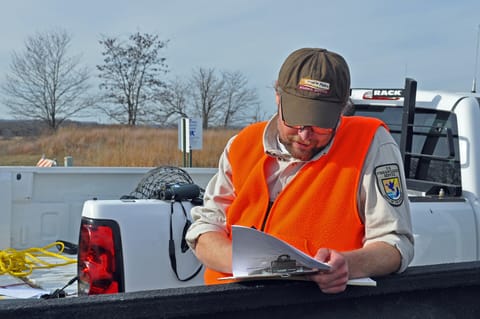
- GuideWhat Is Chronic Wasting Disease in Deer?Chronic wasting disease in deer: how the prion spreads, why a healthy-looking buck can test positive, where it's been found and what to do with your deer.
- GuideCan Chronic Wasting Disease Infect Humans?Can chronic wasting disease infect humans? No confirmed cases, says CDC. Here's what the 2024 two-hunter report, the NIH studies and the macaque work show.
- GuideHow Long Do CWD Prions Last in Soil?CDC and USGS describe CWD prions as highly persistent in the environment compared with many other pathogens. Here is what that means for prions in soil.
- GuideColorado Deer Archery Equipment RulesColorado's archery rules for deer are in the Big Game Brochure's legal methods chapter, which defines a hand-held bow. Here is the equipment you can use.
- GuideColorado Deer Hunting License Cost and RequirementsColorado deer hunting license cost for 2026: $51.25 resident, $506.92 nonresident combo, $12.76 habitat stamp, qualifying licenses and draw, leftover or OTC.
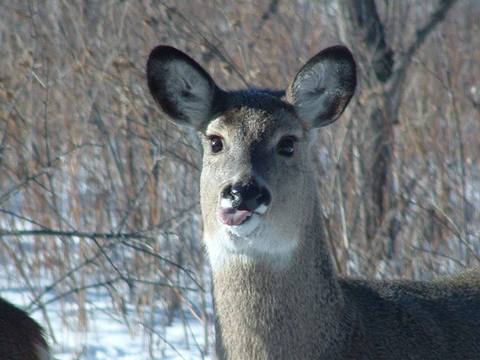
- GuideWhen Is Deer Season in Colorado in 2026?Colorado deer season 2026 from CPW: archery Sept. 2-30, muzzleloader Sept. 12-20, rifle seasons from Oct. 24, plains seasons, limited licenses and deer fees.
- GuideHow Biologists Measure Doe Pregnancy RatesA corpus luteum is the ovary scar left after ovulation. Here is how biologists count them in does and compare with fetus counts to measure productivity.
- GuideHow Biologists Measure Stress in Deer From DroppingsBlood draws stress deer, so biologists turned to feces. Here is how ACTH challenges showed fecal cortisol metabolites work as stress markers in whitetails.
- GuideDoes Trapping Coyotes Increase Fawn Survival?Coyote control isn't a guaranteed fawn switch. Here is what a Georgia experiment on two WMAs found when it tracked coyote numbers and fawn recruitment.
- GuideWhy Farmers Want Hunters to Shoot More DoesFarmers who watch crops vanish into deer support antlerless harvest because does drive herd growth. Here is the crop damage economics behind doe harvest.
- GuideDoes Culling Bucks Improve Antler Genetics?Texas research and genetic models show shooting cull bucks does not rewrite antler genetics in free-ranging deer the way hunters hope. Here is the evidence.
- GuideCan CWD Spread Through Deer Saliva and Antler Velvet?USGS says CWD spreads within and among cervid populations. Here is a look at what research on saliva and antler velvet shows about how deer shed prions.
- GuideDeadhead vs Shed Antlers: Possession Rules Hunters Mix UpNaturally dropped sheds and deadheads still on skulls can fall under different laws. Here is how Colorado's public-land shed closures and other rules differ.
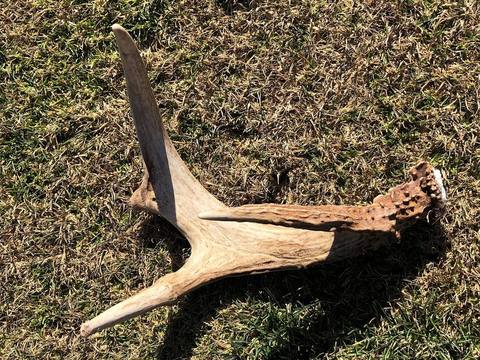
- GuideHow Long Does It Take a Buck to Shed Velvet?Velvet shedding is a short end stage of the antler cycle, not a multi-week peel you can schedule by the day. Here is what MSU and MU Extension explain.
- GuideDeer Research Findings Hunters Can Actually UseNational Deer Association research digests turn university and agency projects into numbers hunters can use. Here are cooperative findings worth knowing.
- GuideWhere Do Deer Bed? What GPS Collars Say About Deer BeddingDeer bedding, from GPS collars: one Mississippi buck used 87 bedding areas in one season. Where whitetails bed by sex and season, and how to find beds.
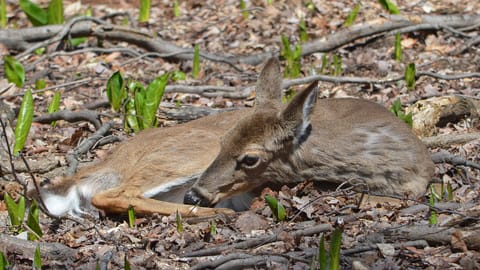
- GuideWhat's the Best Deer Bedding Grass, and How Do You Grow It?Deer bedding grass, by the USDA plant guides: switchgrass, big bluestem and Indiangrass, the seeding rates NRCS gives, and how to get cover without planting.
- GuideDeer Blow and Snort-Wheeze: What Alarm and Challenge Vocalizations MeanWhitetails blow when alarmed and may snort-wheeze to challenge other bucks. Here is what each vocalization means and why it will not call in every buck.
- GuideWhat Eats Dead Deer? Coyotes, Eagles and ScavengersEHD die-offs and winter kills leave carcasses that feed coyotes, eagles and other scavengers. Here is what Wisconsin DNR says about those deer carcasses.
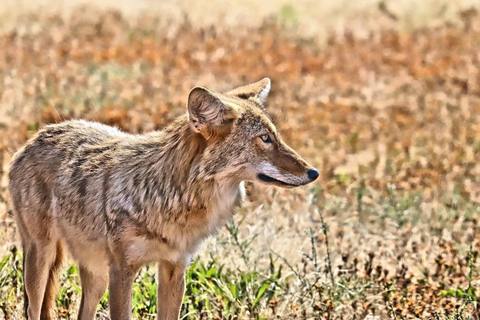
- GuideWhat Deer Check Stations Measure and WhyCheck-station data turns harvested deer into management numbers. Here is a look at what staff measure and what Alabama Extension says clubs should collect.
- GuideWhat Deer Disease Should You Worry About, and Can You Eat the Deer?Which deer disease is going around, and can you eat the deer? EHD, CWD, bovine TB, brain abscess and warts, plus what deer can pass to people, per agencies.
- GuideWhat Deer Disease Is in Ohio Right Now, and Where?Deer disease in Ohio for 2026: where EHD hit, which counties ODNR lists for CWD, the 2026-27 testing and bait rules in the DSA, and how to report a sick deer.
- GuideHow Well Do Deer Hear Compared to Humans?Deer don't hear "ten times better" in every way, but their hearing favors frequencies matter for survival. Here is what University of Georgia research found.
- GuideHearing Loss From Deer Hunting and How Suppressors HelpUnprotected rifle and shotgun shots exceed NIOSH and OSHA impulse noise limits. Here's why NIOSH recommends double hearing protection and where suppressors fit.
- GuideWhat Deer Hunting Scent Control Actually Works?Deer hunting scent control, judged on evidence: what a dog test found on carbon suits, what a federal court said, what EPA says on ozone, and why wind wins.
- GuideDoes a Deer Mineral Lick Actually Work?Does a deer mineral lick grow bigger antlers? The research says mostly no, but deer still pound them in spring. Here's why, and when deer use them the most.
- GuideDo Deer Movement Times by Zip Code Actually Work?Deer movement times by zip code come from 1930s solunar math, not deer data. What the charts compute, what GPS-collar studies found, and a better local read.
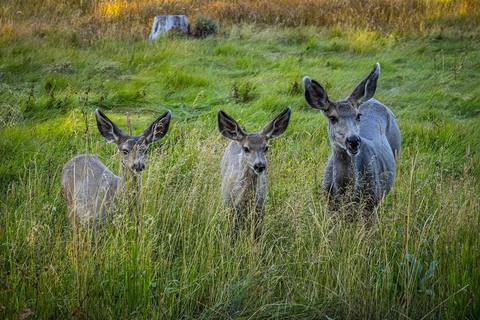
- GuideWhat Decides Deer Movement Today?Deer movement today comes down to light, the rut, pressure and a little weather. GPS-collar studies from Penn State, Auburn and MSU show how to read your day.
- GuideWhat Causes Scours in Fawns? Bacteria, Viruses and ParasitesFawn diarrhea involves bacteria, viruses and parasites that wildlife labs sort from fresh samples. Here is why hunters should report dead fawn clusters.
- GuideWhy Does a Buck Grow a Deformed Antler Every Year?The pedicle is the permanent base that grows each antler. Damage to it is the main cause of recurring one-sided antler deformities. Here is how it happens.
- GuideDo Deer Spread Invasive Plants on Your Property?MSU says deer treat landscapes like salad bars, and that foraging also moves invasive plant seeds around. Here is a look at how deer spread invasive plants.
- GuideDeer Senses: How Whitetails Hear, See and SmellDeer senses explained with the research: how high whitetails hear, what two-color vision means, whether they hear trail cams, and if scent control works.
- GuideWhich Tick Species Should Deer Hunters Know?Hunters should know the ticks tied to the diseases they face: lone star ticks for alpha-gal and blacklegged ticks for Lyme. Here is how to identify them.
- GuideWhat Are Deer Ticks? ID, Bites and Where They LiveDeer ticks ride on whitetails, but deer don't give you Lyme disease. Here's the tick life cycle, when adults peak in deer season, and how hunters stay clean.
- GuideCan Deer Ticks Give You Lyme Disease, and How Worried Should Hunters Be?Deer ticks and Lyme disease, explained for hunters: how long a tick has to bite, why deer don't carry Lyme, field-dressing risk, symptoms and what really works.
- GuideDo Bucks Travel Together?Do bucks travel together? Yes, in bachelor groups from late spring to early fall. Why bucks group up, why they split before the rut, and which ones leave.
- GuideDo Deer Drink Water?Do deer drink water? Texas Parks and Wildlife puts intake at 3 to 6 quarts a day, more in summer. How deer use ponds, plants and troughs, and why it matters.
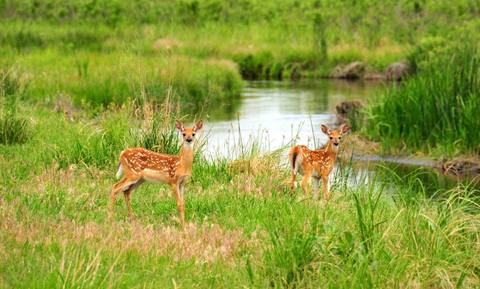
- GuideDo Deer Eat Apples?Do deer eat apples? Yes. Extension and agency sources list apples as a fall soft-mast food. Here's why deer want them, what they provide and where it's illegal.
- GuideDo Deer Eat Hay?Do deer eat hay? They will, but in winter it can kill them. Why a deer's gut can't switch to hay or corn fast, and what wildlife agencies say to do instead.
- GuideDo Deer Eat Meat?Do deer eat meat? Sometimes. Cameras have caught whitetails eating nestlings, quail eggs and even a human rib at a Texas body farm. Here's why, per biologists.
- GuideDo Deer Eat Winter Rye?Do deer eat winter rye? Yes. Cereal rye is a highly preferred cool-season grain for deer, but it's not ryegrass, and it loses appeal as it matures. Details here.
- GuideDo Deer Like Bananas?Do deer like bananas? Deer sample almost anything, but no agency recommends feeding them fruit. The rumen biology, the acidosis risk and the legal catch.
- GuideDo Deer Like Persimmons?Do deer like persimmons? Yes. Ripe American persimmons are sweet, drop in fall and can hang into winter. Here's when they ripen and how to find producing trees.
- GuideDo Deer Move in the Rain?Do deer move in the rain? GPS-collar studies say does barely notice, bucks slow down, and wind changes the math. Here's what that means for your sit.
- GuideDo Deer Whistles Work?Do deer whistles work? A University of Georgia road test played whistle-range tones at 319 deer and changed nothing. Here's the data and what cuts crashes.
- GuideHow Long Is a Doe in Heat, and When Does She Recycle?Rut timing gets clearer once you separate a doe's short receptive window from a buck's long search. Here is what New Jersey says about estrus and recycling.
- GuideHow Doe Family Groups Affect Where You Should HuntWhitetail does often live in related groups of mothers, daughters and sisters, called matrilines. Here is how that shapes where deer bed and how to hunt them.
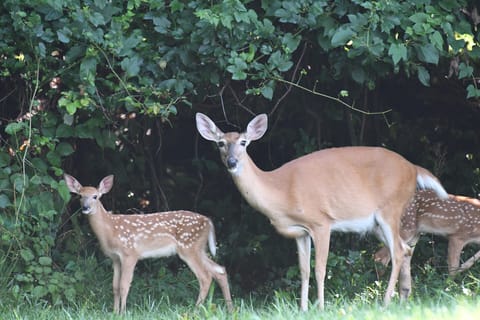
- GuideDo Does Stay in the Same Area Year After Year?Adult does are among most site-faithful large mammals. A Forest Service and University of Georgia study tracked 148 of them. Here is what it means for stands.
- GuideWhat Causes Double Beamed Antlers on Whitetails?Double-beamed antlers, a second main beam beside the first, count as abnormal or nontypical in antler science. Here is what causes them in whitetails.
- GuideShould You Cull Bucks With Drop Tines and Kickers?Drop tines and kickers look like genetic trophies, but many one-sided points come from injuries, and culling rarely changes herd genetics. Here's the reality.
- GuideWhat Causes Drop Tines on Deer? Biology vs MythDrop tines are abnormal points that grow downward from a beam or tine instead of rising. Here is what MSU and MU Extension say causes them, and the myths.
- GuideDallas Safari Club Convention: Deer Management TakeawaysDallas Safari Club's convention is a conservation fundraiser and hunting industry expo. Here are the deer management takeaways hunters can bring home.
- GuideEHD Serotypes in Deer: Why Blue Tongue Is More Than One VirusHunters call late-summer die-offs "blue tongue," but agencies split hemorrhagic disease into EHD and bluetongue viruses. Here is how the serotypes differ.
- GuideCan X-Rays of Growth Plates Tell a Deer's Age?Bone growth stops when growth plates ossify. Here is a look at what a study of captive whitetails found about using epiphyseal closure on X-rays to age deer.
- GuideEstrous Doe Bleats and Decoys: When They Help or HurtEstrous doe bleats are easy to overuse and hard to judge. Here is the modest claim calling articles agree on, and when sound and decoys help or hurt your hunt.
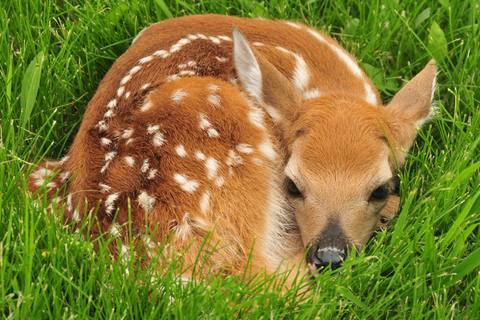
- GuideWhen Do Fawns Lose Their Spots? Molt Timing ExplainedFawns lose their spots during the first molt into winter hair, usually around three to four months old, shifted by birth date. Here is what hunters misread.
- GuideDoes Doe Nutrition Change the Sex of Her Fawns?Trivers-Willard theory says well-fed mothers favor sons and poor-condition mothers favor daughters, but whitetail tests don't always fit. Here is the evidence.
- GuideWhat Years of Tilling Do to Food Plot SoilYears of disking one deer plot leave a biological debt in the soil. Here is a look at what Mississippi State says about soil biology after long-term tillage.
- GuideWhitetail Gestation Length: How to Back-Date ConceptionWhitetail gestation is a bit under seven months, usually cited as 190 to 210 days and often rounded to 200. Here's how to back-date conception from fawn births.
- GuideWhat Hearing Protection NRR Means for Rifle HuntersThe number on hearing protection is an EPA Noise Reduction Rating, not a promise of how loud your rifle will sound. Here is how to read NRR as a deer hunter.
- GuideHow Do Deer Shed Their Antlers?How do deer shed their antlers? Falling testosterone sets cells loose on the bone at the base, and the antler drops. Timing by region and why bucks drop early.
- GuideHow Do Deer Sleep?How do deer sleep? In bouts of 30 seconds to a few minutes, often with eyes open and ears up. What GPS collars show about when and where whitetails rest.
- GuideHow Do You Deer Hunt?How do you deer hunt if nobody taught you? The beginner's order of operations: hunter ed, license and tag, scouting, the sit, the shot, tracking and cooling.
- GuideHow Does Tactacam Reveal Work?Tactacam REVEAL is a cellular trail camera: a motion sensor wakes it, it captures a photo or video and a cellular modem sends the file. Here is how it works.
- GuideHow Long Can a Deer Hang?How long can a deer hang? It depends on the thermometer. Extension numbers for 40°F, a week of aging at 34–37°F, hide on or off, and when to skip hanging.
- GuideHow Much Does a Deer Weigh?How much does a deer weigh? State agency numbers for bucks, does and fawns by region, a field-dressed to live weight chart, and the truth about the 402-pound buck.
- GuideHow Do You Age a Deer by Its Teeth?How to age a deer by its teeth: count the jaw teeth for fawns and yearlings, read the wear for adults, and why tooth-wear ages past 2.5 years are often wrong.
- GuideHow to Read a State Deer Harvest ReportState deer harvest reports come from telecheck or registration and sometimes check stations or surveys. Here is how to read the year, geography and numbers.
- GuideHow Do You Read Deer Sign?How to read deer sign: rubs and scrapes are signposts, rub lines show travel, and about 85% of scrape visits happen at night. What it means for your stand.
- GuideHow to Score a Deer at Home Using Boone and CrockettHow to score a deer at home: the tape you need, the order of the Boone and Crockett measurements, what counts as a point, and how to add up gross and net.
- GuideHow to Avoid Hypothermia on All-Day Deer SitsAll-day deer sits create hypothermia risk when cold, wind, wet clothes and stillness stack up, and it spikes after a treestand fall. Here is how to stay safe.
- GuideWhitetail vs Mule Deer Hybrids: How to Identify ThemWhitetail-mule deer hybrids exist but are rare. Here is what Wyoming Game and Fish and the Mule Deer Working Group say about telling them apart in the field.
- GuideInterdigital Glands: How Deer Leave Scent in Their TracksGlands between a deer's toes leave chemical traces with every step. Here is what interdigital gland scent does and how deer use it on trails and at scrapes.
- GuideIs Shed Hunting Legal?Is shed hunting legal where you are? Rules for private land, national parks and refuges, plus the Utah, Wyoming, Colorado, Nevada and Montana winter closures.
- GuideAre Jackalopes Real? The Antlers Behind the MythThe jackalope, a rabbit with antlers, is Western taxidermy folklore. Here are the real non-typical antlers behind the myth and why they look so unbelievable.
- GuideWhy Late-Summer Browse Matters for Nursing DoesLactation is the biggest protein cost in a doe's year: MU Extension lists 14 to 22 percent dietary protein while nursing. Here's why late-summer browse matters.
- GuideLungworms in Deer: Coughing and Poor ConditionHeavy lungworm loads can add to coughing and poor condition in deer, especially under stress. Here is what lungworms do and when to report a sick deer.
- GuideHow Do You Recover a Liver Shot Deer?Liver shot deer? Expect dark blood, a hunched exit and a long wait. Here's what a state agency and NDA writers say about wait times, survival and tracking.
- GuideHow Far Does a Lung Shot Deer Run, and When Do You Track It?Lung shot deer usually die fast and close, but not always. Here's the blood to look for, how far they run, how long to wait, and what a single lung changes.
- GuideMachine Learning for Trail Cam Photos: Sorting Deer by AgeMachine-learning taggers sort trail-cam photos into deer, empty or human and sometimes age-sex groups. Here is how they speed up buck-doe surveys for clubs.
- GuideHow Rare Is a Melanistic (Black) Whitetail Deer?A melanistic whitetail has unusually dark brown to black hair from excess melanin. Here is how rare it is, according to NDA, and what hunters should know.
- GuideWhy Is Venison So Dark? Myoglobin ExplainedVenison's dark color comes from myoglobin chemistry, not leftover blood. Here is what the American Meat Science Association explains about meat color.
- GuideNational Deer Association: Events, Research and MembershipThe National Deer Association succeeded QDMA as the membership and education home for hunters and managers. Here are its events, research talks and membership.
- GuideFound a Fawn Alone? Why It Usually Isn't AbandonedA lone bedded fawn is usually running an antipredator program, not waiting for rescue. Here is what University of Georgia's Deer Lab says about newborn fawns.
- GuideNet Versus Gross Antler Score: What Each Number MeansBoone and Crockett and Pope and Young rank trophies by net score, with gross listed only for information. Here is what each number means and how it's figured.
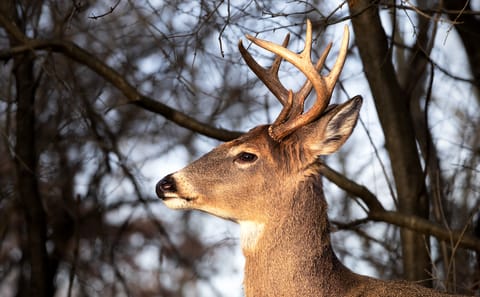
- GuideWhat Is a Non Typical Deer?Non typical deer explained: what counts as an abnormal point under Boone and Crockett and Pope and Young, how common they are, and the world-record bucks.
- GuideHunting Persimmon Trees: When Deer Hit the FruitPersimmon trees create short, intense soft-mast windows that can outdraw nearby timber when fruit softens and drops. Here is how to time stands on persimmons.
- GuideDoes Day Length Trigger the Deer Rut?The deer rut is timed by day length, not cold fronts alone. Here is what Mississippi State's deer lab says about photoperiod and the breeding calendar.
- GuideWhen Do Whitetails Change Coats, and Why?Whitetails swap coats on a light calendar more than a thermometer. Here is what Maryland DNR says about their two coats and how day length times the change.
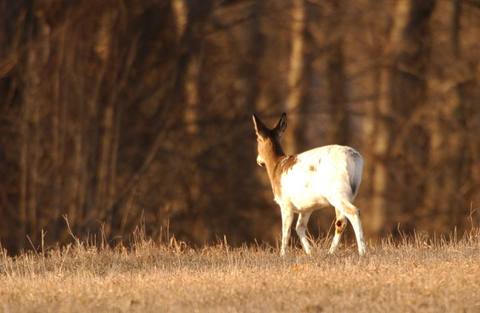
- GuidePiebald Whitetail Deer: Genetics, Legality, and Hunter EthicsA piebald whitetail isn't diseased and isn't a true albino. Here is what Maryland DNR says about the genetics, legality and ethics of hunting piebald deer.
- GuideHow the Pittman-Robertson Act Funds Deer ManagementThe Pittman-Robertson Act of 1937 built the funding behind state deer management, with excise taxes on guns and ammo. Here is how it rebuilt deer herds.
- GuideCounting Predator Tracks on Dirt Roads After RainWalking the same muddy roads after rain and tallying predator and deer tracks gives a crude index, not a census. Here is how to run soft-dirt track circuits.
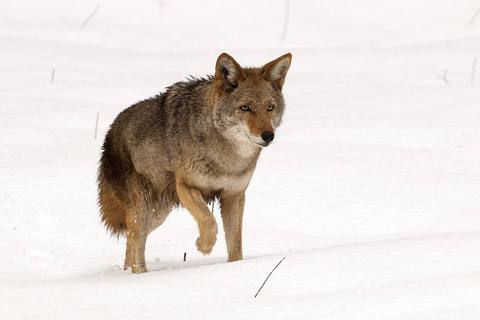
- GuideCoyotes, Bears and Fawn Survival: What Studies ShowPeer-reviewed neonate studies show coyotes can dominate fawn mortality in parts of the Southeast; recruitment drops show up later in antlerless planning.
- GuideWhy Deer Rub Their Preorbital Glands and ForeheadsDeer rub preorbital glands near the eyes and forehead skin on twigs, leaving scent for social recognition and marking. Here is how forehead marking works.
- GuideHow Do You Pressure Can Deer Meat?How to pressure can deer meat the tested way: 75 minutes for pints, 90 for quarts, the right pressure for your altitude and gauge, hot or raw pack, and safety.
- GuideHow Much Protein Do Deer Need by Season?University of Missouri Extension publication G9487 lists whitetail protein needs by age and physiological state. Here are the seasonal benchmarks to use.
- GuideHow Does Public Land Deer Hunting in Missouri Work?Public land deer hunting in Missouri for 2026-27: which conservation areas allow deer, managed hunt draw odds, MRAP walk-in land and stand rules that differ.
- GuideHow Does Public Land Deer Hunting Work in Texas?Public land deer hunting in Texas, 2026-27: the $48 APH permit, drawn hunts, on-site registration, Forest Service units and how little of Texas is public.
- GuideManaging Deer Age Structure on Small PropertiesMSU notes deer home ranges usually exceed private ownerships, so one small tract has limited impact. Here is how to set realistic age structure goals.
- GuideWhy Sudden Feed Changes Can Kill DeerA deer's rumen is a fermentation vat. Here is a look at why a sudden switch from high-fiber browse to corn or other starch can kill wild and captive deer.
- GuideScavengers and CWD Prion Movement Across the LandscapeUSGS work shows scavengers can shed detectable CWD prions in feces while environmental persistence drives long epidemics.
- GuideHow Testosterone Times a Mature Buck's Antler CycleFor mature bucks, antler calendars are testosterone calendars. Here is what the Pennsylvania Game Commission says about seasonal testosterone and velvet.
- GuideSitka Blacktail Hunting in Alaska for Whitetail HuntersSitka black-tailed deer live in Southeast Alaska, Prince William Sound and Kodiak. Here is how ADF&G harvest tickets and rules work for whitetail hunters.
- GuideAre Spike Bucks Bad Genetics? What Studies FoundThe spike-as-genetic-trash myth falls apart under controlled research. Here is what Comanche Ranch and other Texas studies covered by NDA actually found.
- GuideSpotlight Deer Surveys: What They Can and Can't Tell YouSpotlight surveys on fixed routes can show year-to-year deer trends when standardized, but they aren't censuses. Here is how to run them for trend data.
- GuideHow Backyard Feeding Changes Suburban Deer HuntingHandouts, birdseed and backyard feeding condition deer to daylight yards and short flight distances. Here is how food conditioning shapes suburban hunts.
- GuideDoes Feeding Deer Spread CWD and Other Diseases?Feeding and baiting pull deer into tight spacing where saliva, urine, feces and feed share pathogens. Here is what Wisconsin DNR says about disease risk.
- GuideWhat Does a Deer's Tarsal Gland Do During the Rut?Tarsal glands sit inside a deer's hind legs, and in the rut bucks rub-urinate over them. Here is how tarsal chemistry works at scrapes and in deer signals.
- GuideHow to Track and Recover a Deer After the ShotTracking and recovery after the shot: how long to wait on a gut or liver hit, signs of a paunch shot, working the trail, and dog-tracking and retrieval laws.
- GuideTreestand Falls: Injury Stats and What Harnesses DoTreestand falls are a leading cause of serious deer-hunting injury; New York's 2024 summary logged 11 elevated incidents. Here is what harness science shows.
- GuideHow Often Do Does Have Twins or Triplets?In good habitat, healthy adult does commonly carry twins and some carry triplets. Here are the fawn productivity metrics managers use, per the NDA's reporting.
- GuideWhat to Expect at an Extension Deer Day Field WorkshopUniversity extension deer days teach browse audits, aging on the hoof and food-plot agronomy. Here is what to expect at an extension deer field workshop.
- GuideHow Urban Deer Change Their Behavior After DarkMSU says deer are mostly night-active but can shift to daytime activity in suburbs. Here is how urban deer adjust their behavior around people after dark.
- GuideWhy Velvet Antlers Are Easily Injured in SummerSummer bucks grow antlers wrapped in velvet with a rich blood supply and sensitive tissue. Here is a look at why velvet antlers are fragile and easily injured.
- GuideHow Do You Make Venison Jerky Safely?Venison jerky is only as safe as its 160°F step. Dehydrator vs. oven, the trichinella freeze, how long it keeps, and why many states ban selling deer jerky.
- GuideWhich Venison Recipes Work Best for Each Cut?Venison recipes that work start with the cut: backstrap hot and fast, shanks low and slow. Safe temps, the soak question and agency recipes worth cooking.
- GuideIs Venison Good for Stew?Venison stew is where shoulders, necks and shanks earn their keep. Which cuts to use, how long to simmer, slow-cooker safety and two agency recipes to try.
- GuideHow Well Do Deer See? What Eye Studies Show HuntersBehavior tests show deer are motion detectors more than detail readers. Here is what eye studies on adult does found about deer visual acuity for hunters.
- GuideWhat Do Deer Eat in the Wild?What wild deer eat, from extension research: browse, forbs, acorns and other mast, fungi and crops, how the menu shifts by season, how much they eat, and water.
- GuideWhat Is Hunting Pressure, and How Do Deer React to It?What is hunting pressure? Penn State GPS-collar research on how deer react to hunters: less movement, smaller ranges and safe zones, not a switch to nocturnal.
- GuideWhere Do Deer Go When It Snows?Where do deer go when it snows? Agency and extension guidance on deer wintering areas: the snow depths that trigger yarding, the cover they seek and why.
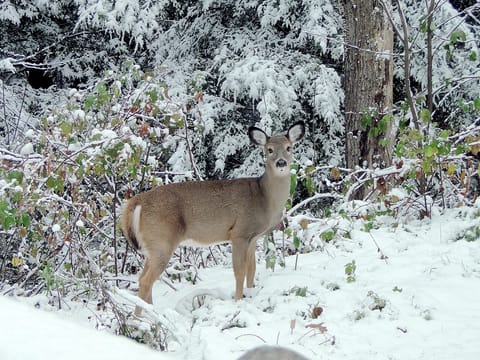
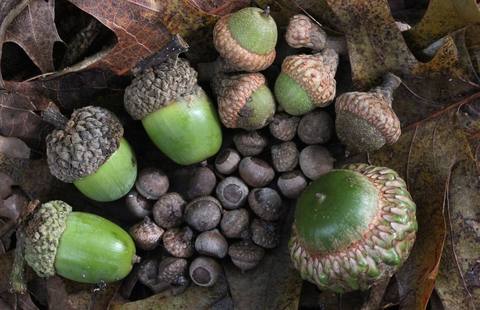
- GuideWhite Oak Acorns vs Red Oak Acorns: Which Do Deer Prefer?White oak acorns vs red oak acorns: deer pick white oaks first, but red oaks feed them all winter. Here's how to tell them apart and when to hunt each.
- GuideWhy Do Whitetail Deer Act the Way They Do?Why whitetail deer act the way they do: why they snort and run, pant and chew cud, why does stay in family groups, why bucks fight, and how pressure moves them.
- GuideWhitetail Subspecies Map: What It Means for HuntersWhitetails share one species name, Odocoileus virginianus, plus dozens of regional subspecies labels. Here is what a subspecies map means for hunters.
- GuideWhen Do Deer Put On Fat? Fall Body Condition ExplainedAutumn is when whitetails bank energy for winter. Here is what Southeastern Cooperative Wildlife Disease Study work on kidney fat says about body condition.
- GuideHow Big Is a Whitetail's Home Range? GPS Collar FindingsHunters talk as if every buck owns a fixed 640-acre box. Here is what GPS collar studies show about whitetail home range size by sex, season and habitat.
- GuideHow a Deer's Rumen Microbes Change With the SeasonsWhitetails rely on rumen and gut bacteria to digest cellulose, and those microbes track the diet. Here is what a Midwest study found across seasonal diets.
- GuideHow Do Deer See in Low Light? The Tapetum LucidumEye shine is a reflector at work. Here is a look at what the Pennsylvania Game Commission says about the tapetum lucidum and how deer see in low light.
- GuideWhy Do Deer Eat Snakes?Deer are ruminant herbivores, but they sometimes eat animal matter, including documented cases of whitetails eating snakes. Here is why deer sometimes do it.
- GuideWhy Do Deer Freeze in Headlights?Why deer freeze in headlights: eyes built for low light, trouble judging an oncoming car, and a USDA light bar that cut risky reactions from 35% to 10%.
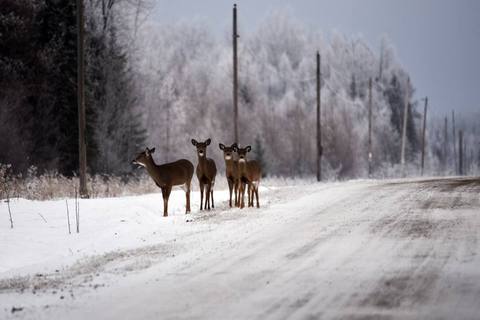
- GuideWhy Do Deer Run in Front of Cars?Why do deer run in front of cars? Crashes peak at dawn, dusk and in November's rut. Federal and insurance data show when and where, plus what to do if one is there.
- GuideWhy Some Bucks Stay in Velvet Into FallMost healthy bucks shed velvet in late summer so hard antlers are ready for the rut, but a few stay in velvet into fall. Here is the hormone story behind it.
- GuideDeer Winterkill: Signs of Starvation vs DiseaseWinterkill is energy failure written on the carcass. Here is a look at what Michigan DNR says about starvation signs, from empty fat depots to bone marrow.
- GuideWolf and Whitetail Overlap: What Northern Hunters Should ExpectGray wolves and whitetails share northern Minnesota and Wisconsin forests, and hunter frustration often outruns the evidence. Here is what hunters can expect.
- GuideWhy Do Yearling Bucks Leave Home? Buck Dispersal ExplainedMany yearling bucks don't grow up where they were born; telemetry shows many leave and settle miles away. Here is why young bucks disperse and what it means.


Stories
- Trophy RoomAntler Fraud Cases and Club Enforcement NotesBoone and Crockett says trophy entries are subject to verification and forbids altering score charts. Here is how fraud can get an entry refused at any score.
- ControversyAre CWD Restrictions Necessary, or Have Some Gone Too Far?CWD restrictions cost hunters time, bait and the right to haul a deer home. Do they slow chronic wasting disease? Both sides, and what research can prove.
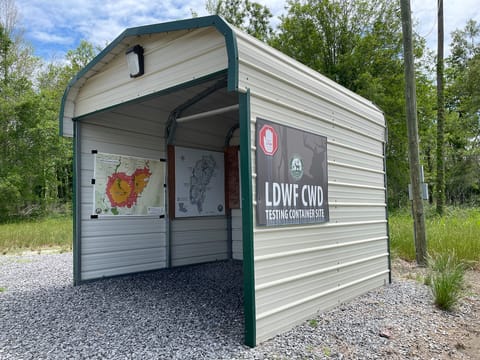
- ControversyAre Coyotes Really Hurting Deer Populations?Do coyotes kill deer? Mostly fawns, and in parts of the Southeast a lot of them. What the trapping studies, state agencies and decades of harvest data say.
- Trophy RoomHow Are Deer Scored?How are deer scored? Here's how Boone and Crockett, Pope and Young and Buckmasters (BTR) measure a rack, what gets deducted and why the numbers differ.
- Trophy RoomMain Beam Length Tape Paths on Curved AntlersBoone and Crockett measures main beam length from the burr's lowest outside edge along the outer side to the beam's most distant point. Here is the tape path.
- Creator DeskThe Moon's Affect on Buck Movement - Analyzing 1 Million Data PointsDEER IQ's episode with Dr. Bronson Strickland tests moon-phase lore against GPS-collar data from Mississippi State's Lunar Legends study. Here is what it found.
- ControversyQDM vs Maximum Opportunity: Which Herd Goal Serves More Hunters?Agencies and clubs choose between maximum hunting opportunity and Quality Deer Management. Here is what each herd goal gives hunters and which serves more.
- Trophy RoomShed Antler Pairing Rules for Official EntriesOfficial record programs treat matched shed antlers differently from skull-plate trophies, with strict pairing and measuring rules. Here is what to know first.
- ControversyShould States Require Hunters to Let Young Bucks Walk?Should states require hunters to let young bucks walk? What Pennsylvania's antler point restrictions did to buck survival, harvest and hunter support.