Accelerometer-equipped collars classify feeding, bedding, and locomotion from motion signatures, enriching GPS paths across ranges that exceed typical ownerships (MSU Extension Wildlife Habitat). Algorithms need validation against observed behaviors; clubs should treat behavior maps as research products, not trail-cam replacements (MSU Extension Wildlife Habitat; MSU Extension White-tailed Deer Farmers Series).
Key Takeaways
- Accel sensors classify behaviors (MSU Extension Wildlife Habitat)
- Validation against observation required (MSU Extension Wildlife Habitat)
- Ranges cross fences (MSU Extension Wildlife Habitat)
- Permitted research only (Wisconsin DNR EHD)
- Browse audits still needed (MSU Extension White-tailed Deer Farmers Series)
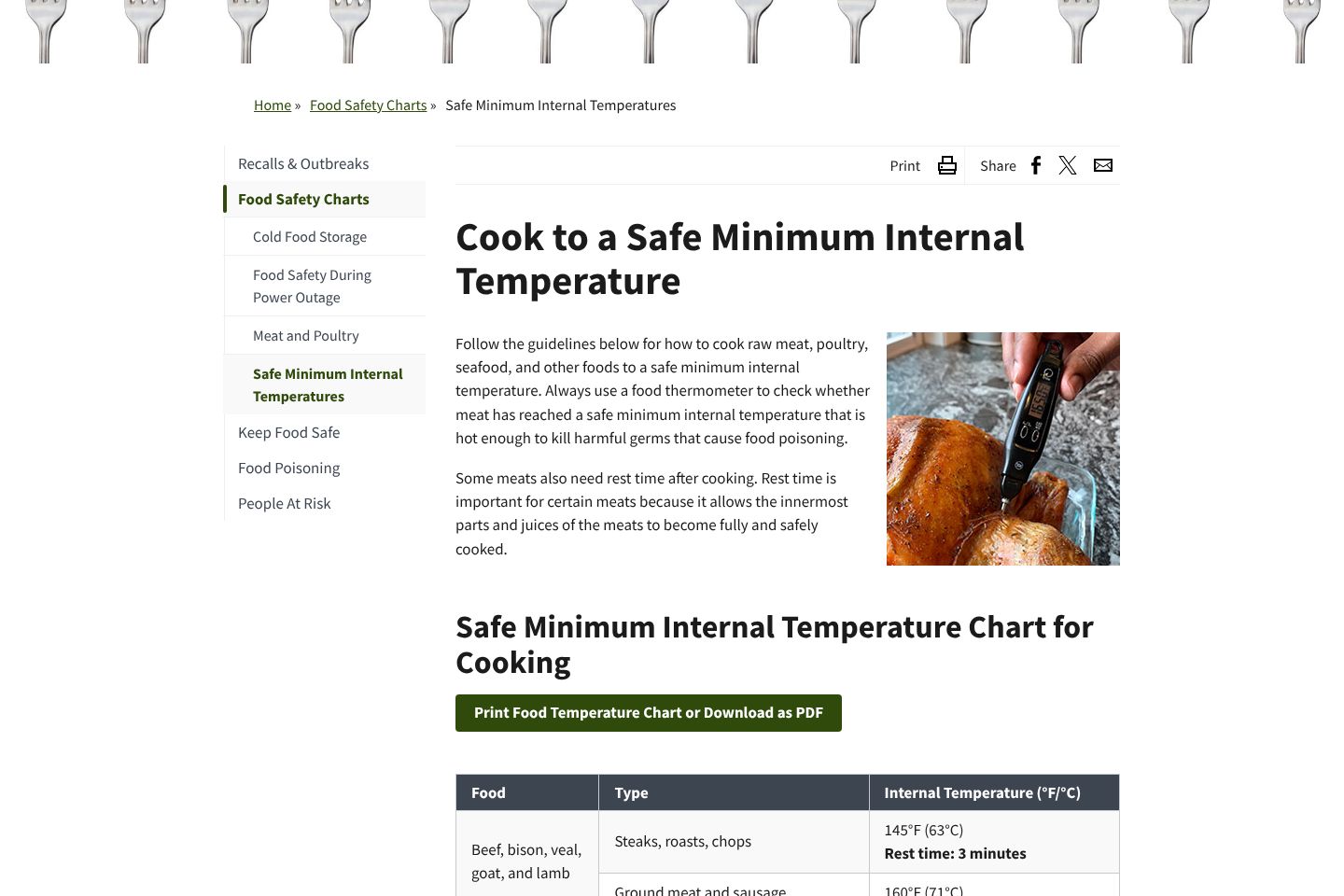
- Cook harvested deer to 160F (FoodSafety.gov)
Behavior libraries
Feeding vs walking signatures differ by collar placement (MSU Extension Wildlife Habitat).
False beds
Ruminating while standing can confuse naive models (MSU Extension Wildlife Habitat).
Management use
Identify nocturnal feeding shifts in suburbs (MSU Extension White-tailed Deer Farmers Series).
Ethics
Capture risks include myopathy (Wisconsin DNR EHD).
Data volume
High-frequency accel drains batteries like GPS (MSU Extension Wildlife Habitat).
Humility
Models assist; mud boots decide (MSU Extension White-tailed Deer Farmers Series).
Bottom line
Treat accelerometer collar behavior classes as validated research aids under MSU’s landscape-scale deer reality - not as plug-and-play hunt apps (MSU Extension Wildlife Habitat).
The other side of it
Nothing here comes from an actual collar study. It’s general extension material, and a hunter could fairly say a well-placed trail camera already shows feeding and bedding for the deer he cares about without capture risk, dead batteries or a model that mistakes a standing, cud-chewing deer for a bedded one. Still, somebody at camp will hear “accelerometer” and start asking where he can buy one for the buck behind the barn.
Keep reading
Latest deer news
Comments