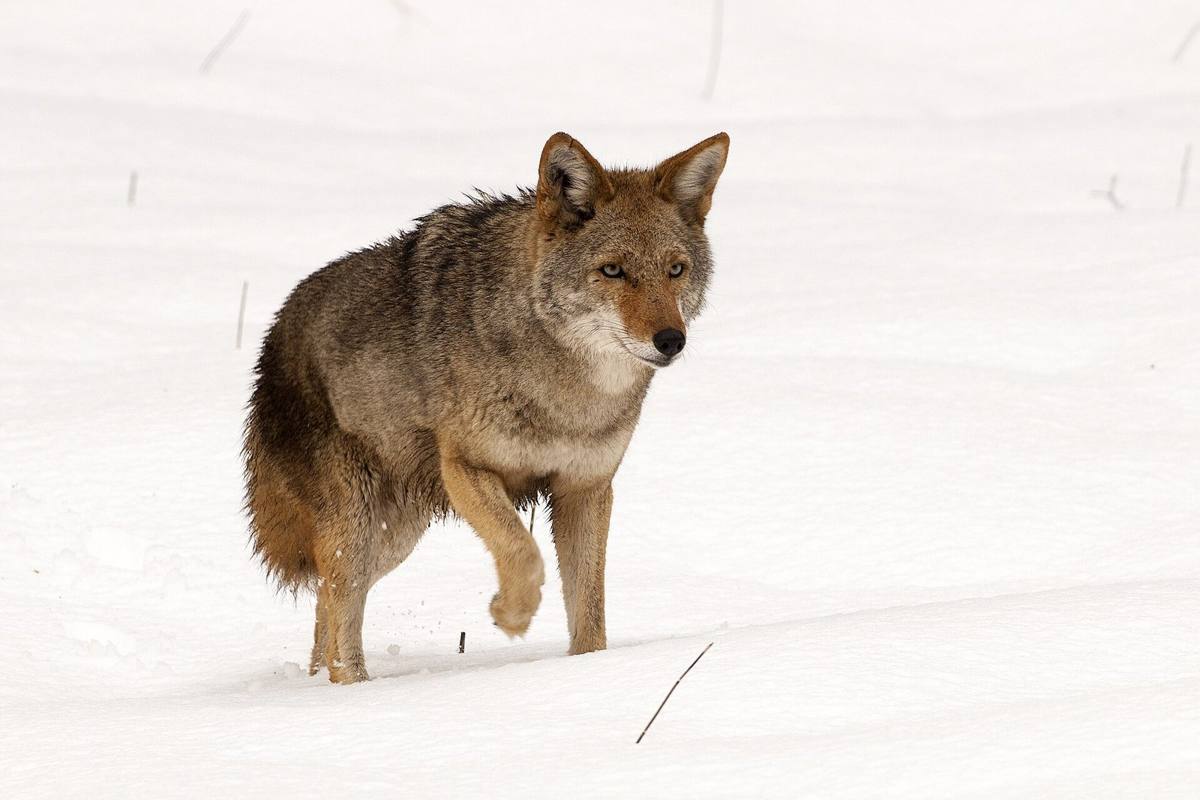
Soft-dirt track circuits - walking the same muddy roads after rains and tallying predator versus deer sign - give a crude index, not a census, in the spirit of MSU’s call for thinking beyond trophy-only metrics (MSU Extension Wildlife Habitat). Pair indices with fawn recruitment notes from cameras and harvest age data (MSU Extension Wildlife Habitat).
Key Takeaways
- Track circuits are indices not censuses (MSU Extension Wildlife Habitat)
- Standardize routes and weather windows (MSU Extension Wildlife Habitat)
- Pair with camera fawn ratios (MSU Extension Wildlife Habitat)
- Deer density still set by forage/harvest (MSU Extension Carrying Capacity)
- Overabundance ecology still matters (MSU Extension Wildlife Habitat)
- Follow trapping/hunting laws (MSU Extension Wildlife Habitat)
Route design
Use permanent loops after soft rains (MSU Extension Wildlife Habitat).
What to tally
Canid, bobcat, and deer tracks separately (MSU Extension Wildlife Habitat).
Bias
Roads over-detect some predators (MSU Extension Wildlife Habitat).
Fawn focus
Late-summer camera fawn-per-doe checks recruitment (MSU Extension Wildlife Habitat).
Do not scapegoat
High deer density plus poor cover also sinks fawns (MSU Extension Wildlife Habitat).
Browse still
Predators do not erase a browse-line problem (MSU Extension White-tailed Deer Farmers Series).
Bottom line
Run soft-dirt predator track indices as cautious club data beside MSU-style habitat and harvest metrics (MSU Extension Wildlife Habitat).
The other side of it
There’s very little here to show a road track count tells a club anything it can act on. The article admits roads over-detect some predators and that the number is an index rather than a census, and its only source is a general MSU call to look past trophy metrics. Still, it beats the camp theory that every missing fawn was eaten by the one coyote somebody saw crossing the road.
Keep reading
Latest deer news
Comments