Age a free-ranging buck with body conformation first and antlers last. National Deer Association, MU Extension, Mississippi State Extension, and University of Tennessee wildlife faculty all warn that antler size alone misleads because genetics, nutrition, injury, and disease scramble points relative to age (NDA aging on the hoof; MU Extension G9485; MSU Hunter’s Guide; UTIA / Harper PDF).
Key Takeaways
- Identify yearlings first: long legs, thin neck, slim torso, often ear-width or narrower spreads (NDA aging on the hoof; MU Extension G9485).
- Average antler potential is roughly 25% at 1.5 years and near 95% by 5.5, but individuals break those averages (MU Extension G9485).
- Middle ages are hardest; separate young, middle, and mature instead of forcing a single birthday (UTIA / Harper PDF).
- Season and region change the picture: early-season bucks are not fully muscled; late-season bucks can look a class younger after rut weight loss (MU Extension G9485).
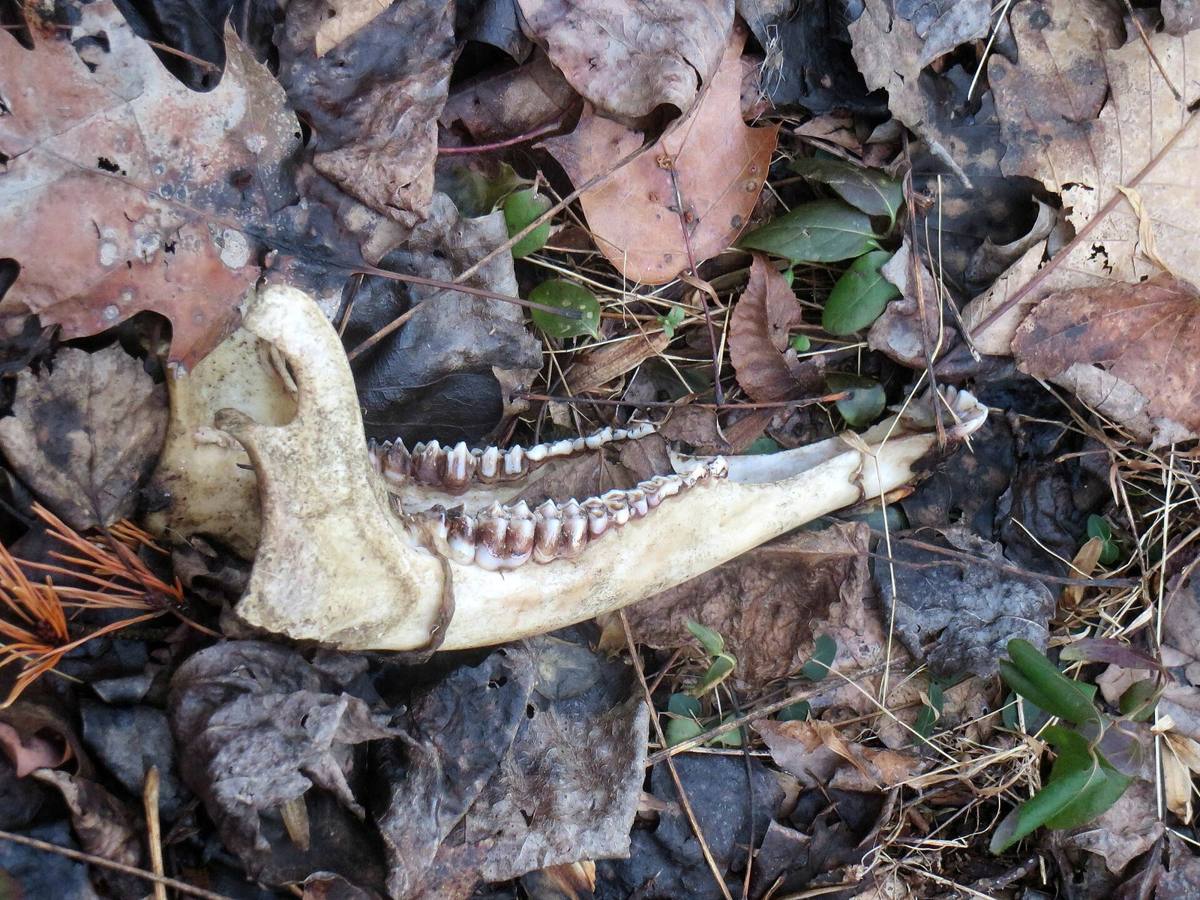
- Confirm with jaw wear after harvest (MU Extension G9485).
Why antlers lie
MU Extension shows dramatic antler variation among yearlings even while body cues stay consistent (MU Extension G9485). NDA recommends estimating age from body traits for your region and season, then using antlers only as a tie-breaker (NDA aging on the hoof). Tennessee faculty explain the management cost of antler-only rules: point or spread minima often protect small-antlered older bucks while exposing large-antlered young bucks, so progressive QDM shifts toward age-based harvest (UTIA / Harper PDF). Mississippi State notes antler criteria can shield many yearlings yet still fail selective harvest without body-aging skill (MSU Hunter’s Guide). In short, antlers are a poor primary age meter even when they are a useful secondary check.
Yearling (1.5)
Expect long legs relative to a slim torso, thin neck, taut belly, and an overall lanky “doe with antlers” frame (NDA aging on the hoof; MU Extension G9485; UTIA / Harper PDF). Inside spread is often less than ear tip-to-tip when ears are alert (NDA aging on the hoof). High-nutrition yearlings can carry surprising antler mass, but the leggy body still reads young (NDA aging on the hoof). This is the first QDM skill because most programs want these bucks walked (NDA aging on the hoof).
2.5 years
Still relatively long-legged with a taut back and belly, but neck and body are fuller than a yearling (UTIA / Harper PDF). The face can still look long beside a developing neck. Antlers average larger than yearlings, yet body cues remain the safer tell (MU Extension G9485). Hunters who only glance at racks routinely promote this class to “mature” and shoot the wrong deer.
3.5 years
Chest depth catches up; the brisket starts to look as deep as or deeper than the rump, the neck fills, and the waist stays relatively tight (UTIA / Harper PDF; NDA aging on the hoof). This is often the first age class that “looks like a buck” to casual observers. It is also where hunters over-age big-antlered individuals and under-age heavy-bodied late bloomers. When uncertain, call it middle-aged and apply your property rule for that bin rather than inventing false precision (UTIA / Harper PDF).
4.5 years
Legs no longer look long because the torso is fully muscled; the neck is thick and the chest is deep without a heavy sag (UTIA / Harper PDF). Many QDM programs treat a sound 4.5 as a prime target because most hunters would be happy with that animal if they saw it clearly (UTIA / Harper PDF). Body mass now carries more weight in the decision than a few extra inches of antler.
5.5 and older
Look for blocky mass, a neck that blends into shoulders during the rut, and often a sagging belly or back line (MU Extension G9485; NDA aging on the hoof; UTIA / Harper PDF). MU Extension notes antlers average near 95% of max by 5.5 and about 100% by 6.5, then may decline or grow more asymmetric (MU Extension G9485). Very old bucks can lose body mass and look younger - another reason antlers alone fail (MU Extension G9485).
Field process that holds up
- Ignore antlers for the first look (NDA aging on the hoof).
- Score legs-to-body ratio, neck-to-shoulder merge, chest depth, and belly/back line (UTIA / Harper PDF).
- Adjust for month: pre-rut fill versus post-rut shrink (MU Extension G9485).
- Adjust for region: a mature Florida buck will not mirror an Iowa frame (MU Extension G9485).
- Use antlers only to break a tie, then verify age on the jaw after harvest (MU Extension G9485).
Practice loop that improves accuracy
Trail-camera grids are the off-season classroom. Sort bucks into young, middle, and mature bins using body cues only, then revisit the same bucks across months to see how necks and bellies change (NDA aging on the hoof; MU Extension G9485). After any harvest, age the jaw and compare to your live call - that feedback is how extension authors expect hunters to calibrate (MU Extension G9485). Clubs that skip the jaw check keep repeating the same antler-biased mistakes Harper describes when antler rules silently high-grade young bucks (UTIA / Harper PDF). Southeast hunters can also lean on Mississippi State’s illustrated aging and judging guide for regional body proportions under typical southern nutrition (MSU Hunter’s Guide).
Bottom line
On-the-hoof aging is a body skill, not an antler contest (NDA aging on the hoof; MU Extension G9485). Master yearlings, then separate middle from mature, and let jawbones grade your homework.
Related: how biologists age deer with jawbones and bucks losing weight in the rut.
The other side of it
Body aging has its own error bars, and this piece admits plenty of them. Early-season bucks aren’t filled out, rut-worn bucks look a class younger, and very old bucks can shrink. A hunter who gets a few seconds of a buck through brush may find the rack is the only thing he can judge at all. And every camp has that one guy who can age a buck from a single blurry trail-cam frame but never checks a jawbone.
Keep reading
Latest deer news
Comments