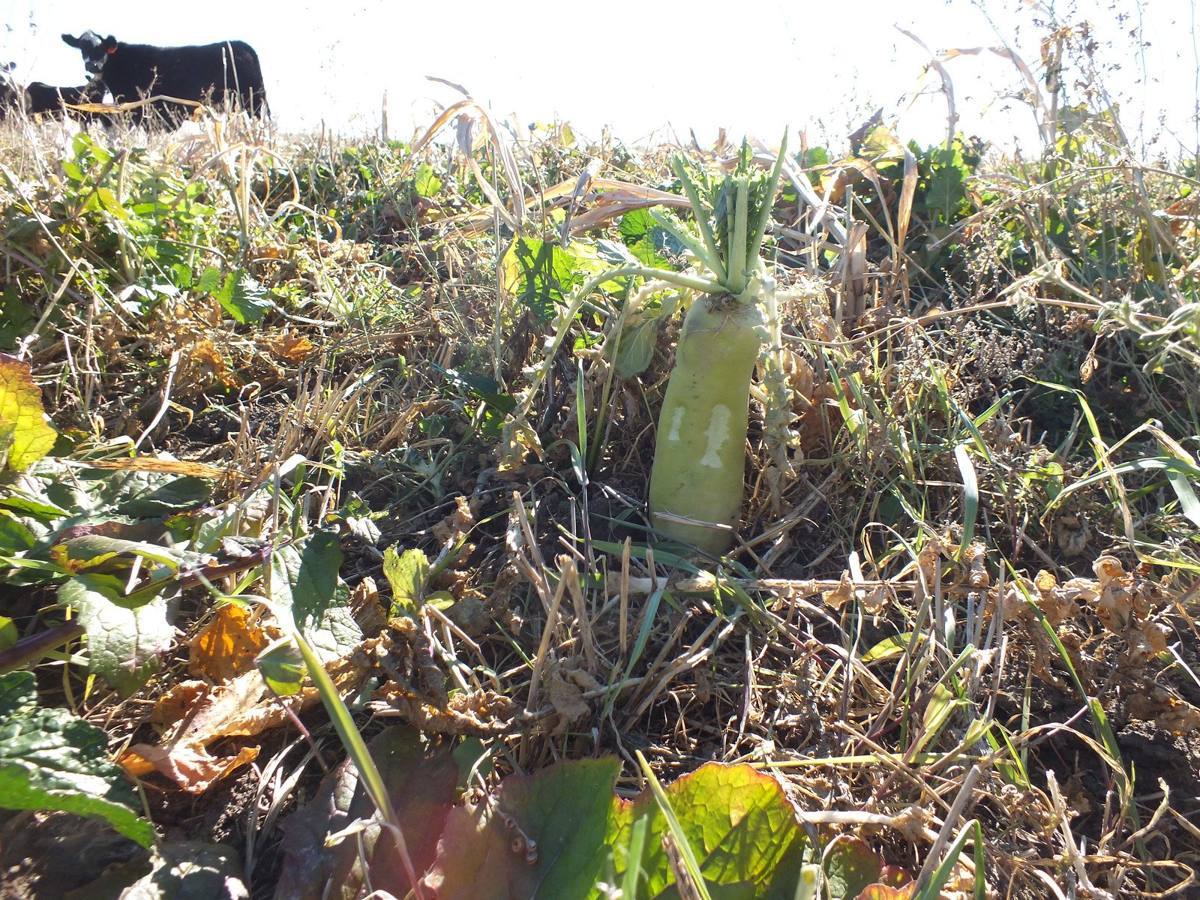
Late-season brassica plots succeed when deer eat leaves, bulbs, or both - and that menu is more nuanced than the frost-makes-them-sweet slogan. National Deer Association species profiles and brassica breakdowns document turnips and radishes producing leafy forage plus bulbs or taproots deer may dig later, while rape and kale are leaf-focused (NDA choosing brassicas; NDA turnips profile). NDA lab work on frost and sweetness found leaves stay highly digestible with high protein before and after frost, with only slight sugar shifts - not a dramatic sweetening event that alone explains use (NDA do brassicas get sweeter). Plant for winter biomass and energy, hunt when local deer actually show, and stop waiting for one magic freeze.
Key Takeaways
- Deer may eat brassica leaves early or late; bulbs and taproots often matter more in deep winter (NDA choosing brassicas).
- Frost does not reliably make brassicas dramatically sweeter in measured samples (NDA do brassicas get sweeter).
- Match species to drainage and cold hardiness - radishes die in hard teens more readily than turnips (NDA choosing brassicas).
- Soil pH near 6.0-6.5 and well-drained loams outperform heavy wet clay for bulbs.
- Use cameras to learn your herd preference instead of importing a catalog calendar.
Leaves versus roots
NDA brassica guides separate leaf-only types such as rape and kale from dual-purpose turnips and radishes that also offer underground energy stores (NDA choosing brassicas; NDA turnips profile). Crude protein in leafy forage can sit in the mid-twenties percent range in NDA summaries, while bulbs still contribute meaningful energy. Late season often means deer have already stripped tops and are pawing bulbs after snow. If your goal is January food security on a small acreage, choose varieties and seeding rates that grow real underground mass, not only tall leaves for October photos.
The frost myth, measured
NDA forage sampling after frost found highly digestible leaves with high crude protein both before and after frost, with only slight sugar increases in some leaves and no sugar change in radish and turnip taproots (NDA do brassicas get sweeter). Acid detergent fiber stayed low, meaning digestibility remained excellent. Deer may still hit plots harder in cold weather because they need energy and alternatives are scarce - not because chemistry flipped overnight. Managers who delay hunting until after a hard freeze sometimes miss earlier leaf use that cameras already documented.
Radish timing versus turnip timing
NDA notes radishes can attract earlier, before frost, while being less cold-hardy when temperatures sink into the teens (NDA choosing brassicas). Turnips often carry later into winter. Mixes hedge that phenology if you hunt September through January on one property. Pure radish stands that look perfect in October can be brown mush after a polar outbreak, leaving you with no late-season cafeteria.
Site and soil constraints
Poorly drained heavy clay hurts bulb formation and invites disease. Target well-drained loams and correct pH into the roughly neutral band NDA cites for performance (NDA choosing brassicas). Brassicas that look lush on wet ground may still underperform underground yield that late-season deer need. Soil tests beat guessing lime rates from a social media post.
Hunting the plot honestly
First frost does not guarantee a parade. Watch cameras for leaf grazing versus digging. Sit downwind edges and staging timber, not the middle of the cafeteria where every deer looks at your outline. When competing oak mast spikes, brassica use can pause even after cold nights (NDA do brassicas get sweeter). Move stands when pulp under oaks is wet and brassica cameras go quiet.
Planting calendar and biomass
Northern plantings often go in late summer; southern plantings lean early fall so plants mature before hard freezes (NDA turnips profile). Rushing a September seed job on dry dust fails as often as waiting too late for tiny plants entering winter. Biomass figures in NDA materials can reach multiple tons per acre dry weight when tops and bulbs are counted together - that is why small plots still feed more deer-days than thin cereal stands of equal size.
Club rules that prevent waste
Agree on fertilizer dates, lime, and whether ATVs may cross the plot after soft rain. A brassica field shredded into ruts loses stand density before deer ever dig a bulb. Assign one member to own soil tests and seed labels so the lease does not plant three conflicting mixes in three corners.
Bottom line
Late-season brassicas feed deer with leaves and often roots; frost sweetness is oversold - plant for biomass and cold hardiness, then hunt verified use (NDA choosing brassicas; NDA do brassicas get sweeter; NDA turnips profile).
Fertilizer without burning wallets
Brassicas respond to nitrogen and sulfur in many farm systems, but dumping unmeasured fertilizer on wet clay wastes money and can push leafy growth that lodges. Follow soil-test recommendations and product labels. Split applications if your agronomist advises it for sandy ground that leaches. Keep records so next year’s lease does not guess again (NDA choosing brassicas).
Predators and plot edges
Coyotes and eagles work brassica edges after dark when deer concentrate. That does not mean abandon the plot; it means midday sits after cold fronts can catch deer relocating, and it means gut piles should not be dumped in the same corner you hunt every evening. Plot success is food plus security, not food alone (NDA do brassicas get sweeter).
When to quit a failed stand
If cameras show zero digging and only rare leaf nips by January while neighboring cereal or leftover soy gets hammered, disk and replant a different mix next cycle rather than romanticizing brassicas. Local preference is real. NDA writers acknowledge regional finickiness even when nutrition looks excellent on paper (NDA do brassicas get sweeter; NDA turnips profile).
Related: Native warm-season grasses for bedding and NDA brassicas.
The other side of it
The NDA sampling did find slight sugar increases in some leaves, so the frost story isn’t pure fiction. And the article admits deer hit plots harder in cold weather anyway, which is the only part a hunter cares about. Waiting for a hard freeze may be the right call for the wrong reason. Debunking the sweetness story still won’t stop a single seed-bag buyer from waiting on that first freeze like it’s Christmas morning.
Keep reading
Latest deer news
Comments