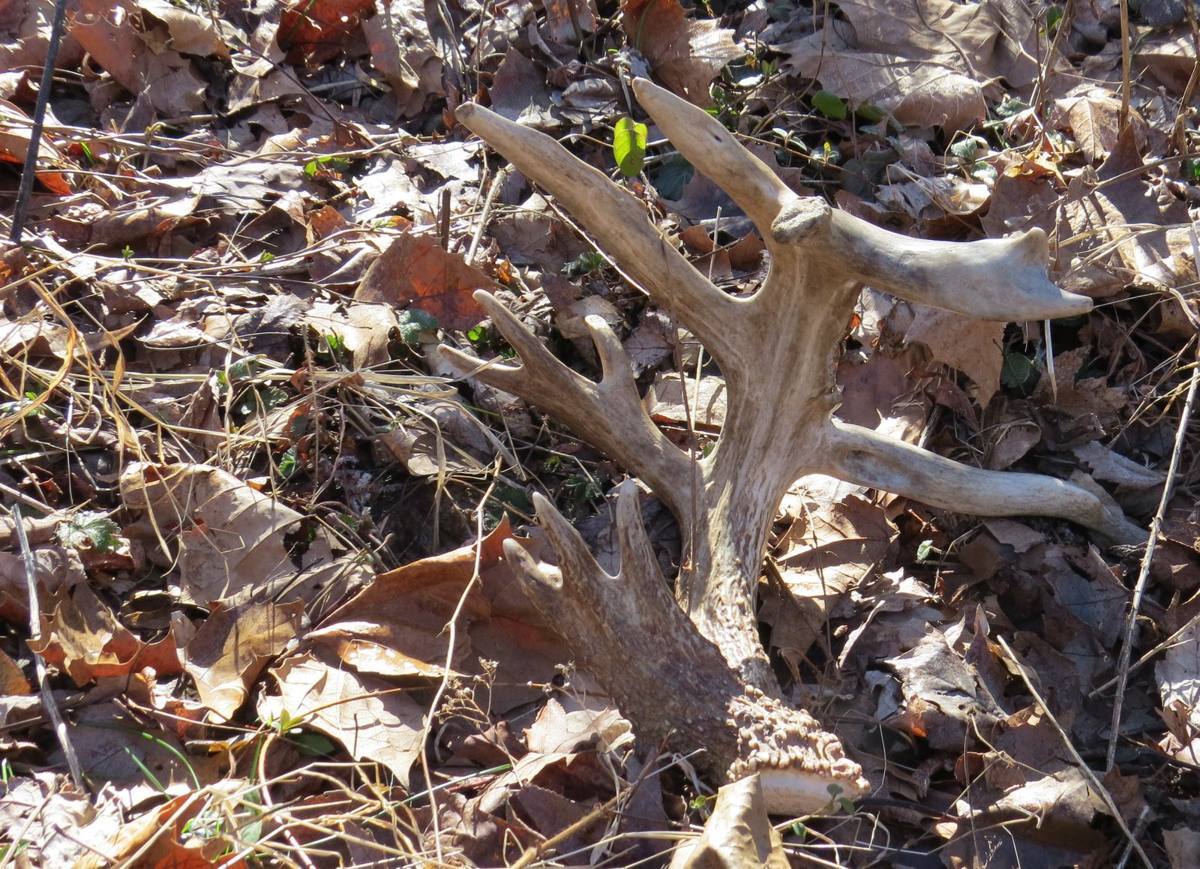
Whitetail deer shed their antlers between late December and April, and where a buck lives sets much of the timing. Maine’s wildlife department says its bucks shed from late December to early March (Maine IFW). MU Extension says some Missouri bucks drop in late December and most are done by early March (MU Extension). In Nebraska, University of Nebraska at Kearney research found about 35 percent of bucks cast by the end of February, 80 percent or more by the end of March, and all by the end of April (Nebraskaland Magazine). In Texas, sheds hit the ground anywhere from late December to late March (Texas Parks & Wildlife magazine). North American Whitetail’s regional ranges run later in the South, late January to mid-April for Southeastern bucks (North American Whitetail). Falling testosterone drops the antlers on a cycle largely governed by daylight, and the NDA says southern and Midwestern bucks tend to carry theirs longer than northern ones (NDA, early casting). Trail cameras that show a local bachelor group still carrying bone mean you are early regardless of the calendar.
Key Takeaways
- Broad window: late December through April across the range, with northern bucks generally dropping earlier than southern and Midwestern ones (Maine IFW; Nebraskaland Magazine; NDA, early casting).
- In Nebraska, most deer drop in March: about 35 percent of bucks by the end of February and 80 percent or more by the end of March (Nebraskaland Magazine).
- Early casting can signal injury or poor nutrition, which makes it scouting intel, not only a shed date (NDA, early casting).
- Start searching once most or all of the bucks on your cameras have dropped (NDA shed hunting tips).
- Shed rules vary by state. Nebraska, for one, allows picking up and selling sheds, including on Game and Parks land (Nebraskaland Magazine).
Latitude as a coarse map
Maine bucks are done by early March (Maine IFW) and most Missouri bucks by early March (MU Extension), while Nebraska’s research puts most drops in March with the last by the end of April (Nebraskaland Magazine). North American Whitetail’s ranges stretch later to the south and southwest, with Southwestern deer shedding from early February to mid-April (North American Whitetail). The NDA ties the timing to the testosterone cycle, which it says is largely governed by photoperiod, and notes that an injured buck may cast earlier than he normally would (NDA, early casting).
Why individuals cheat the average
The NDA lists the reasons a buck drops ahead of his neighbors: nutritional stress, injury to the antlers or body, and a hard rut that leaves him in poor condition. Bucks in good condition generally hold their antlers longer (NDA, early casting). Age cuts both ways. North American Whitetail says immature bucks are more likely to shed before mature ones (North American Whitetail), but the NDA notes that in northern regions dominant bucks often shed earlier than younger, smaller deer (NDA, early casting). Winter matters too: the NDA’s Kip Adams writes that good nutrition and mild conditions can delay casting, and that after the mild 2016-17 winter bucks in several areas carried antlers into March and April (NDA, mild winters).
Field timing method that beats guesswork
The NDA’s advice is to run trail cameras and start searching once most or all of the bucks in the photos have dropped (NDA shed hunting tips). Focus on winter food sources, especially cool-season food plots, plus bedding areas, the trails between them, and water if it’s scarce. Check spots where deer jump fences or ditches, since antlers often come loose there (NDA shed hunting tips). Mark finds with GPS to map next year’s routes.
Ethics and pressure
The NDA’s shed tips say to limit yourself to one thorough search of bedding areas per year and to stay out of severe winter yarding areas, because forcing deer out of cover raises winter stress and could hurt survival (NDA shed hunting tips).
Bottom line
Expect earlier drops north and later drops south, then let your cameras override the atlas (Maine IFW; Nebraskaland Magazine; NDA shed hunting tips). Early drops are biology clues, not just lucky finds (NDA, early casting).
Related: Melanistic whitetails and Mapping public land layers.
Regional expectations without false precision
Treat published month ranges as planning bands. North American Whitetail says casting dates vary from region to region and state to state, and even within a state (North American Whitetail). In Nebraska, only about a third of bucks have dropped by the end of February (Nebraskaland Magazine), so a single January shed doesn’t mean the bachelor group is done. A southern buck still carrying both antlers into March is within the published ranges (Texas Parks & Wildlife magazine; North American Whitetail).
Linking sheds to next season’s hunts
The places the NDA says to search, winter food, bedding and the trails between, are where your deer spent the winter (NDA shed hunting tips). Early casting after a visible injury may explain a rack you will not see again (NDA, early casting). As for mild winters and antler size, the NDA’s Adams says there is very little data on the subject (NDA, mild winters).
Gear and search pattern
Walk slowly and scan both downrange and close to your feet; the NDA says most sheds turn up within a stride or two of your path (NDA shed hunting tips). Check oval beds in snow or bedding cover, where matched sets and small antlers are more likely (NDA shed hunting tips). Go sooner rather than later once deer have dropped, because rodents start gnawing sheds right away (NDA shed hunting tips).
Pressure and wildlife stress
Late-winter deer are already under stress. Pushing them out of cover raises it and could affect survival, so make one good pass through bedding cover and leave (NDA shed hunting tips). Ask before crossing a landowner’s fence for that tine glinting in the sun.
Travel shed hunters
Check possession rules in the state you’re visiting before you pack bone home. Nebraska allows picking up, possessing and selling deer sheds, but rules elsewhere differ (Nebraskaland Magazine). Latitude guides your travel date; local camera reports refine the week.
Connecting cast timing to velvet and rut
The NDA describes one testosterone cycle behind all of it: levels climb from July, peak in late October to early November, and fall through late December, and the same daylight-driven cycle governs velvet shedding and casting (NDA, early casting). In Maine, that means velvet comes off in late August and September and antlers drop from late December to early March (Maine IFW). Use sheds as winter scouting, then rebuild spring plans around green-up.
The other side of it
Waiting on camera confirmation works fine on private ground. On public land, the patient guy often shows up to find the early crowd already walked the bedding and picked up the bone, and plenty of hunters don’t have cameras running on winter food to begin with. Funny how the folks preaching patience on sheds are usually the ones who already walked their best thicket last weekend.
Keep reading
Latest deer news
Sources
- Causes of Early Antler Casting | National Deer Association
- 6 Shed Hunting Tips | National Deer Association
- Do Mild Winters Mean Smaller Antlers? | National Deer Association
- Shed Antler Hunting in Nebraska: Timing, Tactics and What Research Reveals | Nebraskaland Magazine
- White-tailed Deer | Maine Dept. of Inland Fisheries and Wildlife
- Antler Development in White-tailed Deer: Implications for Management (G9486) | MU Extension
- The Secret Lives of Big Bucks | Texas Parks & Wildlife magazine
- When Is the Right Time to Go Shed Hunting? | North American Whitetail
Comments