University extension deer days teach browse audits, aging on the hoof, food-plot agronomy, and the same ownership-scale humility MSU publishes (MSU Extension Wildlife Habitat; MSU Extension White-tailed Deer Farmers Series). Attend with your co-op neighbors so everyone hears the overabundance warning together (MSU Extension Wildlife Habitat). Workshops complement, not replace, written harvest agreements (MSU Extension Wildlife Habitat).
Key Takeaways
- Extension field days teach habitat skills (MSU Extension Wildlife Habitat)
- Browse and aging demos (MSU Extension White-tailed Deer Farmers Series)
- Bring co-op neighbors (MSU Extension Wildlife Habitat)
- Overabundance ecology included (MSU Extension Wildlife Habitat)
- Follow agency regs taught on-site (MSU Extension Wildlife Habitat)
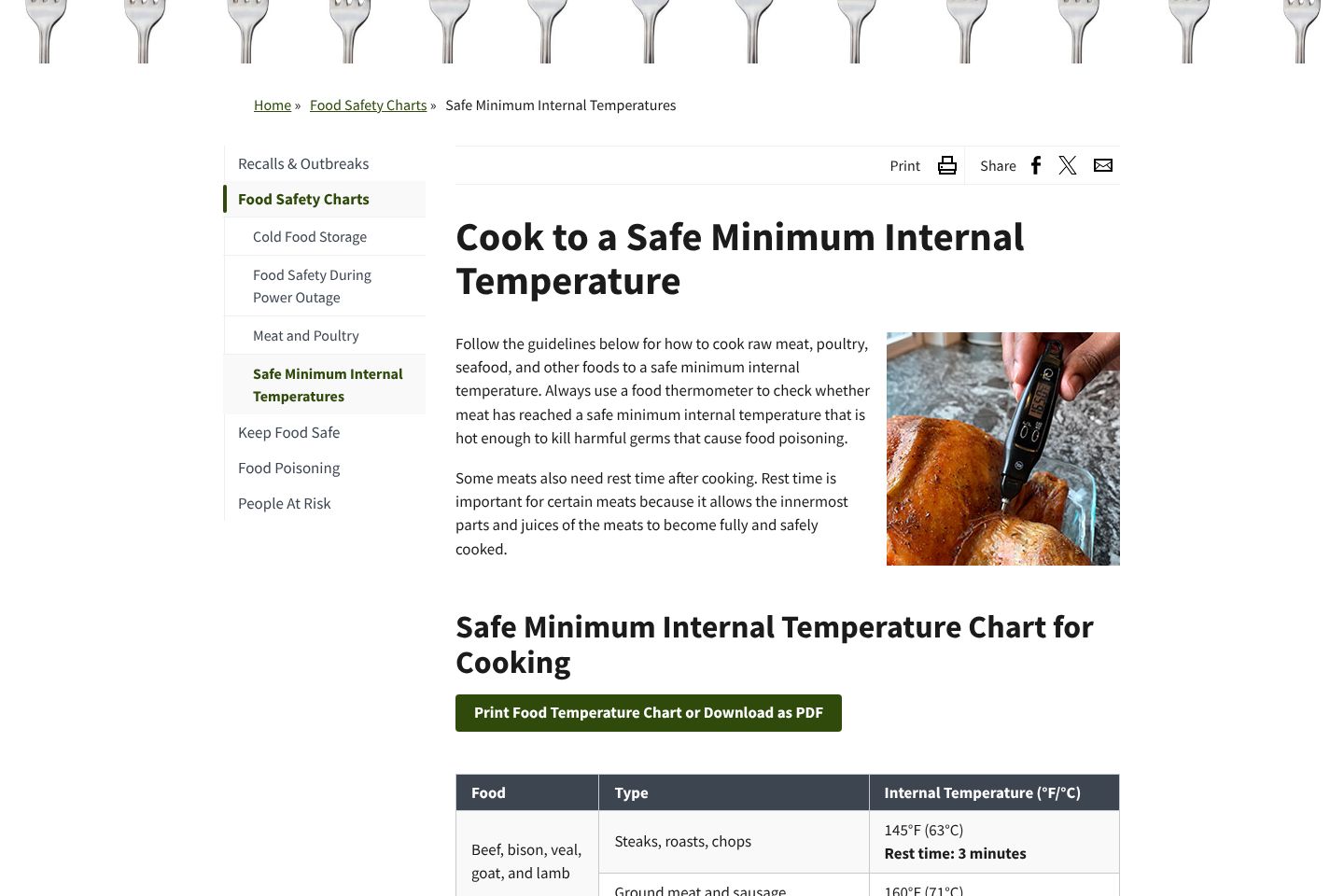
- Cook demo meat to 160F (FoodSafety.gov)
Find events
Watch state extension calendars (MSU Extension Wildlife Habitat).
Take-homes
Photo transect methods and jaw boards (MSU Extension White-tailed Deer Farmers Series).
Vendors
Seed talks still need soil tests (MSU Extension White-tailed Deer Farmers Series).
Disease module
Ask about CWD sampling logistics (USGS NWHC CWD).
Youth
Bring new hunters for aging practice (MSU Extension Wildlife Habitat).
Follow-up
Schedule a co-op meeting the next week (MSU Extension Wildlife Habitat).
Bottom line
Go to extension deer days for shared skills - then write the neighbor agreement MSU’s range scale demands (MSU Extension Wildlife Habitat).
The other side of it
One field day on somebody else’s ground is a taste, not a management plan, and the seed vendors at those events have their own reasons for being there. The hard part this article skips is getting neighbors to actually sign a harvest agreement, which no workshop does for you. Of course, the neighbor who most needs to hear the overabundance talk is the one who’ll skip it to sit his stand.
Keep reading
Latest deer news
Comments