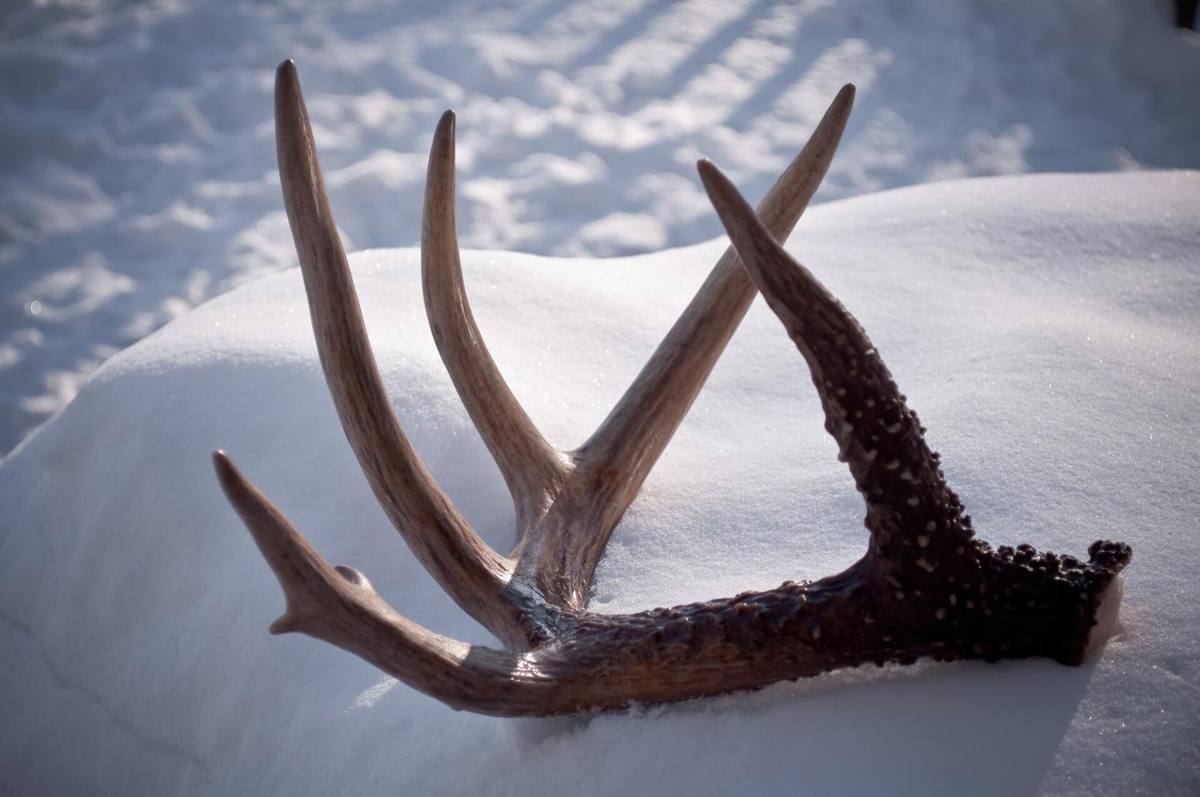
Official record programs treat matched shed antlers differently from a skull-plate trophy; eligibility, pairing proof, and measurement details are tightly controlled by club rules and may not match a casual shed hunter’s garage pair (Boone and Crockett Records FAQ; Pope and Young Score Sheets). Before dreaming of 160 / 170 or P&Y 125 from sheds alone, read the current entry procedure and talk to an official measurer (Boone and Crockett Minimum Entry Scores; Pope and Young Score Sheets). Many sheds are best left as personal collections rather than forced book attempts (Boone and Crockett Records FAQ).
Key Takeaways
- Sheds are not automatic book entries (Boone and Crockett Records FAQ)
- Pairing proof required by club rules (Boone and Crockett Records FAQ)
- Measurer guidance essential (Boone and Crockett Score Charts)
- Minima still apply if eligible (Boone and Crockett Minimum Entry Scores)
- P&Y has its own entry packet (Pope and Young Score Sheets)
- 60-day concepts still matter when applicable (Boone and Crockett Records FAQ)
Matching burden
Clubs need confidence both sides came from one deer (Boone and Crockett Records FAQ).
Skull plate vs sheds
A connected plate is the straightforward deer entry path (Boone and Crockett Score Charts).
Find a measurer first
Ask eligibility before paying entry fees (Boone and Crockett Score Charts; Pope and Young Score Sheets).
Fair chase context
Picked sheds are not a hunted trophy in the usual sense (Boone and Crockett Records FAQ).
State shed laws
Some states regulate shed collection separately from hunting (Boone and Crockett Records FAQ).
Honest labeling
Call shed scores unofficial unless the club accepts the entry (Boone and Crockett Records FAQ).
Bottom line
Treat shed pairing as a special eligibility problem under B&C/P&Y rules - most shed scores stay personal unless a measurer confirms a valid entry path (Boone and Crockett Records FAQ; Pope and Young Score Sheets).
The other side of it
For a piece about rules, it’s short on them. It says pairing proof and eligibility are tightly controlled, then sends you to a measurer without spelling out what proof actually looks like, which leaves a serious shed hunter about where he started. Keeping most sheds personal may be the right call, but the reasoning mostly stays offstage. Then again, nobody’s more certain two sheds match than the guy who found the second one on the neighbor’s place.
Comments