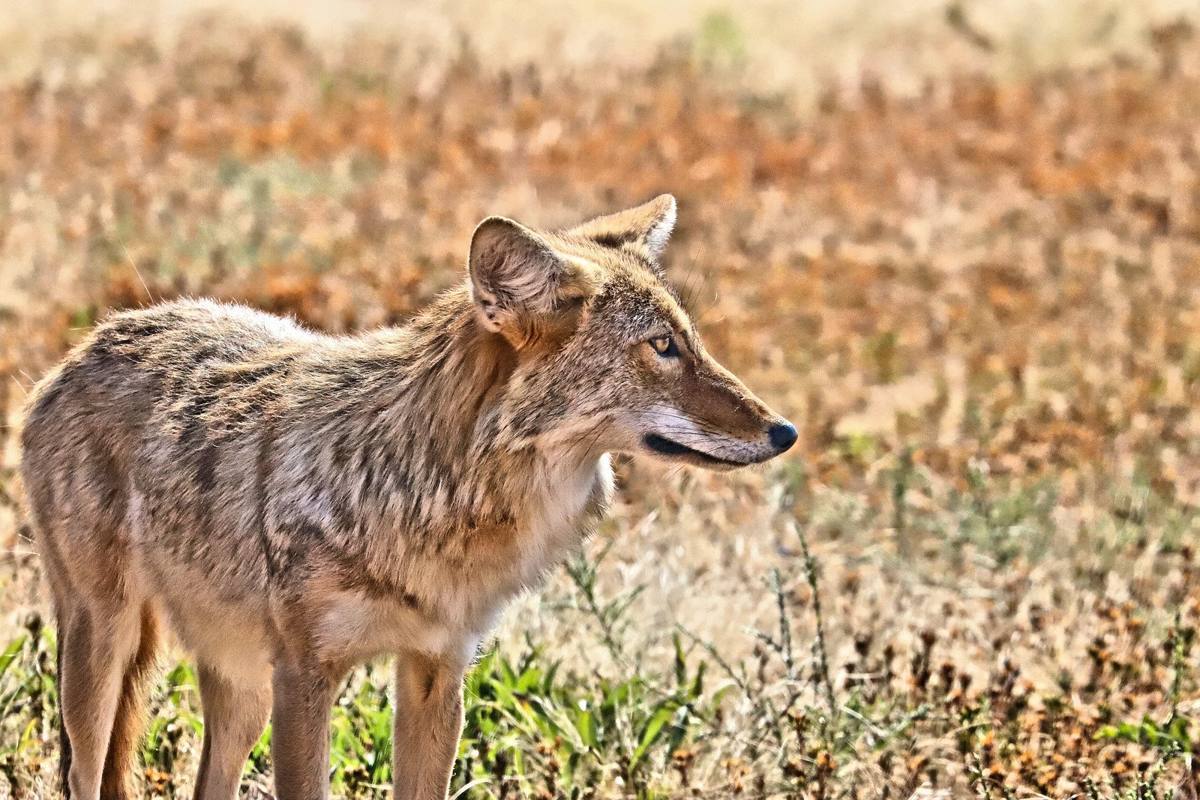
EHD die-offs and winter kills leave carcasses that subsidize coyotes, eagles, and other scavengers. WI DNR states the EHD virus does not survive in carcasses and staff will not remove those deer, while still urging gloves for other pathogens (Wisconsin DNR EHD). CWD-positive disposal rules are stricter because USGS frames CWD as a persistent contagious prion disease (USGS NWHC CWD; Wisconsin DNR EHD).
Key Takeaways
- Carcasses feed scavenger guilds (Wisconsin DNR EHD)
- EHD virus does not survive in carcasses (Wisconsin DNR EHD)
- DNR does not haul EHD deer (Wisconsin DNR EHD)
- Gloves still advised (Wisconsin DNR EHD)
- CWD disposal can be stricter (USGS NWHC CWD)
- Report outbreak clusters (Wisconsin DNR EHD)
Ecology
Sudden carrion pulses can boost local mesopredators briefly (Wisconsin DNR EHD).
Hunter role
Report then dispose per the disease program you are in (Wisconsin DNR EHD; USGS NWHC CWD).
Do not stage bait
Illegal carcass baiting is separate from natural subsidy (Wisconsin DNR EHD).
Pets
Leash dogs away from outbreak piles (FSIS Food Safety Basics).
Timeline
EHD pulses fade after frost kills midges (Wisconsin DNR EHD).
Bottom line
Understand deer carrion as a scavenger subsidy under WI DNR EHD rules - and switch to stricter CWD disposal when that program applies (Wisconsin DNR EHD; USGS NWHC CWD).
The other side of it
The scavenger-subsidy idea gets one line of support here, and the source behind it is a disease page, not a predator study, so a brief boost to mesopredators is about as far as anyone should push it. The bigger catch is that you can’t tell from the truck whether a carcass died of EHD or something worse, and CWD doesn’t wash out with the frost. Funny how the fella calling every dead deer nature’s recycling usually has a coyote call riding in his truck.
Keep reading
Latest deer news
Comments