Venison’s dark look is myoglobin chemistry, not mystery blood. The American Meat Science Association fresh-meat color fact sheet explains that myoglobin’s heme iron state sets color: purple-red deoxymyoglobin without oxygen, bright cherry-red oxymyoglobin when oxygen binds, and brown metmyoglobin when iron oxidizes to the ferric form (American Meat Science Association). Higher myoglobin concentrations deepen baseline color, so muscles that work hard appear darker than lightly used cuts (American Meat Science Association). Packaging chooses which pigment state customers see first, from vacuum purple to bloomed red to aged brown (American Meat Science Association). Cooked color remains a poor safety proxy compared with a thermometer (American Meat Science Association).
Key Takeaways
- Deoxy = purple; oxy = bright red; met = brown (American Meat Science Association).
- Heme iron chemistry drives the shifts (American Meat Science Association).
- More myoglobin darkens meat (American Meat Science Association).
- Vacuum holds the purple deoxy state (American Meat Science Association).
- Surface oxygen blooms then can brown (American Meat Science Association).
- Use temperature, not color, for doneness safety (American Meat Science Association).
Three pigment states on the cut
AMSA frames display color as reversible oxygenation plus oxidative browning of myoglobin (American Meat Science Association). Deep uncut meat stays deoxy purple until sliced into air, then oxymyoglobin blooms on the surface (American Meat Science Association). Metmyoglobin accumulates as muscle reducing systems fail to keep iron in the ferrous state (American Meat Science Association). Those three forms explain nearly every fresh venison color argument at the cutting board (American Meat Science Association).
Why deer meat reads darker
Myoglobin concentration sets how dark a muscle looks before packaging effects (American Meat Science Association). Active skeletal muscle carries more pigment for oxygen storage, raising the color floor (American Meat Science Association). Wild deer locomotion fits that pigment-rich pattern, so venison often looks darker than many sedentary beef muscles under the same wrap and lighting (American Meat Science Association). Bloom and lamp color still change perception, but they do not erase the higher pigment load (American Meat Science Association).
Why is some venison extra dark, sticky and firm?
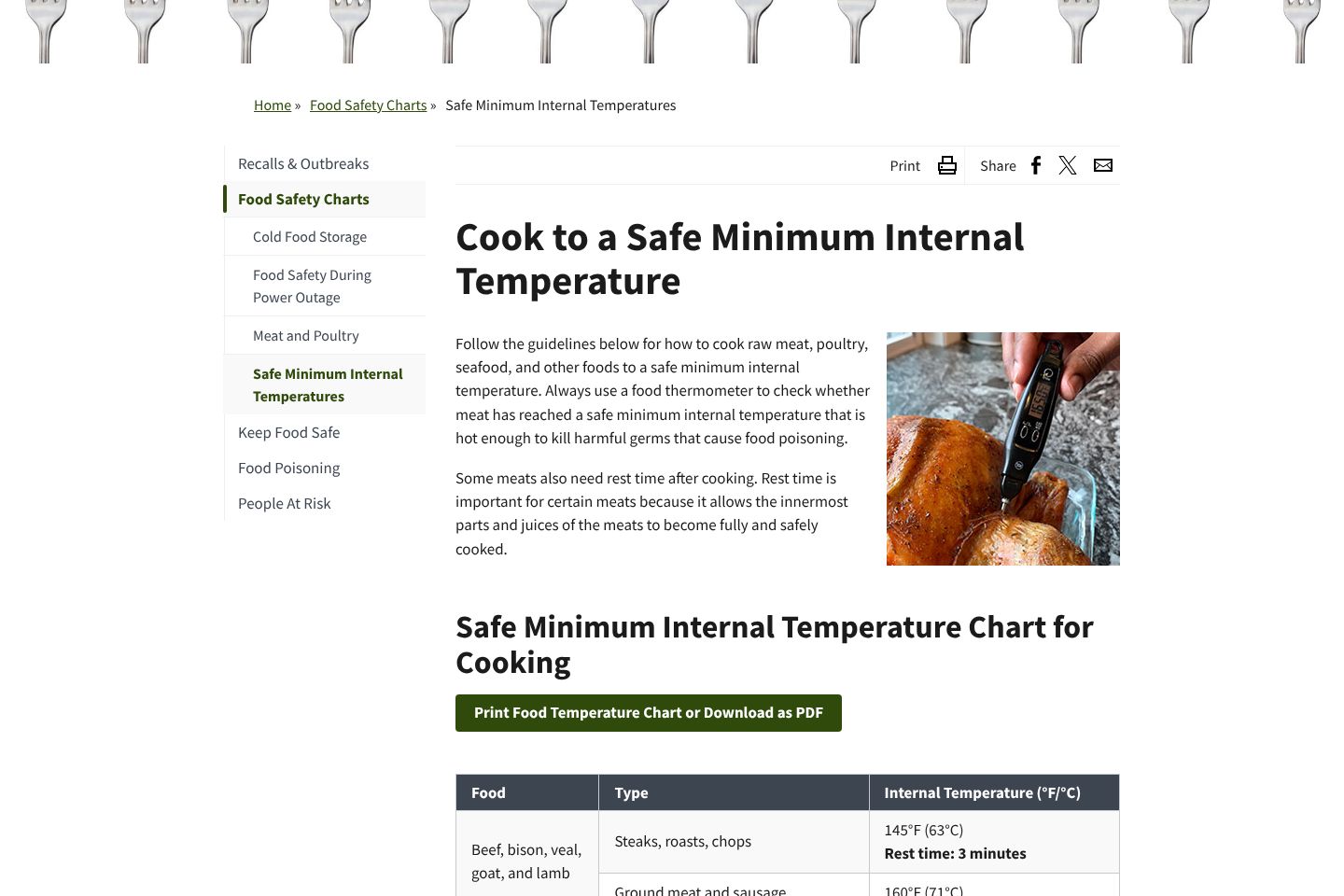
That’s usually stress, not pigment alone. NDSU’s wild-game care guide ties dark, firm meat to stress on the animal before harvest (NDSU Extension FN124). It’s a quality defect. It doesn’t lower the cook temperature. FoodSafety.gov still lists venison at 160°F (FoodSafety.gov). Dark meat can look done on the grill before the center gets there, so go by the thermometer. A lot of that meat ends up in the grind, which also cooks to 160°F.
Package physics hunters meet
Vacuum barriers maintain deoxymyoglobin until the bag opens and oxygen starts bloom (American Meat Science Association). Oxygen-permeable wraps favor early oxymyoglobin, then trend toward metmyoglobin browning with time (American Meat Science Association). High-oxygen modified atmospheres can prolong red appearance but do not repeal oxidation chemistry (American Meat Science Association). Freezer burn and surface dehydration further dull color on top of pigment state changes (American Meat Science Association).
Safety versus appearance
AMSA’s framework teaches display pigment chemistry, not pathogen lethality (American Meat Science Association). Dark or pink cooked venison can mislead home cooks; measured internal temperature remains the kill-step check (American Meat Science Association). Cure, pH, and grind size can further scramble color expectations on sausage and jerky (American Meat Science Association).
Processor communication
Tell customers that purple vacuum venison is normal before opening, chill cut surfaces quickly, and match bloom expectations to package type (American Meat Science Association). Limit abusive oxygen exposure on trays that races metmyoglobin formation (American Meat Science Association). Label pack dates so older bloomed product rotates first (American Meat Science Association).
Scope note
The AMSA sheet teaches universal ungulate fresh-meat pigment rules rather than a deer-only myoglobin lab assay (American Meat Science Association). Apply those rules to venison as pigment-rich skeletal muscle following the same heme chemistry (American Meat Science Association).
Bottom line
Venison color is myoglobin state chemistry on a pigment-rich deer muscle background: purple without oxygen, red with oxygen, brown when oxidized (American Meat Science Association).
The other side of it
The whole piece rests on a general meat-science fact sheet, and the article concedes there’s no deer-only myoglobin assay behind it, so ‘deer work harder, so the meat is darker’ is a reasonable stretch rather than a measured result. Cure and grind size can also scramble color, which makes the cutting board a shaky place to diagnose anything. Funny how the hunter who calls a purple vacuum pack spoiled will happily eat brown burger he never put a thermometer in.
Keep reading
Latest deer news
Comments