Shed hunting is legal in much of whitetail country with no license, as long as you have landowner permission on private land. Iowa and Missouri require no permit. Public land is a different story: national parks ban removing antlers outright, national wildlife refuges allow it only with a special permit, and Utah, Wyoming, Colorado, Nevada and Montana close winter range or require a course or license in late winter and spring. The reason is wintering big game, plus the fact that antlers are food for other animals.
Key Takeaways
- Parks and refuges: 36 CFR 2.1 bars removing antlers in national parks; refuges require a special permit under 50 CFR 27.61 (36 CFR 2.1; USFWS).
- Colorado: public lands west of I-25 close Jan. 1 to April 30 every year (CPW).
- Utah: an Antler Gathering Ethics Course certificate is required Jan. 1 to May 31, renewed every year (Utah DWR).
Why can’t you pick up shed antlers in some places?
Two reasons. Wintering big game is fragile, and antlers are food for other animals. Colorado’s closure exists “to reduce stress on wintering big game animals” (CPW). The Fish and Wildlife Service bans collection on refuges partly because sheds are “an important source of nutrients to various other animals” (USFWS).
Is it illegal to pick up shed antlers?
In much of whitetail country, yes, with no license. Iowa requires no permit (Iowa DNR). Missouri requires none and allows it on MDC conservation areas (MDC). Both still require landowner permission on private land, and both want a call to a conservation officer before you keep a skull with antlers attached. But public land isn’t automatically open. Illinois prohibits removing sheds from state parks under 20 ILCS 835/6, and from state fish and wildlife areas, conservation areas and state forests except by permit (Outdoor Illinois, IDNR). That Illinois rule comes from a 2006 IDNR magazine sidebar, so confirm it with IDNR before you rely on it.
Federal land
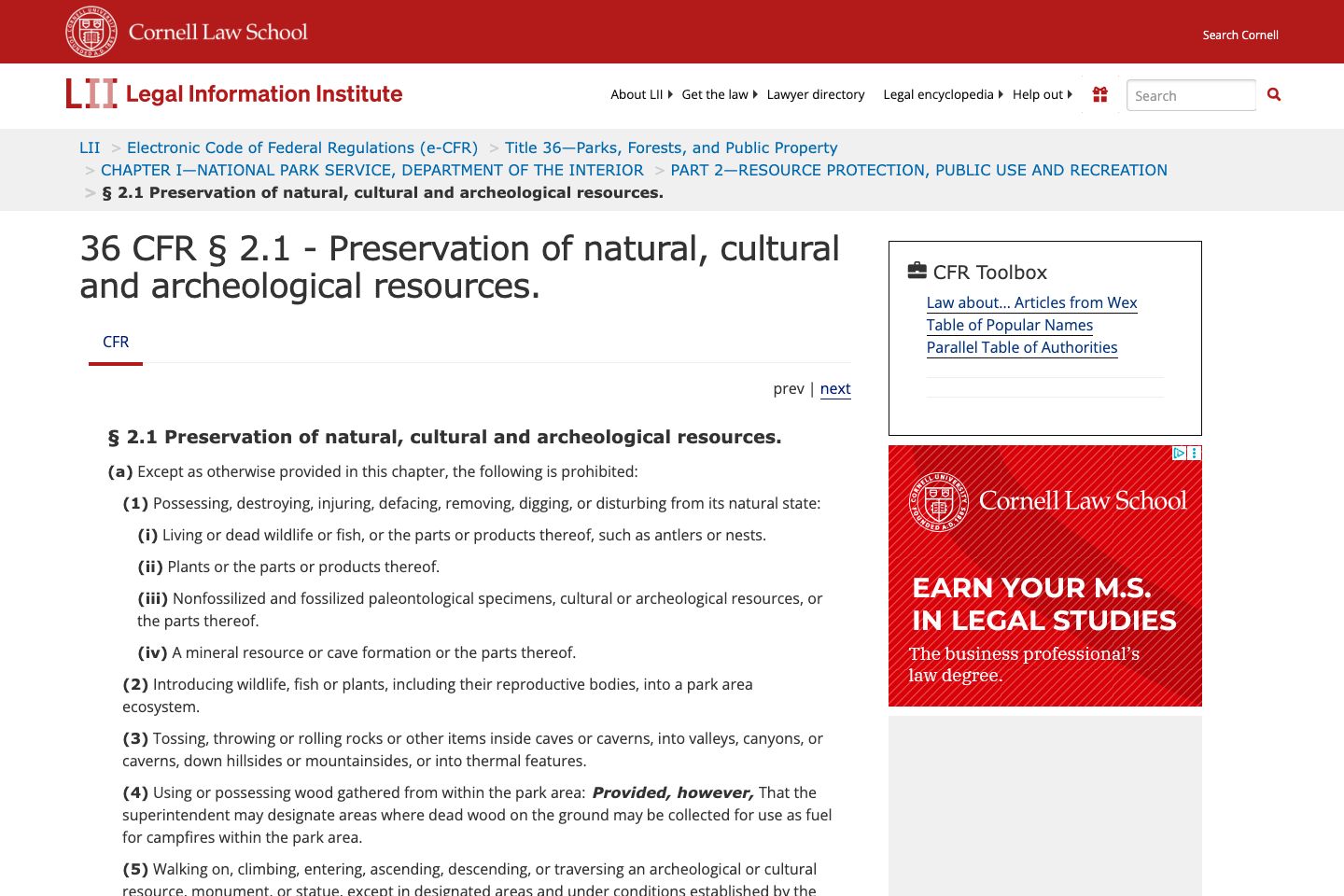
- National parks: 36 CFR 2.1(a)(1)(i) prohibits possessing or removing “living or dead wildlife or fish, or the parts or products thereof, such as antlers” (36 CFR 2.1). An NPS release from Fossil Butte National Monument lists the penalty as a fine of up to $5,000 and/or up to six months in prison (NPS). Wyoming notes antler collection is banned year-round in Yellowstone and Grand Teton (WGFD).
- National wildlife refuges: not allowed “unless you have a special permit,” under 50 CFR 27.61 (USFWS).
Which states restrict shed hunting? (verified 2026-11-04)
| State | Rule | Season year checked | Source |
|---|---|---|---|
| Utah | Antler Gathering Ethics Course certificate required Jan. 1 to May 31, renewed every year; carry it on paper or in the Utah Hunting and Fishing app. The DWR director can close shed hunting statewide during emergency winter feeding. | Page updated April 21, 2026 | Utah DWR |
| Wyoming | Collection Area 1 (public and state land west of the Continental Divide) closed from Jan. 1 at 6 a.m. Reopened May 1, 2026 at 6 a.m. for residents and May 8 for nonresidents. Nonresidents 15 and older need a conservation stamp. | 2026 (release dated April 28, 2026) | WGFD 2026; WGFD area rules |
| Colorado | Public lands west of I-25 closed Jan. 1 to April 30, annually. GMUs 54, 55, 66, 67 and 551 are also closed from sunset to 10 a.m., May 1 to 15. $137 fine and 5 license-suspension points per violation. | Standing annual rule; next closure Jan. 1 to April 30, 2027 | CPW |
| Nevada | Public land in Elko, Eureka, Lander, Lincoln, Nye and White Pine counties closed Jan. 1 to April 30. From May 1 to June 30 you need a current-year course certificate (age 12+; under 12 with a certified adult). | NAC 503.172 as amended Oct. 25, 2021 | NAC 503 |
| Montana | Most WMAs open at noon May 15. A 2025 law bars nonresidents from WMAs with seasonal closures for the first seven days (Blackfoot-Clearwater: May 22, 2026). Nonresidents need a $50 WMA shed license. Everyone 12 and older needs a conservation license to enter a WMA. | 2026 | Montana FWP |
These are standing rules, so expect the same windows in 2027. Agencies do change them, though. Utah stretched its course window to Jan. 1 to May 31 only recently. Re-check the agency page before you go.
Public-land etiquette
Show up on a weekday and walk where other hunters won’t. The NDA’s 2026 piece recommends glassing heavily walked food plots from the edge and saving your legs for thick cover and burns (NDA). Leave gates the way you found them, stay off soft two-tracks, and if you find a dead buck with the antlers still on, leave it and call the agency. Utah asks you not to move the skull at all.
Related reading on RAD:
In-season vs post-season
In-season: glass, cameras where legal, and edge sign. Post-season: walk the beds and rub lines you marked (INHS scouting). Related: Louisiana public land deer hunting and deer bedding.
The other side of it
Scouting is just hiking with a story until you refuse to bump the bed you came to find.
Keep reading
Latest deer news
Sources
- 36 CFR § 2.1 - Preservation of natural, cultural and archeological resources. | Electronic Code of Federal Regulations (e-CFR) | US Law | LII / Legal Information Institute
- USFWS (fws.gov)
- Shed Antler and Horn Collection | Colorado Parks and Wildlife
- Gathering shed antlers or horns - Utah Division of Wildlife Resources
- Go Shed Antler Hunting | Department of Natural Resources
- Shed Antlers: The Other Deer Season | Missouri Department of Conservation
- OutdoorIllinois March 2006 The Dog Shed (Deer Finding Antlers)
- Shed Hunters Reminded that Collecting is Not Permitted in the Monument - Fossil Butte National Monument (U.S. National Park Service)
- Shed antler hunting opens May 1 in Collection Area 1 for residents, May 8 for nonresidents | Wyoming Game & Fish Department
- Shed antler season has arrived in some parts of the state | Wyoming Game & Fish Department
- NAC: CHAPTER 503 - HUNTING, FISHING AND TRAPPING; MISCELLANEOUS PROTECTIVE MEASURES
- Opening Day Plans For Blackfoot-Clearwater Antler Hunters In 2026 | Montana FWP
- NDA (deerassociation.com)
- Post-season Deer Scouting Strategies | Illinois Learn to Hunt | Illinois Natural History Survey | Prairie Research Institute
Comments