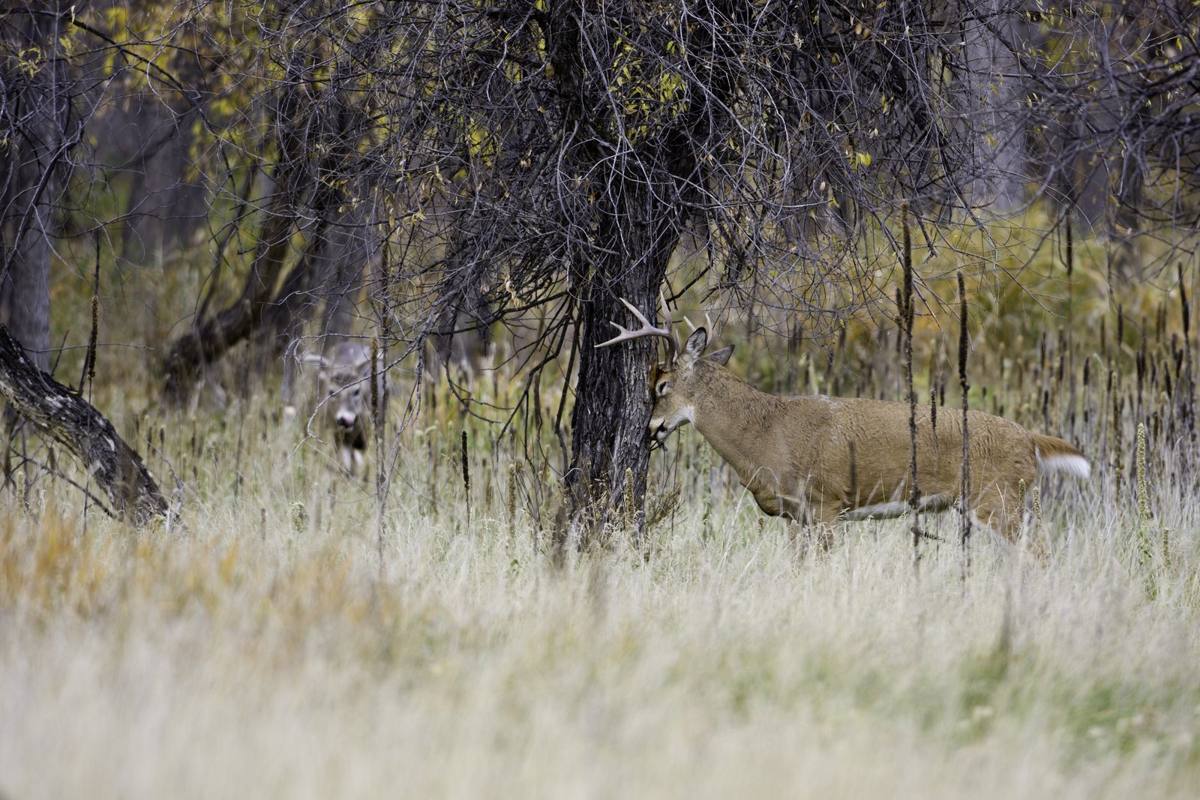
Estrous doe bleats are easy to overuse and hard to evaluate honestly. Calling articles from Deer and Deer Hunting, Game and Fish, American Hunter, and HuntWise converge on a modest claim: soft bleats can pull a curious buck during pre-rut and rut cruising, especially when paired with restraint and good wind, but frantic calling educates deer and can bump does you wanted bedded nearby (Deer and Deer Hunting bleat performance; Game and Fish rut calling phases; American Hunter bleat know-how; HuntWise what is a deer bleat). Sound is a decoy. Use it like a decoy - sparingly, with a plan for the shot angle, and never as a substitute for being in the right funnel.
Key Takeaways
-
Use soft, infrequent bleats in late pre-rut and rut when bucks cruise (Game and Fish rut calling phases; American Hunter bleat know-how).
-
Wait long silent periods between sequences - often 15-20 minutes or more (Deer and Deer Hunting bleat performance).
-
Over-calling bumps deer and trains mature bucks to avoid carnival noises.
-
Pair bleats with rattling only when the story you are telling makes sense for the date.
-
Wind and setup quality beat call brand every time.
What a bleat is for
Doe bleats cover contact and estrus-related sounds depending on tone and context. Hunters buy estrous cans hoping to sound like a ready doe. Bucks sometimes investigate. Does sometimes answer or move away. HuntWise and Deer and Deer Hunting explain bleats as natural vocabulary, not a whistle that forces bucks into range (HuntWise what is a deer bleat; Deer and Deer Hunting bleat performance).
Seasonal windows
Game and Fish phase guides place more aggressive calling value in pre-rut and rut windows when bucks seek does and check scrapes (Game and Fish rut calling phases). Early season bleating at feeding does can empty a field. Late season cold hunts may favor subtle contact bleats near food more than loud estrous theater. Match the call to deer motivation that week.
Volume and spacing
American Hunter and Deer and Deer Hunting pieces caution against constant calling (American Hunter bleat know-how; Deer and Deer Hunting bleat performance). Make a short sequence, then go quiet long enough that a buck circling downwind can arrive without hearing a radio show. If you call every three minutes, you are entertaining yourself.
When bleats hurt
High-pressure public land where every sit includes a bleat can make sound a danger cue. Calling with the wind wrong pulls a buck into your scent cone. Calling while deer are already in view at close range can freeze or flush them. Silence is often the right sound decoy.
Combining with rattling and decoys
A bleat after a light rattle can suggest a buck fighting near a doe. That story fails in early September and may work in early November depending on your herd. If you also set a decoy, make sure the shot angle and blaze rules are safe before you invite a buck to lock on plastic.
Practice and realism
Record yourself and compare to known deer audio. Cheap cans vary. Practice mouth calls until cracked notes disappear. Grand View Outdoors calling roundups stress matching vocalization type to season and keeping a wide but disciplined toolkit (Grand View deer vocalizations).
Ethics and neighbors
On small leases, endless calling educates the same bucks everyone shares. Agree on quiet hours or zones. On public land, do not call another hunter into your setup on purpose.
Bottom line
Estrous bleats help mainly as rare, soft queries during cruising phases; constant calling hurts more than it helps - let wind and location lead, then use sound as a light decoy (Game and Fish rut calling phases; Deer and Deer Hunting bleat performance; American Hunter bleat know-how).
Field script that stays honest
Pick one funnel. Confirm wind. Sit twenty minutes silent. If nothing is in view, make two soft bleats, then wait at least fifteen minutes. If a doe feeds into view, stop calling. If a buck hangs up at eighty yards, a single soft bleat can help, but only if he is not staring at your shape. That script is boring on purpose - boredom is what keeps calls from becoming alarms (Deer and Deer Hunting bleat performance; American Hunter bleat know-how).
Gear notes without brand worship
Cans, tubes, and electronic calls all fail when used too often. Electronics may be illegal in some states or seasons - check. Mouth calls leave hands free for the bow. Whichever tool you choose, volume control matters more than price. A whisper at the right moment beats a loud estrous concert at the wrong one (Grand View deer vocalizations).
Reading the response
Ears forward and a deliberate walk toward you is curiosity. A hard stare then a slow circle downwind is danger - stop calling and prepare for a scent check you might lose. A snort and flush means you called poorly or were already burned. Log the outcome so you do not repeat carnival calling on the next sit (HuntWise what is a deer bleat; Game and Fish rut calling phases).
Club agreements
Shared leases should decide whether estrous bleats are welcome all season or limited to specific weeks. One member blasting calls every sit educates deer for everyone. Put the agreement in the group chat before opening day.
Related: Priming scrape mock-ups and Decoy safety for deer hunting.
The other side of it
Everything behind this advice is outdoor-magazine consensus, and the article admits calls are hard to evaluate honestly. Nobody here counted how many bucks walked in on a bleat versus how many were coming down that funnel anyway, so the case for restraint rests on experience more than evidence. A hunter who’s had a buck come in hard to an aggressive sequence has a fair point too. Still, the guy hitting the can every three minutes isn’t hunting so much as hosting a radio show.
Keep reading
Latest deer news
Comments