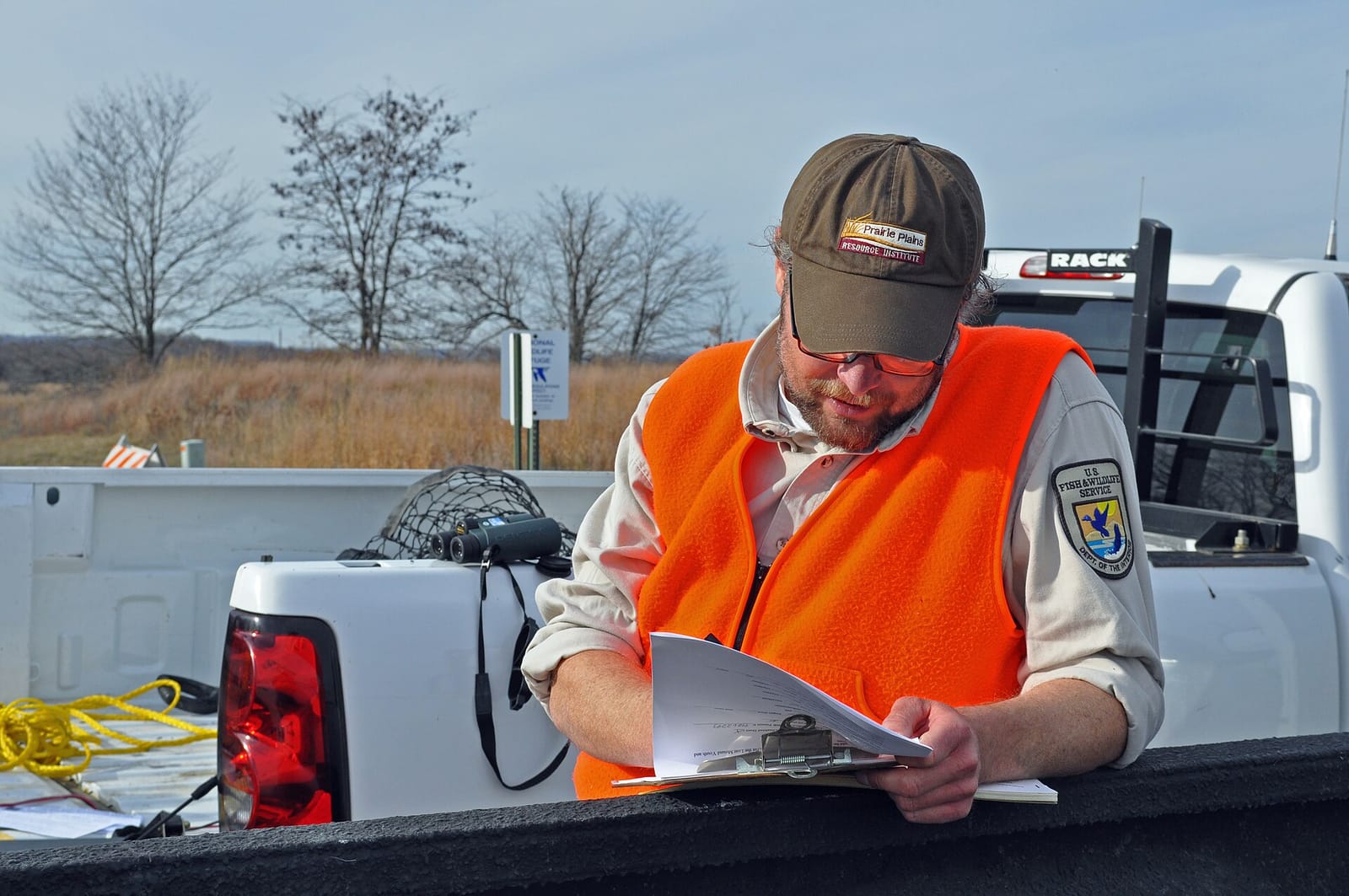
Club check stations that record jaw age, field-dressed weight, lactation, and harvest location turn anecdotes into tables MSU-style management needs when ownerships are smaller than deer ranges (MSU Extension Wildlife Habitat). Those biological fields complement browse audits and camera ratios (MSU Extension White-tailed Deer Farmers Series). They do not replace state harvest reporting or CWD sampling (USGS NWHC CWD).
Key Takeaways
- Record age, weight, sex, location (MSU Extension Wildlife Habitat)
- Lactation notes for doe productivity (MSU Extension Wildlife Habitat)
- Pair with browse metrics (MSU Extension White-tailed Deer Farmers Series)
- Share summaries across co-ops (MSU Extension Wildlife Habitat)
- Submit required CWD samples (USGS NWHC CWD)
- Cook meat to 160F (FoodSafety.gov)
Jaw boards
Train members on tooth-wear classes or send incisors out (MSU Extension Wildlife Habitat).
Scales
Hang scales calibrated and note mud/gut status (MSU Extension Wildlife Habitat).
Privacy
Aggregate before posting (MSU Extension Wildlife Habitat).
Disease flags
Emaciation or lesions trigger agency calls (Wisconsin DNR EHD).
Yearbooks
Print five-year graphs for the annual meeting (MSU Extension Wildlife Habitat).
Food safety
Check stations still need hygiene for sample knives (FSIS Food Safety Basics).
Bottom line
Collect club check-station biology - age, weight, lactation, location - so MSU-scale cooperative management has evidence (MSU Extension Wildlife Habitat).
The other side of it
Check-station data only describes the deer members decided to shoot, which is a sample shaped by everybody’s trigger finger as much as by the herd. A small club might log a handful of jaws a season, and five-year graphs built on that can swing on one hunter’s choices. Weights and wear calls drift too unless somebody trains people. Still, it beats the alternative, which is the same loud guys at the annual meeting arguing from memory.
Keep reading
Latest deer news
Comments