To read deer sign, start with what each piece of sign is for. Rubs and scrapes are the big ones, and the National Deer Association calls them “signposts”: rubs are a buck’s visual and scent marker, and scrapes are a community message board both bucks and does check (NDA). The catch is timing: research cited by the NDA found about 85% of scrape activity happens at night, so the best sign doesn’t always mean the best stand site (NDA).
Key Takeaways
- Dominant bucks may rub trees or shrubs “within sight of other deer” to show superiority (NDA).
- A full scrape has three parts: a marked overhanging branch, pawed ground and urine (NDA).
- In a two-year camera study, “85 percent of all scraping activity occurred at night” (QDMA Canada).
- Scrape visits peaked 2–3 weeks before the rut, and after the peak, bucks “almost completely stop visiting scrapes” (QDMA Canada).
- “Does routinely visit scrapes,” too (NDA).
What does a deer rub mean?
A rub is a buck rubbing his antlers and head on a tree or shrub, leaving bark scraped off and scent behind. The NDA’s Kip Adams describes rubs as signposts and says dominant bucks may rub “within sight of other deer” to show social or physical superiority (NDA).
Research backs up the signpost idea. The pale sapwood draws attention, and forehead glands at the antler base leave scent that other deer read (Prairie Naturalist). Mississippi State Extension says rising testosterone has bucks focused on rubbing and scraping by early October (MSU Extension).
Do bucks rub trees to get velvet off?
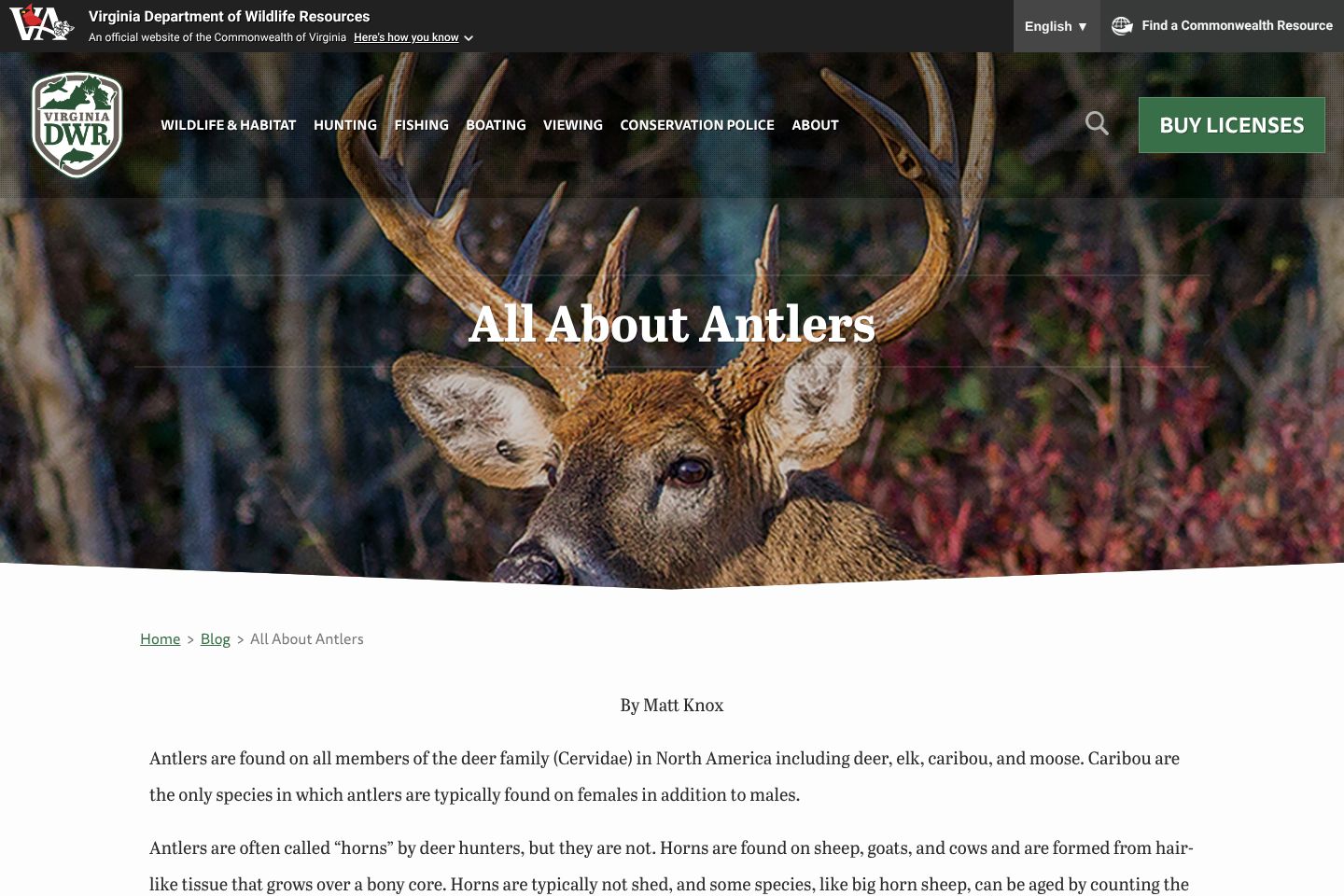
Mostly no. Virginia’s Department of Wildlife Resources says velvet “is typically totally removed in a day,” and that of the hundreds of rubs a buck makes in a year, “99.9% of which are made after the velvet has already been removed” (Virginia DWR).
What does a rub line tell you?
It shows direction of travel. Nebraska Game and Parks’ Nebraskaland magazine says a rub line “shows a distinct direction that a buck prefers to travel in the morning and evening from bedding to feeding locations or vice versa” (Nebraskaland).
A cluster of rubs with no clear pattern in thick cover “tells you a buck is comfortable in this location,” possibly near a bedding area. The magazine’s advice there is to hunt the trail or pinch point nearby in the morning, so you don’t bump him while walking in for an evening sit (Nebraskaland).
What does a deer scrape mean?
It’s a scent message board. The NDA describes the sequence: a buck marks an overhanging branch with his preorbital and/or forehead glands, often biting or chewing it, paws away the leaves below, and often urinates in the bare dirt (NDA). Adams compares rubs to “a bottle rocket compared to the fireworks of scrapes.”
Is the licking branch more important than the scrape?
Research suggests it might be. In the QDMA Canada study, “nearly all signposting included bucks marking overhanging branches,” while pawing and urinating happened in “less than half of visits” that included marking. In early October, most marking was branch-only, without pawing, which means bucks may be using a scrape site before you can see a scrape there (QDMA Canada).
Do does use scrapes?
Yes. Adams says “does routinely visit scrapes,” and it’s not uncommon for them to urinate there and leave their own scent (NDA).
Is a scrape that looks dead really dead?
Not always. Adams points out scent at a scrape can last several days, so deer may check it from a distance without leaving anything new (NDA). Put a camera on it before you write it off.
Where do deer make scrapes?
Adams says you’ll find them on field edges, along trails and inside the woods, concentrated “where two or more vegetation types or age classes meet.” An overhanging branch at the right height usually sets the exact spot, and a scrape may come back year after year if the tree and travel patterns stay the same (NDA).
When are scrapes most active?
Before the rut peaks. The QDMA Canada study found “most visits occurring 2–3 weeks prior to the rut,” and after the peak, bucks almost completely stopped visiting. It also found yearling and 2.5-year-old bucks marked the same scrapes as older bucks, with no delay (QDMA Canada).
Is a scrape line real?
Maybe not the way you think. The NDA notes scrapes “only a couple hundred yards apart may be used by completely different groups of bucks,” which “brings into question the idea of a ‘scrape line’” (NDA).
Which deer trails are worth hunting?
Look for places where trails cross. Nebraskaland suggests scouting “for areas where several trails intersect, especially those that come from a thick bedding area to food sources.” It adds that bucks prefer trails in thicker cover, where they can check open areas and test the wind. When you find active rubs and scrapes together, “you know you have a good place to set up” (Nebraskaland).
Should you hunt over a scrape?
Usually not directly. The NDA says nearly 85% of scraping happens at night, and suggests hunting does to find bucks instead (NDA). Adams’ tip: bucks often hit scrapes just before daylight or just after dark, so “setting up between scrapes and good bedding cover can be an excellent strategy” (NDA).
Related reading on RAD:
The other side of it
Old-school hunters will tell you they’ve killed plenty of bucks sitting right on a hot scrape, and some have. Fifteen percent of visits during daylight is still something, and a mock scrape on your best trail costs nothing. But if your whole plan is “sit on the biggest scrape and wait,” the research says you’re mostly waiting for a buck that shows up at 2 a.m.
Keep reading
Latest deer news
Sources
- NDA (deerassociation.com)
- QDMA Canada - Buck Use of Scrapes — What the Latest Research Reveals
- All About Antlers | Virginia DWR
- Nebraskaland (magazine.outdoornebraska.gov)
- NDA (deerassociation.com)
- "Quantifying Signpost Usage by Captive Male White-Tailed Deer" by Cassie L. Auxt, Eric S. Michel et al.
- Understanding Buck Movement: How, When, and Why Bucks Navigate the Landscape | Mississippi State University Extension Service
Comments