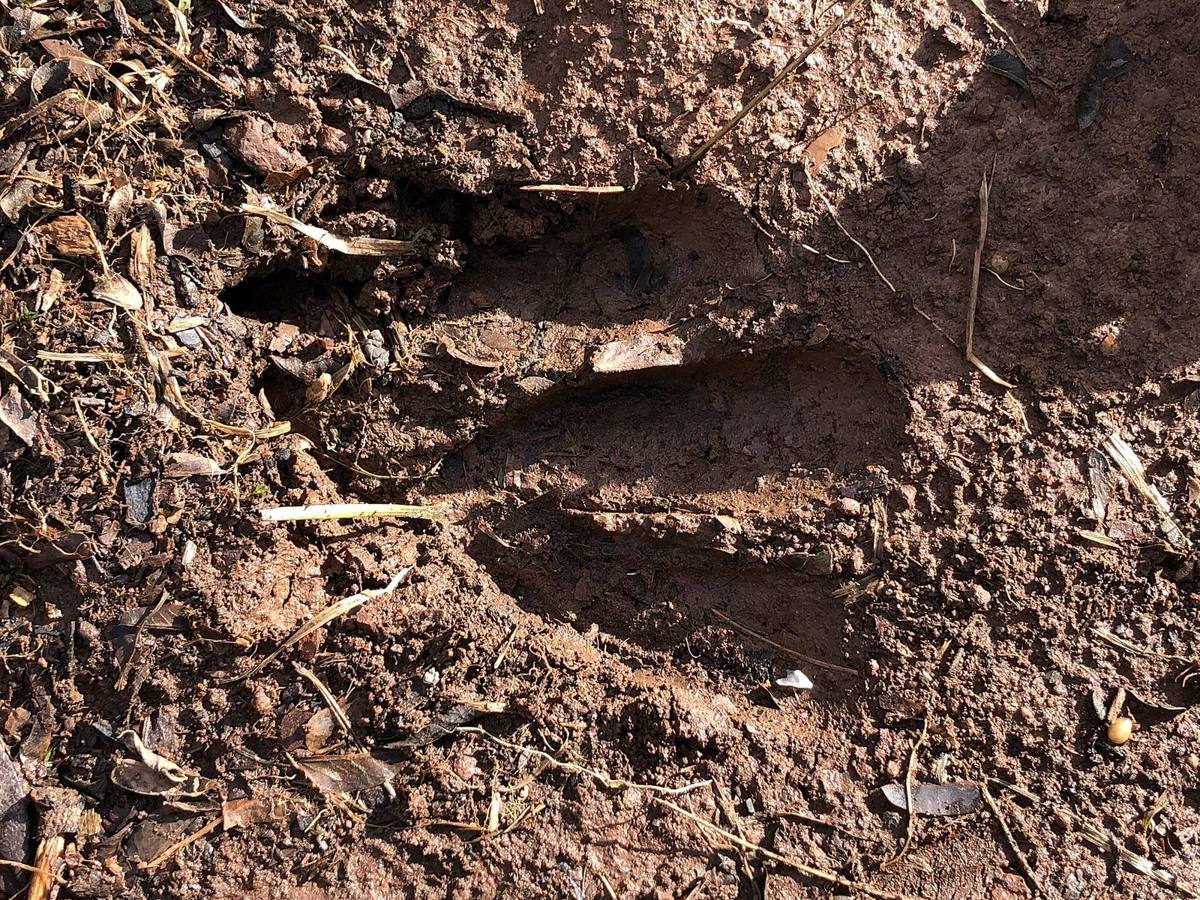
Tracking and recovery starts with reading the hit and matching your wait to it. A double-lung or heart shot can be taken up right away (NDA), but National Deer Association guidance says to wait about 8 to 10 hours on a liver hit and 10 to 12 hours on a gut hit, because pushing too soon jumps a bedded deer and stretches the trail (NDA find your deer).
Key Takeaways
- The NDA recommends aiming for the heart/lung vital area, broadside or slightly quartering away (NDA shot placement).
- On a paunch or gut shot, the blood trail is likely to be sparse (NDA).
- In Michigan, the tracker must hold a DNR dog-tracking permit before the track starts, even when you’re tracking your own deer (MI DNR Dog Tracking).
- Wisconsin requires every reasonable effort to retrieve killed or crippled game, and until it’s retrieved it counts toward your bag (WI DNR taking of game).
How long should you wait before tracking a deer?
Match the wait to the hit. For a paunch or gut shot, the NDA says wait time is necessary, unlike a double-lung or heart shot you can take up immediately (NDA).
If the hit is behind the diaphragm, in the stomach or paunch, the NDA’s recovery guidance says wait much longer before tracking (NDA find your deer):
| Hit | Wait before tracking |
|---|---|
| Liver-class hit | About 8 to 10 hours |
| Gut hit | About 10 to 12 hours |
The reason is simple. Pushing too soon jumps a bedded deer and lengthens the trail (NDA find your deer). Give a gut-shot deer the time to bed and expire.
How can you tell a deer is gut shot?
Watch the deer, then look at the ground. Signs can include a hunched walk, a tucked tail, and dark blood or digestive matter on the projectile or ground (NDA find your deer).
If you see intestines hanging or stomach contents at the hit site, you’ve got a paunch shot. That’s the wound you want to avoid in the first place, which is why the NDA recommends heart/lung placement only (NDA shot placement).
How do you work a blood trail?
Mark the hit site, then mark every speck you find. Look for hair and which way the blood is headed, and grid slowly down the last known line before you recruit help.
On a gut hit, back out quietly first and come back after the wait. Control any dogs, then resume slowly. Pushing a gut-shot deer right away often means a longer, dirtier trail. If you lose the animal on public land with special rules, call a conservation officer.
For deer sign beyond blood, see how to read deer sign.
Can you use a dog to track a wounded deer?
In some states, yes, with a permit and rules that differ from state to state. Here’s how two of them handle it.
Michigan. If you use a dog to find wounded game, the tracker must hold a DNR dog-tracking permit before the track starts, even when you’re tracking your own deer. Log the start (tracker info plus the accompanying hunter’s license data) before you begin, and log the end within 12 hours after the animal is dispatched or you quit (MI DNR Dog Tracking).
Only the licensed hunter who wounded the deer may dispatch and tag it. That hunter must go along with the tracker, and chamber and nock rules tighten around the point of kill. Private land still needs landowner permission for people and dogs (MI DNR Dog Tracking).
Maine. State law says a person may not use a leashed dog to track a wounded animal without a valid permit. “Wounded animal” means a lawfully wounded bear, deer or moose. Each day of violation is a Class E crime, with a minimum $50 fine plus twice the permit fee (Maine Legislature).
The law lets the commissioner adopt rules on training, the type and number of dogs, leash requirements, and when and how a wounded animal may be tracked and dispatched (Maine Legislature). Check Maine IFW’s current rules before you go. We cover more states in using tracking dogs after the shot.
Do you have to keep looking for a wounded deer?
Ethics say yes, and in some states so does the law. You owe the animal a reasonable recovery effort and, where required, salvage of edible meat.
Alaska law and ADF&G guidance treat wanton waste of big game as a serious offense and tell hunters to make every effort to find and kill wounded game, with meat-salvage duties defined in statute (Alaska DFG wounded game). Wisconsin regulations require every reasonable effort to retrieve killed or crippled game, and until it’s retrieved it counts toward the bag (WI DNR taking of game).
The other side of it
Long waits have a price, and this page admits it: sit too long in warm weather and you risk spoiled meat, so the gut-shot clock isn’t free. The legal notes also cover only a handful of states, which leaves most hunters reading somebody else’s rules. And the guy who climbs down right after a paunch hit because he “heard it crash” is about to learn what a long, dirty trail looks like.
Keep reading
Latest deer news
Sources
- Title 12, §11111: Tracking wounded animals with a leashed dog
- NDA (deerassociation.com)
- Dog tracking
- NDA shot placement (deerassociation.com)
- NDA find your deer (deerassociation.com)
- Recovering Wounded Game in Alaska, Alaska Department of Fish and Game
- Taking of Game | General Hunting Regulations | Wisconsin DNR
Comments