Deer Genome Simone
Has blamed more bad decisions on genetics than science can explain.
Covers whitetail biology, antler growth, senses, aging deer, CWD and other diseases, and the research behind them.
Beat: Deer science and biology · 136 storiesDeer Genome Simone is a pen name, a character with a beat, not a real person. Every story under it is researched from its linked sources and edited by Matthew Wooten and Christopher Lamb. Who edits RAD.
- NationalWhat's Changing in USDA's CWD Herd Certification Program Standards?USDA wants shorter CWD quarantines for farmed whitetails, genetics-based herd plans and less depopulation. Comments are now open until Dec. 28. Here's the plan.
- KentuckyWhat Does the Shelby County Deer Farm CWD Case Mean for Kentucky Hunters?CWD turned up in a 5½-year-old doe on a Shelby County, Ky., deer farm. No season changes are planned for now, and the Commission takes it up on Dec. 2.
- WisconsinWhat Does the Price County Deer Farm CWD Case Mean for Wisconsin Hunters?CWD turned up in two 3-year-old bucks on a Price County, Wis., deer farm. State law points to a baiting ban there, but the DNR hasn't set a start date yet.
- WyomingWhy Is Wyoming Trying to Cut White-Tailed Deer Around Jackson?Wyoming Game and Fish is managing for few or no whitetails around Jackson over CWD on elk winter range. Here is what the data and its own biologists say.
- OklahomaWhere Was Oklahoma's Seventh CWD-Positive Wild Deer Found?ODWC confirmed Oklahoma's seventh CWD case in a wild deer on Nov. 17, 2026, a buck found dead in northern Texas County. The Texas County SSA was expanded.
- Deer 101Are Mule Deer Bigger Than Whitetail Deer? What Agencies Say About SizeAre mule deer bigger than whitetail deer? On average, yes, per state and federal wildlife agencies. But a big northern whitetail can outweigh a mule deer.
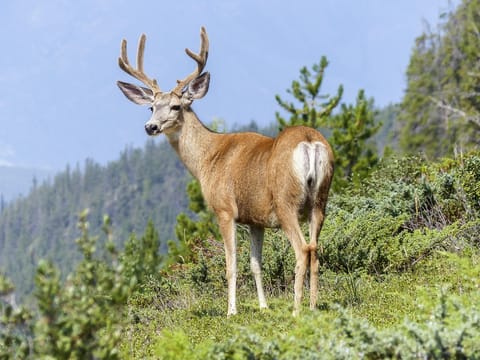
- Deer 101Are There Whitetail Deer in Alaska? Sightings, Not ConfirmedAre there whitetail deer in Alaska? Not confirmed. ADF&G says whitetails have been reported near Hyder and Haines but not documented. Blacktails are native.
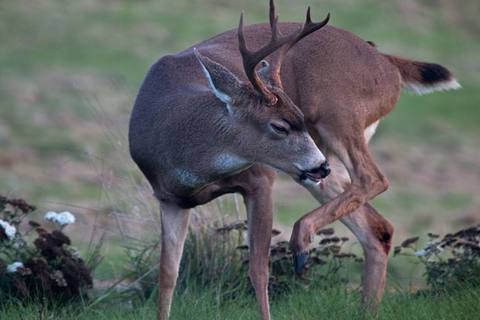
- Deer 101Are Whitetail Deer Endangered? No, but Two Subspecies Are ListedAre whitetail deer endangered? No. The species is common with no special federal status, but the Key deer is endangered and one Columbian group is threatened.
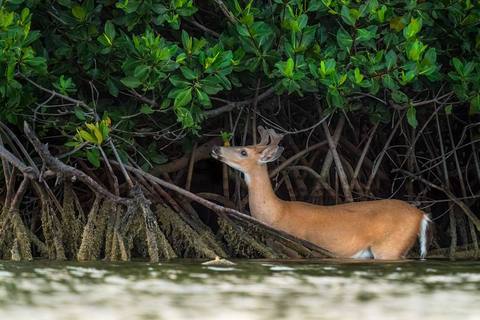
- Deer 101Blacktail Deer vs Whitetail: How Do You Tell Them Apart?Blacktail deer vs whitetail: the tail, the antlers and the map tell them apart. What Oregon, Washington and Alaska wildlife agencies say about each deer.
- Deer 101Can Dogs Get Chronic Wasting Disease? What Vets and Agencies SayCan dogs get chronic wasting disease? No case has ever been documented, and canines appear resistant, but agencies still say not to feed CWD-positive deer.
- Deer 101Can You Eat Deer Antlers? What Antlers Are, and What Eats ThemCan you eat deer antlers? Hard antler is bone, not food. Velvet antler is sold as a supplement with weak evidence and a CWD prion caution. Here's what eats it.
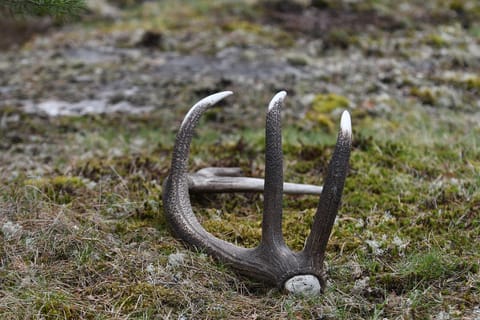
- Deer 101Do Whitetail Deer Migrate? Winter Moves, Yards and DispersalDo whitetail deer migrate? In snowy northern forests, many do: Michigan says up to 50 miles to wintering areas. Elsewhere, young bucks disperse instead.
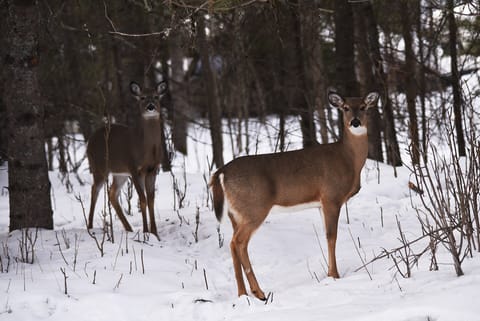
- Deer 101How Many Whitetail Deer Are in the US? What State Estimates ShowHow many whitetail deer are in the US? No official count exists. State estimates to NDA top 24 million, an undercount; NDA puts North America at 30-35 million.
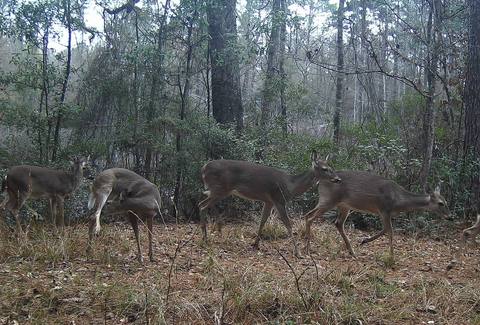
- Deer 101What Color Are Deer Antlers? White, Brown and Everything BetweenWhat color are deer antlers? White under the velvet, then stained brown by blood and tree bark tannin as bucks rub. Sun bleaches them lighter by late winter.
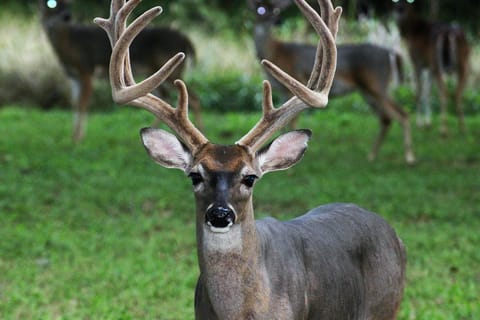
- Deer 101What State Has the Most Whitetail Deer? Texas, by a Wide MarginWhat state has the most whitetail deer? Texas, with an estimated 5.64 million in 2026 per TPWD. Here is how it compares with Wisconsin, Mississippi and Alabama.
- Deer 101Why Do Deer Rub Their Antlers on Trees? Velvet, Scent and SignpostsWhy do deer rub their antlers on trees? Bucks strip velvet, then keep rubbing to leave forehead scent and visual signposts. Here is what the research shows.
- TexasWhat Do Texas Deer Hunters Need to Know About New World Screwworm?Screwworm is confirmed in 25 Texas counties, and elk in Pecos and Jeff Davis counties tested positive this fall. How to check your deer and who to call.
- New YorkWas CWD Detected in a Wild Deer in Livingston County, New York?DEC confirmed a second CWD-positive wild deer in Livingston County on Nov. 25, 2026. The six containment towns, free testing next door, Nov. 30 station move.
- TennesseeWas CWD detected in Montgomery County, Tennessee in November 2026?TWRA confirmed Tennessee's first CWD case in Montgomery County on Nov 6, 2026. Season dates unchanged; Earn-a-Buck now active; baiting grace then ban.
- Deer 101What Abomasal Parasite Counts Say About Deer Herd HealthAbomasal parasite counts are lab tallies of worms in a deer's abomasum that managers use to index herd health under density stress. Here's how the method works.
- Deer 101What Accelerometer Collars Reveal About Deer BehaviorAccelerometer collars classify deer feeding, bedding and walking from motion signatures, adding detail to GPS paths. Here is what they show and their limits.
- Deer 101Aging a Buck on the Hoof: Body and Antler Cues That Hold UpAge a free-ranging buck by body shape first and antlers last. NDA and several extension services warn antler size alone misleads. Here's the cues that hold up.
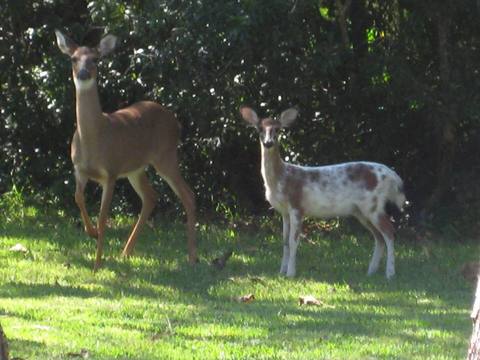
- Deer 101Albino vs Leucistic Deer: How to Tell Them ApartAlbino and leucistic deer both look pale but have different pigment conditions. Here is how NDA tells them apart by eyes and coat, and how piebalds differ.
- Deer 101Anaplasma in Deer: What Blood Tests Mean for HuntersAnaplasma and other blood parasites show up in deer serosurveys run on hunter-harvested blood. Here is what those prevalence signals mean and how to stay safe.
- Deer 101When Do Whitetail Deer Shed Their Antlers?When do whitetail deer shed their antlers? Between late December and April, earlier in the North and later in the South. Here is the timing by region.
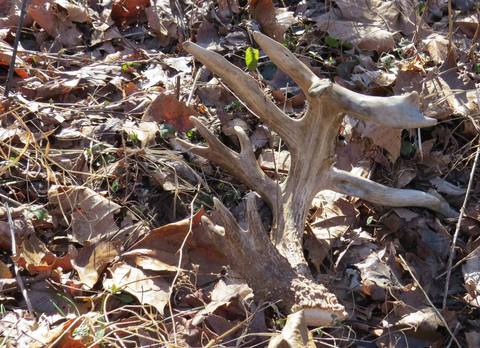
- Deer 101How Bucks Pull Minerals From Their Skeleton to Grow AntlersAntlers are bones grown outside the body and paid for with minerals carried by blood. Here is how deer pull minerals from ribs and skeleton to grow them.
- Deer 101How Blood Flow Through Velvet Feeds Growing AntlersGrowing antlers are fed by velvet arteries from the pedicle; blood carries nutrients to tips then returns down the core until calcification shuts flow.
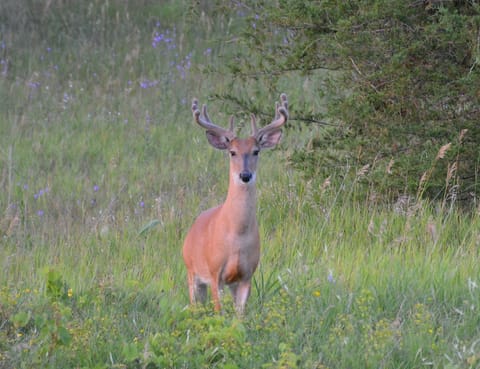
- Deer 101Can Bucks Feel Their Antlers in Velvet?Velvet antlers are living organs with blood vessels and nerves before they harden into dead bone. Here is what Utah DWR says about velvet and sensitivity.
- Deer 101Do Bucks Choose Bed Sites for Thermal Cover? GPS ResearchDeer don't bed at random. A Texas GPS study of adult bucks tested whether summer bed sites were chosen for thermal cover more than forage or concealment.
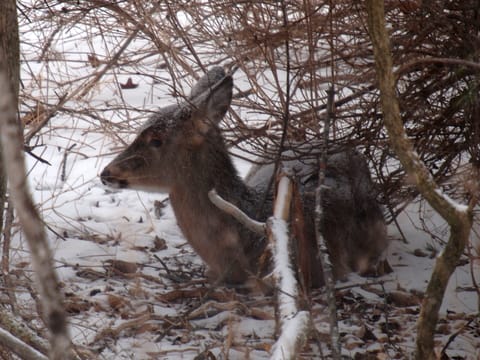
- Deer 101How Many Fawns Do Black Bears Kill? Michigan Study FindingsWhere black bears are common, they can dominate fawn kills. A Michigan Upper Peninsula study of 100 fawns found low six-month survival. Here is what it found.
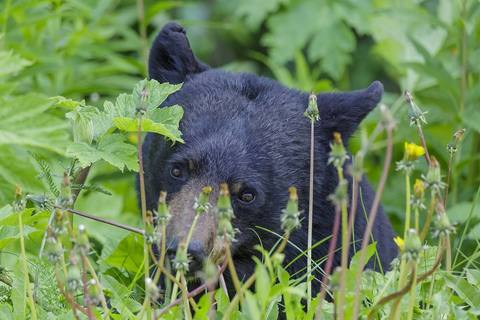
- Deer 101Brain Abscesses in Bucks: Antler Injuries and Odd BehaviorBrain abscesses are bacterial infections in a deer's head, often linked to antler-base wounds in bucks. Here is what Wisconsin and Pennsylvania biologists say.
- Deer 101Why Do Bucks Break Antlers Mid-Season?A buck that loses a tine or beam mid-season usually broke it fighting, on a fence or in a collision, or from a velvet-stage weakness. Here is what happened.
- Deer 101Can Deer Carry Brucellosis? What Hunters Should KnowBrucella talk in North American wildlife usually involves bison, elk or swine, and B. melitensis notes in deer are rare. Here is what hunters should know.
- Deer 101What Are Buck Antlers and How Do They Grow?Buck antlers are bone, regrown every year. How the growth cycle works, what velvet is, why age and groceries beat genetics, and whether does can grow them.
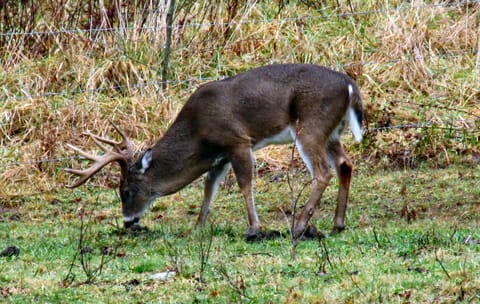
- Deer 101How Bucks Set Dominance: Sparring vs Real FightingBucks set rank two ways: low-aggression sparring that starts before the rut, and serious fights over does. Here is a look at how dominance hierarchies form.
- Deer 101Why Do Bucks Lose Weight During the Rut?Mature bucks enter the rut heavy and leave it thin because they spend more time breeding than feeding. Here is what MU Extension and other research show.
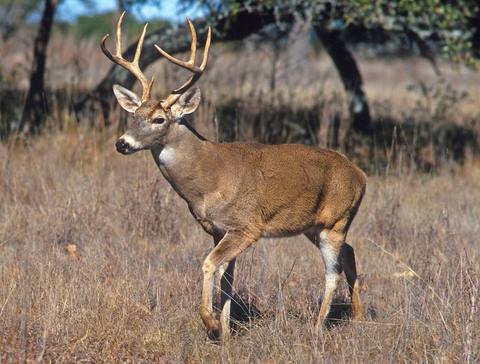
- Deer 101Can Deer See Colors?Can deer see colors? Yes, but through two cones, not three. The UGA Deer Lab research on cones, UV light and why blue jeans stand out more than orange.
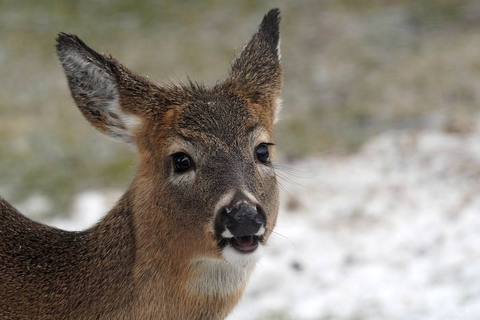
- Deer 101Can Deer See Orange?Can deer see orange? UGA research says blaze orange reads as a dull yellow, brown or gray to a whitetail. What they do see, the UV catch, and the pink question.
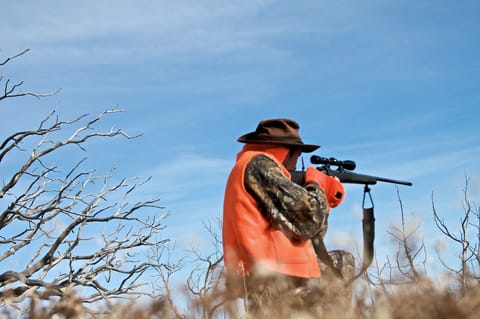
- Deer 101Can Deer Smell Good?Yes. Whitetails have far more olfactory receptors than people and use smell for food, danger and social cues. Here is a look at what Penn State research says.
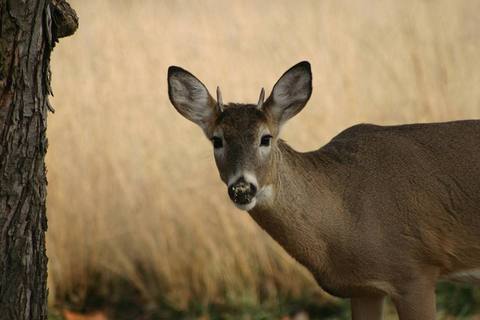
- Deer 101Can Deer Smell My Pee?Yes. A deer nose that reads trail and gland chemistry will pick up human urine as a foreign odor. Here is what Penn State's Deer-Forest Study says about it.
- Deer 101Why Deer Die Days After a Chase or CaptureCapture myopathy is a stress-driven muscle disease that can kill deer hours or days after pursuit, netting or handling. Here is a look at what biologists say.
- Deer 101What Cementum Annuli Lab Results Tell HuntersCementum annuli aging counts yearly rings in tooth roots under a microscope. Here is what lab results from hunter samples show and where jaw wear falls short.
- Deer 101What Is Chronic Wasting Disease in Deer?Chronic wasting disease in deer: how the prion spreads, why a healthy-looking buck can test positive, where it's been found and what to do with your deer.
- Deer 101Can Chronic Wasting Disease Infect Humans?Can chronic wasting disease infect humans? No confirmed cases, says CDC. Here's what the 2024 two-hunter report, the NIH studies and the macaque work show.
- Deer 101How Long Do CWD Prions Last in Soil?CDC and USGS describe CWD prions as highly persistent in the environment compared with many other pathogens. Here is what that means for prions in soil.
- Deer 101Is Chronic Wasting Disease in Virginia?Chronic wasting disease in Virginia: DWR's four Disease Management Areas, 126 positives last season, Nov. 14, 2026 mandatory testing counties and feeding rules.
- Deer 101How States Draw CWD Zones: Core and Buffer AreasCWD zones turn surveillance maps into rules hunters must read before opening day. Here is a look at how states like Wisconsin draw core and buffer areas.
- Deer 101How Biologists Measure Doe Pregnancy RatesA corpus luteum is the ovary scar left after ovulation. Here is how biologists count them in does and compare with fetus counts to measure productivity.
- Deer 101How Biologists Measure Stress in Deer From DroppingsBlood draws stress deer, so biologists turned to feces. Here is how ACTH challenges showed fecal cortisol metabolites work as stress markers in whitetails.
- Deer 101Does Trapping Coyotes Increase Fawn Survival?Coyote control isn't a guaranteed fawn switch. Here is what a Georgia experiment on two WMAs found when it tracked coyote numbers and fawn recruitment.
- Deer 101How Biting Midges Spread EHD in DeerEHD doesn't spread deer to deer. Michigan DNR says Culicoides biting midges carry it, so a deer must be bitten by an infected midge. Here is how it spreads.
- Deer 101Swollen Face on a Deer: Abscess or Lumpy Jaw?Facial swellings on deer may be soft skin abscesses or firmer jaw infections called lumpy jaw. Here is how to tell them apart and when to report a sick deer.
- Deer 101How Researchers Test Soil and Surfaces for CWDUSGS says CWD can spread freely within and among cervid populations. Here is how environmental swabbing of pens is used in CWD research and management.
- Deer 101Are There Different Strains of CWD in Deer?CWD isn't one identical prion everywhere. Research on whitetail genotypes shows codon 96 shapes how common CWD strains spread. Here is what that means.
- Deer 101Can CWD Spread Through Deer Saliva and Antler Velvet?USGS says CWD spreads within and among cervid populations. Here is a look at what research on saliva and antler velvet shows about how deer shed prions.
- Deer 101CWD Tests Explained: ELISA, IHC and RT-QuICU.S. CWD surveillance has long used IHC and ELISA on lymphoid or brainstem tissue after death, and RT-QuIC is newer. Here is a look at how the tests differ.
- Deer 101Can You Test a Live Deer for CWD? Tonsil vs Rectal BiopsyUSGS says CWD has no treatment or vaccine. Here is a look at how live tests on tonsil or rectal lymphoid biopsies work and what their limits are for deer.
- Deer 101How Long Does It Take a Buck to Shed Velvet?Velvet shedding is a short end stage of the antler cycle, not a multi-week peel you can schedule by the day. Here is what MSU and MU Extension explain.
- Deer 101Deer Research Findings Hunters Can Actually UseNational Deer Association research digests turn university and agency projects into numbers hunters can use. Here are cooperative findings worth knowing.
- Deer 101Where Do Deer Bed? What GPS Collars Say About Deer BeddingDeer bedding, from GPS collars: one Mississippi buck used 87 bedding areas in one season. Where whitetails bed by sex and season, and how to find beds.
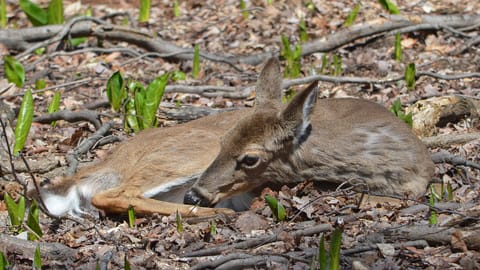
- Deer 101Why Is a Deer Blind or Circling? Signs and CausesBlind or circling deer may reflect injury, neurologic disease or severe illness, including late hemorrhagic disease. Here is what to look for and report.
- Deer 101Deer Blow and Snort-Wheeze: What Alarm and Challenge Vocalizations MeanWhitetails blow when alarmed and may snort-wheeze to challenge other bucks. Here is what each vocalization means and why it will not call in every buck.
- Deer 101What Eats Dead Deer? Coyotes, Eagles and ScavengersEHD die-offs and winter kills leave carcasses that feed coyotes, eagles and other scavengers. Here is what Wisconsin DNR says about those deer carcasses.
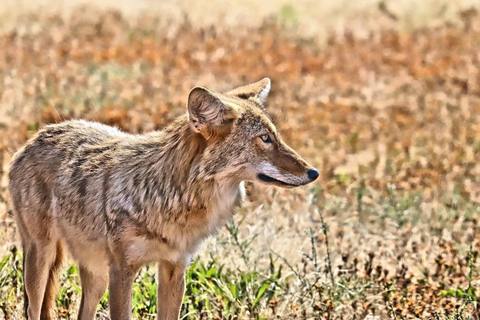
- Deer 101What Deer Diseases Are in Michigan Right Now?Michigan deer disease in 2026: DNR CWD and bovine TB results through Nov. 20, the first farmed-deer CWD case in Roscommon County, EHD counties and testing.
- Deer 101What Deer Disease Is in Ohio Right Now, and Where?Deer disease in Ohio for 2026: where EHD hit, which counties ODNR lists for CWD, the 2026-27 testing and bait rules in the DSA, and how to report a sick deer.
- Deer 101What Deer Diseases Are in Pennsylvania?Deer disease in PA: chronic wasting disease is in 11 wildlife management units. What the Game Commission bans, how free CWD testing works, and the 2026 changes.
- Deer 101How Well Do Deer Hear Compared to Humans?Deer don't hear "ten times better" in every way, but their hearing favors frequencies matter for survival. Here is what University of Georgia research found.
- Deer 101What Causes Scours in Fawns? Bacteria, Viruses and ParasitesFawn diarrhea involves bacteria, viruses and parasites that wildlife labs sort from fresh samples. Here is why hunters should report dead fawn clusters.
- Deer 101Why Does a Buck Grow a Deformed Antler Every Year?The pedicle is the permanent base that grows each antler. Damage to it is the main cause of recurring one-sided antler deformities. Here is how it happens.
- Deer 101Deer Senses: How Whitetails Hear, See and SmellDeer senses explained with the research: how high whitetails hear, what two-color vision means, whether they hear trail cams, and if scent control works.
- Deer 101Bot Fly Larvae Under Deer Hide: When They Show UpSkin bot flies leave larvae under deer hide that hunters nick while skinning, unlike nasal bots. Here is their life cycle and what it means for venison.
- Deer 101Which Tick Species Should Deer Hunters Know?Hunters should know the ticks tied to the diseases they face: lone star ticks for alpha-gal and blacklegged ticks for Lyme. Here is how to identify them.
- Deer 101What Are Deer Ticks? ID, Bites and Where They LiveDeer ticks ride on whitetails, but deer don't give you Lyme disease. Here's the tick life cycle, when adults peak in deer season, and how hunters stay clean.
- Deer 101Can Deer Ticks Give You Lyme Disease, and How Worried Should Hunters Be?Deer ticks and Lyme disease, explained for hunters: how long a tick has to bite, why deer don't carry Lyme, field-dressing risk, symptoms and what really works.
- Deer 101How Deer Trails Spread CWD and SeedsUSGS calls CWD contagious among cervids. Shared trails, scrapes and fence gaps concentrate nose contact. Here is how trail networks can spread disease.
- Deer 101Why Deer Use Wallows and Dust BathsWallows and dust baths are spots deer revisit for scent and comfort. Here is a look at why they matter for hunting and for disease hygiene under CWD rules.
- Deer 101Deer Wart vs Abscess vs Injury: Field Triage Before You TagNot every lump on a deer is the same problem. Here is a look at how Michigan DNR tells skin-only deer warts from abscesses and injuries before you tag a deer.
- Deer 101Do Bucks Travel Together?Do bucks travel together? Yes, in bachelor groups from late spring to early fall. Why bucks group up, why they split before the rut, and which ones leave.
- Deer 101Do Deer Drink Water?Do deer drink water? Texas Parks and Wildlife puts intake at 3 to 6 quarts a day, more in summer. How deer use ponds, plants and troughs, and why it matters.
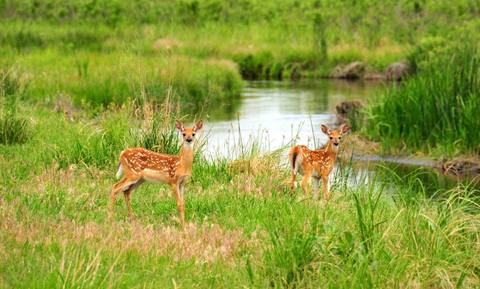
- Deer 101How Doe Family Groups Affect Where You Should HuntWhitetail does often live in related groups of mothers, daughters and sisters, called matrilines. Here is how that shapes where deer bed and how to hunt them.
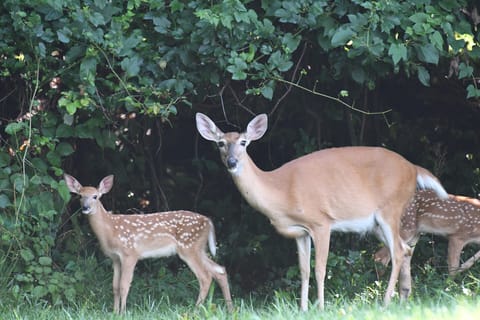
- Deer 101Do Does Stay in the Same Area Year After Year?Adult does are among most site-faithful large mammals. A Forest Service and University of Georgia study tracked 148 of them. Here is what it means for stands.
- Deer 101What Causes Double Beamed Antlers on Whitetails?Double-beamed antlers, a second main beam beside the first, count as abnormal or nontypical in antler science. Here is what causes them in whitetails.
- Deer 101What Causes Drop Tines on Deer? Biology vs MythDrop tines are abnormal points that grow downward from a beam or tine instead of rising. Here is what MSU and MU Extension say causes them, and the myths.
- Deer 101Detecting Deer With Water Samples: How eDNA WorksEnvironmental DNA in water samples can detect deer from shed cells where cameras fail, but presence is not abundance. Here is how eDNA sampling works.
- Deer 101What EHD Antibody Tests on Harvested Deer Tell BiologistsWisconsin DNR tracks EHD through reports of sick or dead deer and targeted sampling. Here is a look at what antibody surveys in harvested deer tell biologists.
- Deer 101What Should Hunters Do in an EHD Outbreak Year?EHD is a native deer virus spread by biting midges, not deer-to-deer contact. Here is how deer hunters can decide what to do during an EHD outbreak year.
- Deer 101EHD Serotypes in Deer: Why Blue Tongue Is More Than One VirusHunters call late-summer die-offs "blue tongue," but agencies split hemorrhagic disease into EHD and bluetongue viruses. Here is how the serotypes differ.
- Deer 101Can X-Rays of Growth Plates Tell a Deer's Age?Bone growth stops when growth plates ossify. Here is a look at what a study of captive whitetails found about using epiphyseal closure on X-rays to age deer.
- Deer 101When Do Fawns Lose Their Spots? Molt Timing ExplainedFawns lose their spots during the first molt into winter hair, usually around three to four months old, shifted by birth date. Here is what hunters misread.
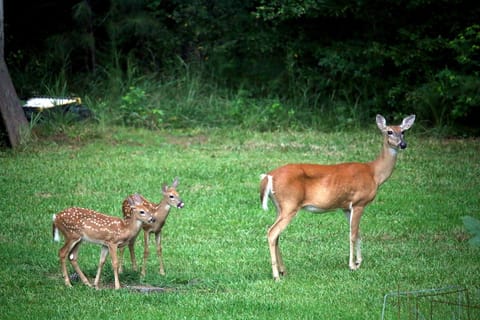
- Deer 101Does Doe Nutrition Change the Sex of Her Fawns?Trivers-Willard theory says well-fed mothers favor sons and poor-condition mothers favor daughters, but whitetail tests don't always fit. Here is the evidence.
- Deer 101Foot Rot in Deer: Hoof Lesions in Wet HabitatDeer in wet habitat can get hoof and foot infections hunters call foot rot. Here is what the lesions look like and why clusters of lame deer should be reported.
- Deer 101Whitetail Gestation Length: How to Back-Date ConceptionWhitetail gestation is a bit under seven months, usually cited as 190 to 210 days and often rounded to 200. Here's how to back-date conception from fawn births.
- Deer 101How GPS Collar Settings Shape Deer Movement StudiesGPS deer collars trade fix rate for battery life: 5-minute fixes drain faster than 2-hour fixes. Here is how that shapes what deer movement studies can cover.
- Deer 101How to Report an EHD Die-Off and Submit a Deer CarcassWhen several deer die at ponds in late summer, agencies need reports and sometimes tissue, not silent disposal. Here is how hunters can report a die-off.
- Deer 101EHD vs Bluetongue in Deer: How to Tell Them ApartEHD and bluetongue are closely related midge-borne viruses causing nearly identical hemorrhagic disease in deer. Here is how hunters can tell them apart.
- Deer 101How Do Deer Shed Their Antlers?How do deer shed their antlers? Falling testosterone sets cells loose on the bone at the base, and the antler drops. Timing by region and why bucks drop early.
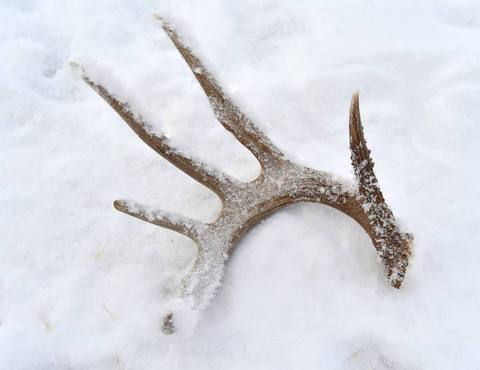
- Deer 101How Do Deer Sleep?How do deer sleep? In bouts of 30 seconds to a few minutes, often with eyes open and ears up. What GPS collars show about when and where whitetails rest.
- Deer 101How Much Does a Deer Weigh?How much does a deer weigh? State agency numbers for bucks, does and fawns by region, a field-dressed to live weight chart, and the truth about the 402-pound buck.
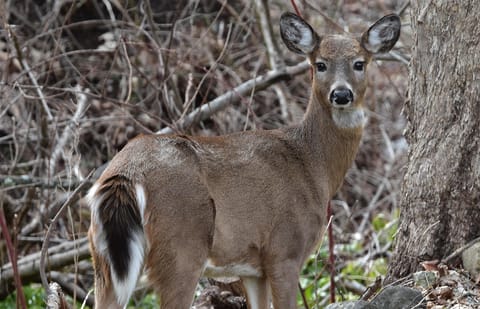
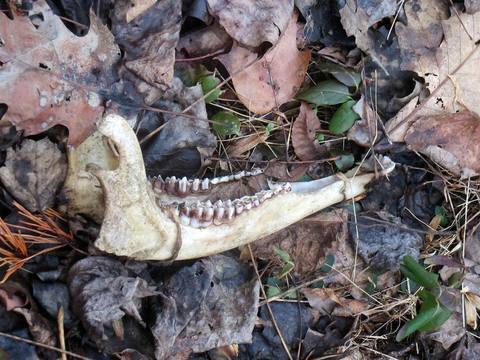
- Deer 101How Do You Age a Deer by Its Teeth?How to age a deer by its teeth: count the jaw teeth for fawns and yearlings, read the wear for adults, and why tooth-wear ages past 2.5 years are often wrong.
- Deer 101Where to Collect CWD Samples: Lymph Nodes and Brain StemOfficial CWD surveillance relies on IHC and ELISA tests of lymph node or brainstem tissue. Here is where those sample sites are and how they're collected.
- Deer 101How States Archive Tissue From Hunter-Harvested DeerUSGS CWD work depends on lab testing because the disease can spread before obvious signs. Here is how some agencies archive tissue from hunter-harvested deer.
- Deer 101Whitetail vs Mule Deer Hybrids: How to Identify ThemWhitetail-mule deer hybrids exist but are rare. Here is what Wyoming Game and Fish and the Mule Deer Working Group say about telling them apart in the field.
- Deer 101Interdigital Glands: How Deer Leave Scent in Their TracksGlands between a deer's toes leave chemical traces with every step. Here is what interdigital gland scent does and how deer use it on trails and at scrapes.
- Deer 101Lungworms in Deer: Coughing and Poor ConditionHeavy lungworm loads can add to coughing and poor condition in deer, especially under stress. Here is what lungworms do and when to report a sick deer.
- Deer 101Mange and Hair Loss in Deer: When to Report vs HarvestBare patches on a deer can mean mange, CWD or just molt. Michigan DNR says sarcoptic mange is rarely diagnosed in deer. Here is when to report or harvest.
- Deer 101How Rare Is a Melanistic (Black) Whitetail Deer?A melanistic whitetail has unusually dark brown to black hair from excess melanin. Here is how rare it is, according to NDA, and what hunters should know.
- Deer 101Meningeal Worm: Brainworm Risk Where Deer and Moose OverlapMeningeal worm cycles in whitetails with mild effects but can cause severe neurologic disease in moose. Here is the risk where deer and moose ranges meet.
- Deer 101Do Mineral Licks Spread CWD? What a Wisconsin Study FoundMineral licks concentrate deer and, in CWD country, can concentrate prions. Here is a look at what a study of mineral licks in a Wisconsin CWD zone found.
- Deer 101Nasal Bots in Deer: Gross but Mostly Harmless for HuntersNasal bots are fly larvae develop in deer nasal and throat passages. Michigan, Wisconsin and Indiana DNR call them common. Here is why they're mostly harmless.
- Deer 101Found a Fawn Alone? Why It Usually Isn't AbandonedA lone bedded fawn is usually running an antipredator program, not waiting for rescue. Here is what University of Georgia's Deer Lab says about newborn fawns.
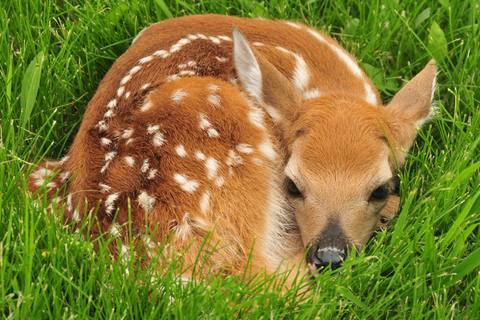
- Deer 101How Winter Deer Yards Concentrate NutrientsMSU says winter is when food is scarcest for northern wildlife. Here is how deer yards pack dung and browse into nutrient hotspots that shape the forest.
- Deer 101When Do Whitetails Change Coats, and Why?Whitetails swap coats on a light calendar more than a thermometer. Here is what Maryland DNR says about their two coats and how day length times the change.
- Deer 101Piebald Whitetail Deer: Genetics, Legality, and Hunter EthicsA piebald whitetail isn't diseased and isn't a true albino. Here is what Maryland DNR says about the genetics, legality and ethics of hunting piebald deer.
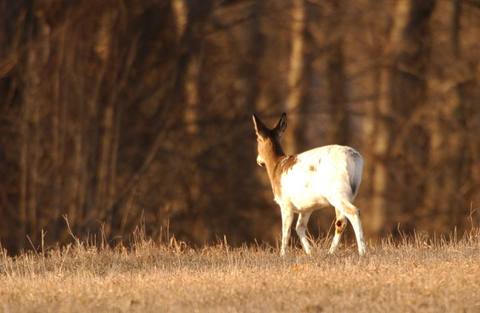
- Deer 101Coyotes, Bears and Fawn Survival: What Studies ShowPeer-reviewed neonate studies show coyotes can dominate fawn mortality in parts of the Southeast; recruitment drops show up later in antlerless planning.
- Deer 101Why Deer Rub Their Preorbital Glands and ForeheadsDeer rub preorbital glands near the eyes and forehead skin on twigs, leaving scent for social recognition and marking. Here is how forehead marking works.
- Deer 101White Specks in Deer Meat: What Is Sarcocystis?Hunters sometimes find white rice-grain specks, sarcocysts, in deer muscle. Here is a look at what they are and why venison still needs to be cooked to 160°F.
- Deer 101Scavengers and CWD Prion Movement Across the LandscapeUSGS work shows scavengers can shed detectable CWD prions in feces while environmental persistence drives long epidemics.
- Deer 101How Testosterone Times a Mature Buck's Antler CycleFor mature bucks, antler calendars are testosterone calendars. Here is what the Pennsylvania Game Commission says about seasonal testosterone and velvet.
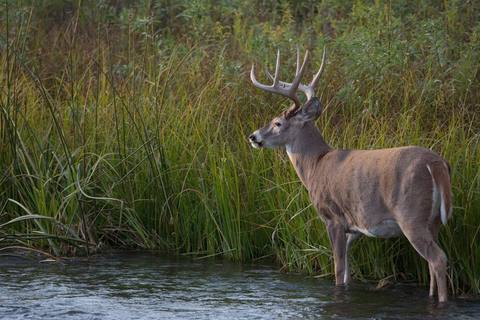
- Deer 101Are Spike Bucks Bad Genetics? What Studies FoundThe spike-as-genetic-trash myth falls apart under controlled research. Here is what Comanche Ranch and other Texas studies covered by NDA actually found.
- Deer 101Does Feeding Deer Spread CWD and Other Diseases?Feeding and baiting pull deer into tight spacing where saliva, urine, feces and feed share pathogens. Here is what Wisconsin DNR says about disease risk.
- Deer 101What Does a Deer's Tarsal Gland Do During the Rut?Tarsal glands sit inside a deer's hind legs, and in the rut bucks rub-urinate over them. Here is how tarsal chemistry works at scrapes and in deer signals.
- Deer 101Theileria in Deer: The Tick-Borne Blood Parasite ExplainedTheileria and related piroplasms show up in deer health notes as tick-borne blood parasites. Here is what they are and why confirmation takes a lab test.
- Deer 101How Often Do Does Have Twins or Triplets?In good habitat, healthy adult does commonly carry twins and some carry triplets. Here are the fawn productivity metrics managers use, per the NDA's reporting.
- Deer 101Why Velvet Antlers Are Easily Injured in SummerSummer bucks grow antlers wrapped in velvet with a rich blood supply and sensitive tissue. Here is a look at why velvet antlers are fragile and easily injured.
- Deer 101How Well Do Deer See? What Eye Studies Show HuntersBehavior tests show deer are motion detectors more than detail readers. Here is what eye studies on adult does found about deer visual acuity for hunters.
- Deer 101Why Do Whitetail Deer Act the Way They Do?Why whitetail deer act the way they do: why they snort and run, pant and chew cud, why does stay in family groups, why bucks fight, and how pressure moves them.
- Deer 101Whitetail Subspecies Map: What It Means for HuntersWhitetails share one species name, Odocoileus virginianus, plus dozens of regional subspecies labels. Here is what a subspecies map means for hunters.
- Deer 101When Do Deer Put On Fat? Fall Body Condition ExplainedAutumn is when whitetails bank energy for winter. Here is what Southeastern Cooperative Wildlife Disease Study work on kidney fat says about body condition.
- Deer 101How Big Is a Whitetail's Home Range? GPS Collar FindingsHunters talk as if every buck owns a fixed 640-acre box. Here is what GPS collar studies show about whitetail home range size by sex, season and habitat.
- Deer 101How Do Deer See in Low Light? The Tapetum LucidumEye shine is a reflector at work. Here is a look at what the Pennsylvania Game Commission says about the tapetum lucidum and how deer see in low light.
- Deer 101How Too Many Deer Change Eastern Forests and WildlifeMSU says science shows deer overabundance causes ecological havoc. Here is how whitetail browsing cascades through eastern forests and the wildlife in them.
- Deer 101Why Do Deer Freeze in Headlights?Why deer freeze in headlights: eyes built for low light, trouble judging an oncoming car, and a USDA light bar that cut risky reactions from 35% to 10%.
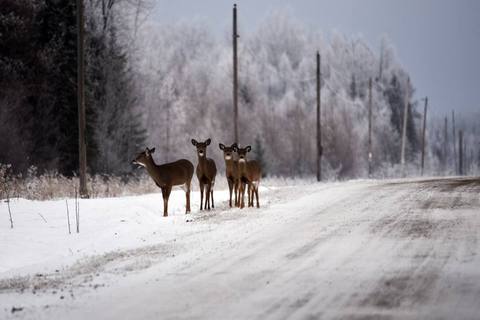
- Deer 101Why Some Bucks Stay in Velvet Into FallMost healthy bucks shed velvet in late summer so hard antlers are ready for the rut, but a few stay in velvet into fall. Here is the hormone story behind it.
- Deer 101Deer Winterkill: Signs of Starvation vs DiseaseWinterkill is energy failure written on the carcass. Here is a look at what Michigan DNR says about starvation signs, from empty fat depots to bone marrow.
- Deer 101Wolf and Whitetail Overlap: What Northern Hunters Should ExpectGray wolves and whitetails share northern Minnesota and Wisconsin forests, and hunter frustration often outruns the evidence. Here is what hunters can expect.
- Deer 101Why Do Yearling Bucks Leave Home? Buck Dispersal ExplainedMany yearling bucks don't grow up where they were born; telemetry shows many leave and settle miles away. Here is why young bucks disperse and what it means.

