Habitat
Bedding, cover, water, edge, and managing ground for deer.
Guides
- GuideDo Whitetail Deer Migrate? Winter Moves, Yards and DispersalDo whitetail deer migrate? In snowy northern forests, many do: Michigan says up to 50 miles to wintering areas. Elsewhere, young bucks disperse instead.
- GuideHow to Read a Topographic Map for Deer Hunting: Saddles and BenchesHow to read a topographic map for deer hunting: learn what contour spacing means, then find saddles, benches and funnels where terrain steers deer movement.
- GuideWhen to Cut Clover Food Plots: Once in Late Summer, Not All SummerWhen to cut clover food plots: University of Tennessee research says once in late summer as weeds flower, before fall spraying. Skip hot, dry spells too.
- GuideAlfalfa for Southern Deer Food Plots: Varieties and Seeding RatesAlfalfa is the costly, high-management perennial on Mississippi State's deer plot poster. Here are the varieties it lists, seeding rates and where it fits.
- GuideAllegheny National Forest Deer Hunting: Seasons and RulesAllegheny National Forest deer hunting follows Pennsylvania Game Commission seasons, with Forest Service rules on shooting, stands and cameras. Here's how.
- GuideAlyceclover for Deer: A Summer Food Plot Cover CropAlyceclover is the summer ground cover Mississippi State uses between spring legumes and fall plots. Here are its planting window and seeding rate for deer.
- GuideMule Deer Hunting in Angeles National Forest: Where It's LegalAngeles National Forest allows mule deer hunting, but only where county, state and federal discharge rules permit it. Here is where you can and can't hunt.
- GuideAngelina and Davy Crockett National Forest Deer Hunting RulesDeer hunting on Angelina and Davy Crockett National Forests follows Texas seasons, with strict Forest Service stand and baiting rules. Here is what applies.
- GuideHow to Bring Old Apple Trees Back for DeerOld apple trees can feed deer again with sunlight, pruning and protection. Minnesota Extension says they need 8 hours of sun and two varieties to pollinate.
- GuideArrowleaf Clover for Deer Plots: How It Reseeds Each YearMississippi State lists arrowleaf clover as an annual legume planted Sept. 1 to Oct. 15 at 8 lb per acre. Here is how it reseeds in multi-year deer plots.
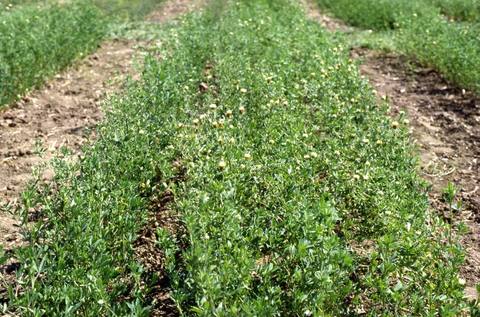
- GuideAspen Clearcuts for Deer: Great Lakes Regrowth TimelineQuaking aspen answers a clearcut with a flush of root suckers that Great Lakes deer feed on. Here is the regeneration timeline from the Forest Service's FEIS.
- GuideBalansa Clover for Deer Plots: How Cold Hardy Is It?Mississippi State lists balansa clover as an annual legume in its Southeast cool-season block. Here are its cultivars and how it handles cold in deer plots.
- GuideBankhead National Forest Deer Hunting RulesBankhead National Forest deer hunting follows Alabama seasons plus federal safety and stand rules. Here is what the National Forests in Alabama require.
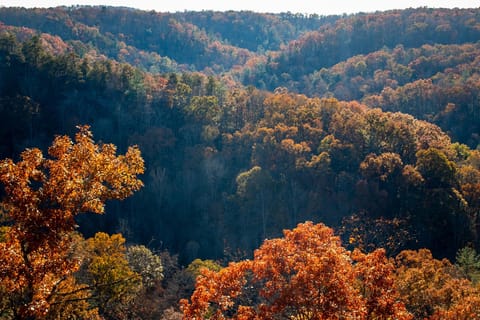
- GuideDo Bucks Choose Bed Sites for Thermal Cover? GPS ResearchDeer don't bed at random. A Texas GPS study of adult bucks tested whether summer bed sites were chosen for thermal cover more than forage or concealment.
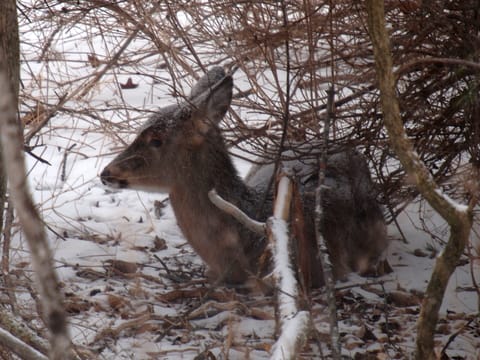
- GuideBerseem Clover for Deer Plots: One Season of Forage and NitrogenBerseem clover gives one cool season of forage plus a nitrogen flush, not a multi-year stand. Here is how Mississippi State fits it into Southeast deer plots.
- GuideHow Many Fawns Do Black Bears Kill? Michigan Study FindingsWhere black bears are common, they can dominate fawn kills. A Michigan Upper Peninsula study of 100 fawns found low six-month survival. Here is what it found.
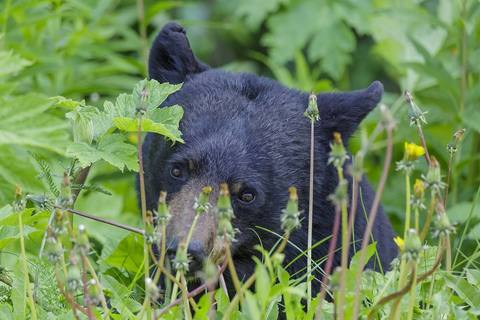
- GuideBob Oats for Deer: Planting for Green Forage Before the RutBob oats are an early-fall grain on Mississippi State lists when you need green forage up before the rut. Here are the varieties and planting windows.
- GuideWhat Goes in a Good Brassica Food Plot Mix?What belongs in a brassica food plot mix, when to plant it, and why deer often ignore it until late fall. Tennessee research says frost isn't the reason.
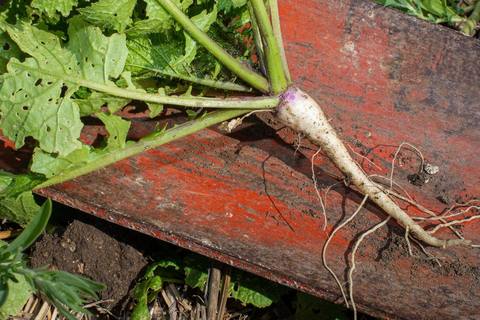
- GuideBuckwheat as a Quick Summer Cover Crop for Deer PlotsMississippi State uses buckwheat as a fast warm-season cover between cash crops or plantings. Here is how it fills a gap and feeds deer in the meantime.
- GuideCanola for Deer Plots: Browse and Winter Cover in OneMississippi State lists canola with the brassicas as both leafy browse and winter soil cover. Here is how to use it in a deer plot with the right partners.
- GuideBiological vs Cultural Carrying Capacity for DeerAgencies manage deer toward goals that balance biological carrying capacity with cultural carrying capacity, what people will tolerate. Here is the difference.
- GuideChattahoochee-Oconee National Forest Deer Hunting RulesChattahoochee-Oconee National Forest deer hunting follows Georgia DNR seasons plus Forest Service discharge buffers in both units. Here is how it works.
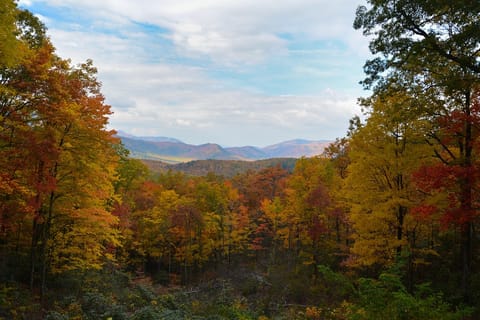
- GuideDeer Hunting in Chequamegon-Nicolet National ForestChequamegon-Nicolet National Forest deer hunting follows Wisconsin DNR seasons plus Forest Service access and stand rules. Here is what decides where you hunt.
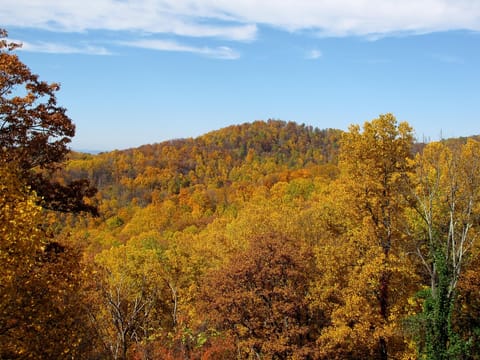
- GuideCherokee National Forest Deer Hunting in East TennesseeCherokee National Forest deer hunting is cooperatively managed: TWRA sets seasons and the Forest Service manages habitat in East Tennessee. Here's how it works.
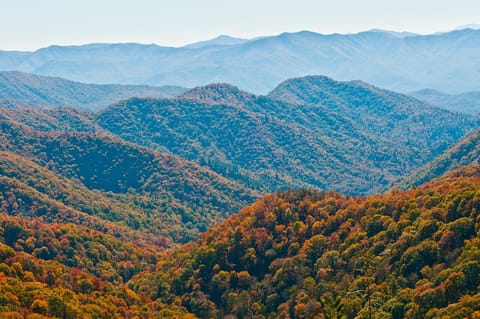
- GuideAmerican Chestnut Restoration: What It Means for DeerAmerican chestnut restoration is a decades-long habitat bet. Chestnut mast once fed deer nearly every year. Here is what blight and deer browse mean for it now.
- GuideHow Long Does a Chicory Plot Last Under Deer Pressure?Mississippi State classes forage chicory as a perennial forb that lasts years on deer ground only when rest protects the taproot. Here is how to manage a stand.
- GuideChippewa National Forest Deer Hunting: Stand and OHV RulesChippewa National Forest deer hunting follows Minnesota DNR seasons plus Forest Service stand, structure and OHV rules. Here is what makes a setup legal.
- GuideHow Long Do CWD Prions Last in Soil?CDC and USGS describe CWD prions as highly persistent in the environment compared with many other pathogens. Here is what that means for prions in soil.
- GuideHow to Hunt Deer in Clearcuts and Regenerating ForestYoung clearcuts grow stems, forbs and cover deer use heavily for several years after harvest. Here is how to hunt regenerating forest, per extension research.
- GuideHow Clearcut Size and Shape Affect Deer UseClearcuts reset browse, but size and stage decide whether deer stay. Here is what the Forest Service's FEIS says about clearcut size, shape and deer use.
- GuideHow Do You Plant a Clover Food Plot That Lasts?A clover food plot can feed deer for four or five years if you pick the right clover, fix the pH first and quit mowing it every weekend. Extension rates inside.
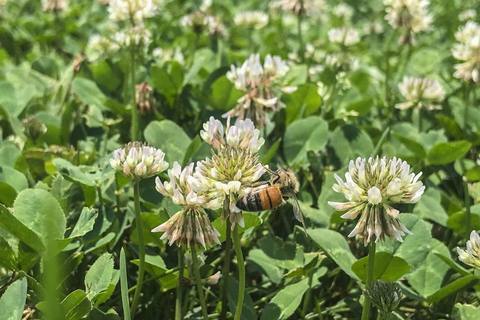
- GuideHow to Fertilize a Clover Food Plot Using a Soil TestClover food plot liquid fertilizer: soil-test first; nodulated clover needs little nitrogen - match lime, P, and K to Extension rates, not bottle labels.
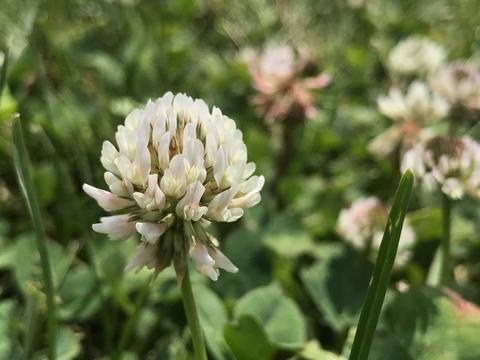
- GuideHow to Set Up a Deer Management Co-op With NeighborsDeer home ranges exceed most ownerships, so harvest and habitat goals need neighbors. Here is how written cooperative boundary agreements help deer clubs.
- GuideCoues Deer Hunting: Where They Live, How to Hunt ThemCoues deer are Arizona's small mountain whitetails, managed as white-tailed deer and most common in the southeast. Here are habitat, tactics and scoring.
- GuideWhy Multi-Species Food Plot Mixes Hold Up BetterPlot resilience comes from plant functions that complement each other, not from how many seed bags you use. Here is what Mississippi State says about blends.
- GuideWhich Cover Crops Do Deer Eat After Harvest?Cover crops pay twice when one planting builds soil and feeds deer. Here is what University of Missouri Extension says about cover crop mixes for wildlife.
- GuideDoes Trapping Coyotes Increase Fawn Survival?Coyote control isn't a guaranteed fawn switch. Here is what a Georgia experiment on two WMAs found when it tracked coyote numbers and fawn recruitment.
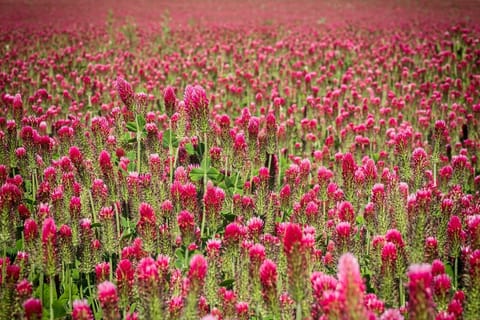
- GuideCrimson Clover vs Clover Blends for Deer Food PlotsMississippi State lists crimson clover as an annual cool-season legume with Dixie, Tibbee, AU Robin and Flame cultivars. Here is how it compares with mixes.
- GuideHow to Release Oak Trees for More Acorns for DeerCrop tree release frees chosen oaks so their crowns grow and mast potential rises. Here is a look at how the Forest Service defines it and how it helps deer.
- GuideCan You Hunt Deer on CRP Land? Access and EtiquetteCRP acres are private land under a USDA contract. Federal rules allow hunting that follows state seasons, but you still need permission. Here is the etiquette.
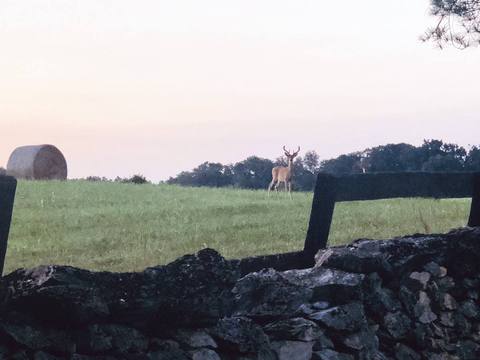
- GuideDeer Hunting in Daniel Boone National Forest, KentuckyDaniel Boone National Forest deer hunting follows Kentucky seasons plus Forest Service safety and stand rules that are easy to miss. Here is what applies.
- GuideDo More Suburban Deer Mean More Ticks?MSU says suburban deer that aren't hunted grow very tolerant of people, and higher deer density often means more ticks. Here is what the research shows.
- GuideWhere Do Deer Bed? What GPS Collars Say About Deer BeddingDeer bedding, from GPS collars: one Mississippi buck used 87 bedding areas in one season. Where whitetails bed by sex and season, and how to find beds.
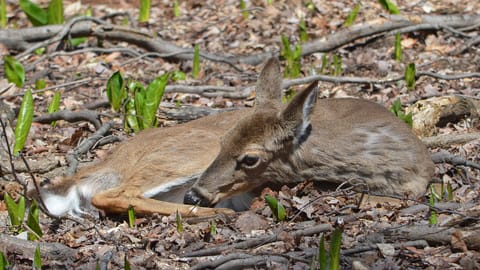
- GuideWhat's the Best Deer Bedding Grass, and How Do You Grow It?Deer bedding grass, by the USDA plant guides: switchgrass, big bluestem and Indiangrass, the seeding rates NRCS gives, and how to get cover without planting.
- GuideWhat Eats Dead Deer? Coyotes, Eagles and ScavengersEHD die-offs and winter kills leave carcasses that feed coyotes, eagles and other scavengers. Here is what Wisconsin DNR says about those deer carcasses.
- GuideDo Deer Spread Invasive Plants on Your Property?MSU says deer treat landscapes like salad bars, and that foraging also moves invasive plant seeds around. Here is a look at how deer spread invasive plants.
- GuideHow Deer Trails Spread CWD and SeedsUSGS calls CWD contagious among cervids. Shared trails, scrapes and fence gaps concentrate nose contact. Here is how trail networks can spread disease.
- GuideWhy Deer Use Wallows and Dust BathsWallows and dust baths are spots deer revisit for scent and comfort. Here is a look at why they matter for hunting and for disease hygiene under CWD rules.
- GuideDelta National Forest Mississippi Deer Hunting GuideDelta National Forest deer hunting follows Mississippi MDWFP seasons plus National Forests in Mississippi safety rules, including blaze orange. Here is how.
- GuideDo Deer Eat Apples?Do deer eat apples? Yes. Extension and agency sources list apples as a fall soft-mast food. Here's why deer want them, what they provide and where it's illegal.
- GuideEagle Claw Soybeans: How They Handle Deer BrowseEagle Claw is on Mississippi State's wildlife soybean list for managers who want a browse bean, not a grain monoculture. Here is how it handles deer browse.
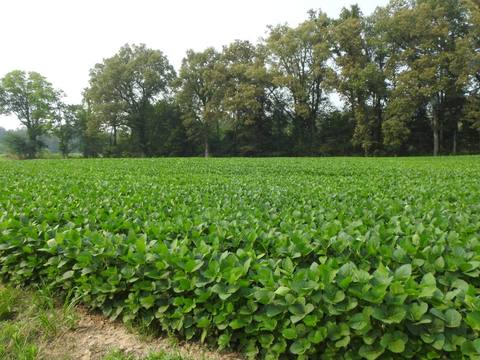
- GuideElbon Rye for Deer Plots on Erodible SlopesElbon cereal rye is Mississippi State's go-to small grain for deer plots on erodible ground. Here's how its roots hold slopes and which varieties it pairs with.
- GuideHow Exclosure Fences Measure Deer Browse DamageFenced exclosures beside open plots make deer browse damage obvious: inside regrows, outside often doesn't. Here is how exclosure studies measure impact.
- GuideFeral Hogs at Deer Bait Sites: Disease and CompetitionWhere bait concentrates deer, wild pigs show up for the same calories. Here is what Texas Parks and Wildlife says about hogs, deer, disease and competition.
- GuideWhy Did My Food Plot Fail? Soil, Shade and BrowseMost failed deer plots die from skipped agronomy: no soil test, wrong pH, too much shade, or deer and weeds eating seedlings. Here is how to find the cause.
- GuideWhat Food Plot Fertilizer Should You Use?The best food plot fertilizer is the one your soil test calls for. Here's how to read N-P-K, why lime goes on first, and the bag math for a small hunting plot.
- GuideWhich Food Plot Seeder Do You Actually Need?Which food plot seeder fits a small plot? Broadcast vs drill vs no-till, why seed depth kills more plots than bad seed, and how to build a drag from a fence.
- GuideWhat Years of Tilling Do to Food Plot SoilYears of disking one deer plot leave a biological debt in the soil. Here is a look at what Mississippi State says about soil biology after long-term tillage.
- GuideFoot Rot in Deer: Hoof Lesions in Wet HabitatDeer in wet habitat can get hoof and foot infections hunters call foot rot. Here is what the lesions look like and why clusters of lame deer should be reported.
- GuideDeer Browse Lines and Forest Regeneration: What to DoA browse line and missing seedlings signal deer density above what regenerating hardwoods can tolerate; antlerless harvest and fencing are the usual silvicultu.
- GuideWhen to Frost Seed Clover for Deer by RegionFrost seeding puts clover on frozen ground so freeze-thaw cycles work seed into the soil. Here is the timing window by region from Kentucky Extension.
- GuideGeorge Washington and Jefferson National Forests Deer HuntingGeorge Washington and Jefferson National Forests deer hunting follows Virginia DWR seasons with Forest Service overlays, including Sunday rules. Here is how.
- GuideDoes Grain Sorghum Feed Deer After the First Frost?Grain sorghum earns its keep late when seed heads still stand after frost flattens tender forages. Here is what Mississippi State lists for deer plots.
- GuideShopping the Great American Outdoor Show Habitat HallThe Great American Outdoor Show habitats hall packs seed vendors, plot equipment and seminars. Here is how to shop it without buying into a deer monoculture.
- GuideDeer Hunting Great Swamp National Wildlife Refuge in NJGreat Swamp National Wildlife Refuge sits 26 miles from New York City on about 7,855 acres, and deer hunts need state and refuge permits. Here is how it works.
- GuideCan Herbicide Carryover Kill Your Food Plot?Last year's corn or soybean herbicide can wipe out this year's clover and brassicas. Here is what Vermont Extension says about herbicide carryover in plots.
- GuideWhat Is Hinge Cutting Trees, and When Does It Actually Help Deer?Hinge cutting trees puts browse and cover at deer level fast. Which species to cut, how high, when, what a new Tennessee study found, and when it backfires.
- GuideHomochitto National Forest Deer Hunting in MississippiHomochitto National Forest deer hunting follows Mississippi MDWFP seasons, with Forest Service overlays on Wildlife Management Areas. Here is what applies.
- GuideHoney Locust and Thorny Cover for Deer: Pros and ConsHoney locust thickets can screen deer travel and bedding and drop sweet pods deer eat, but they also invade pastures. Here is how to weigh thorny cover.
- GuideHunting Land for Lease: What It Costs and Where to Find ItHunting land for lease runs about $20 to $28 an acre in the latest university surveys. What it costs, where to find it and how to spot a fake hunting lease.
- GuideWhere to Find Deer Hunting Land in Upstate New YorkUpstate New York deer hunting land usually means DEC Wildlife Management Areas, state forests and WMU season maps. Here is how to find public ground there.
- GuideWhat Should a Hunting Lease Agreement Include?Hunting lease examples, clause by clause, from university and state sample leases: what the agreement must cover, who is liable, and six questions to ask first.
- GuideDeer Hunting the Huron-Manistee National ForestsDeer hunting on the Huron-Manistee National Forests follows Michigan DNR seasons and licenses with Forest Service safety rules. Here is a look at what applies.
- GuideHow to Inoculate Clover Seed for Deer Food PlotsClover without the right rhizobia is just a green weed competing with your brassicas. Here is how USDA NRCS says to inoculate legumes in deer food plots.
- GuideIs Bush Honeysuckle Good or Bad for Deer?Asian bush honeysuckles look like instant deer cover, but extension foresters treat them as invaders to remove. Here's how they work as a browse trap and cover.
- GuideIron and Clay Cowpeas: A Summer Protein Plot for DeerIron and Clay cowpeas are Mississippi State's midsummer protein workhorse when deer need leafy legumes after cool-season plots fade. Here is how to plant them.
- GuideIs Hunting Land a Good Investment?Is hunting land a good investment? USDA says farm real estate rose 3.4% in 2026, 0.4% after inflation. What leases, timber and upkeep add. Data, not advice.
- GuideJointvetch for Deer: Where This Summer Legume FitsAmerican jointvetch, sold as deer vetch, is the warm-season reseeding legume Mississippi State places where deer pressure is high. Here is where it fits.
- GuideWhen Do Deer Eat Kale? Late-Season Grazing TimingKale is the brassica managers keep for late whitetails once frost has sweetened the stems and early oats are gone. Here is when deer start grazing kale stems.
- GuideLablab and Cowpeas for Southern Deer Plots: How to PlantSouthern deer managers turn to warm-season legumes when clover and brassicas fade. Here are Mississippi State's planting specs for lablab and cowpeas.
- GuideDoes Lablab Need a Climbing Crop in Deer Plots?Lablab is a drought-tolerant warm-season vine Mississippi State plants with a tower crop, not as a flat monoculture. Here is the climbing structure it needs.
- GuideLadino Clover for Deer: Protecting Grazing HeightLadino white clover is a long-season perennial carpet on Southeast deer plots when grazing height is protected. Here is how Mississippi State says to manage it.
- GuideHow to Map Deer Cover With LiDAR Canopy DataUSGS 3DEP lidar maps land and forest structure nationwide. Here is how standardized canopy metrics from lidar help hunters map the cover and edges deer use.
- GuideHow to Lime Acidic Soil for Clover and Brassica PlotsSoil pH is the first fertility lever for clover and brassica deer plots, per Ohio State Extension. Here is how to lime acidic soils for deer food plots.
- GuideManure vs Fertilizer on Clover Food PlotsMississippi State's liming and fertilizing guide for food plots starts with a soil test, not a preference for manure or bagged fertilizer. Here's how they rank.
- GuideMeningeal Worm: Brainworm Risk Where Deer and Moose OverlapMeningeal worm cycles in whitetails with mild effects but can cause severe neurologic disease in moose. Here is the risk where deer and moose ranges meet.
- GuideHow Deep to Plant Clover Seed With a No-Till DrillSmall clover seed fails more often from planting too deep than from low rates. Here is what Georgia Extension says about no-till coulter and seed depth.
- GuideNo-Till Versus Conventional Tillage for Deer Food PlotsChoosing a disk or a no-till drill changes more than tractor hours. Here is how Mississippi State compares conventional and no-till tillage for deer food plots.
- GuideHow Winter Deer Yards Concentrate NutrientsMSU says winter is when food is scarcest for northern wildlife. Here is how deer yards pack dung and browse into nutrient hotspots that shape the forest.
- GuidePersian Clover for Wet Deer Food PlotsPersian clover is the cool-season annual Mississippi State points to for deer openings on heavy clay or poorly drained ground. Here is how to plant it.
- GuideFeathered Edges vs Hard Timber Lines on Food PlotsHard timber lines, abrupt walls of mature trees against a plot, push deer to use edges only at night. Here is how MU Extension says to feather plot edges.
- GuideCoyotes, Bears and Fawn Survival: What Studies ShowPeer-reviewed neonate studies show coyotes can dominate fawn mortality in parts of the Southeast; recruitment drops show up later in antlerless planning.
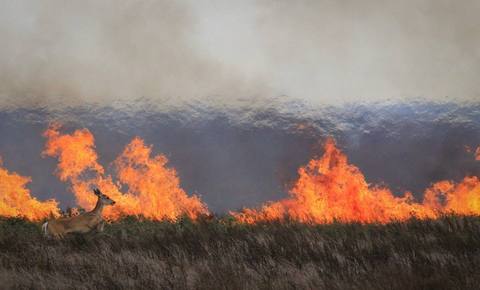
- GuideWhen to Burn for Better Deer BrowseExtension and agency guidance show whitetails prosper after disturbances like prescribed fire that reset browse and forbs. Here is how to time burns for deer.
- GuideHow to Read Phosphorus and Potassium on a Food Plot Soil TestDeer plot soil tests are useless if you can't read the P and K lines. Here is how Penn State's soil-test guide explains phosphorus and potassium results.
- GuideHow Long Does Red Clover Last Under Heavy Deer Browse?Red clover's multi-year reputation depends on where you plant it and how hard deer hit the crowns. Here is what Mississippi State says about its longevity.
- GuideHow Deer Browsing Causes Stream Bank ErosionWhen deer strip shrubs along streams, banks lose root support, part of the damage MSU links to overabundance. Here is how riparian browse leads to bank failure.
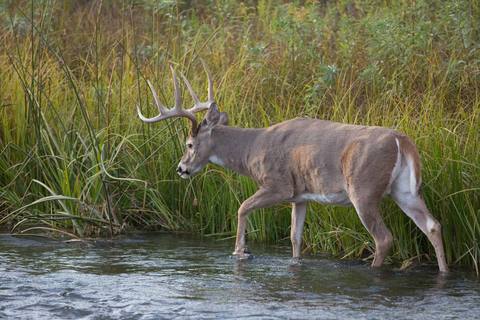
- GuideRiver Corridor Whitetails: Travel Routes and Stand PlacementRiver corridors concentrate deer travel because water, cover and edge browse line up in a narrow ribbon. Here is how to read travel routes and place stands.
- GuideDeer Habitat at the Safari Club International ConventionSafari Club International's Annual Hunters' Convention is a major conservation and hunting industry event. Here are notes on its deer habitat content.
- GuideHow Big Should a Deer Sanctuary Be on Your Property?MSU says deer home ranges usually exceed private parcels, limiting what one owner can change. Here is how to size a sanctuary core against your acreage.
- GuideClover and Oat Seeding Rates for Deer PlotsMSU rates oats far heavier than clover; cut both when oats nurse a new clover seeding so the grass does not smother legumes.
- GuideHow Deer Respond to Shelterwood Timber CutsShelterwood and retention cuts keep partial canopy while boosting understory forage. Here is what a USDA Forest Service summary found about how deer respond.
- GuideSoft Mast Shrubs to Plant for Deer: Extension ListsAnnual food plots fade, but fruiting shrubs feed deer for decades. Here's the soft-mast shrub list from University of Missouri Extension for wildlife plantings.
- GuideLow Potassium and Lodging in Deer Food PlotsPotassium levels on a soil test decide whether deer-plot stems stand or lodge. Here is how Mississippi State's liming and fertilizing guide sets K floors.
- GuideSorghum Screening Cover for Deer SanctuariesGrain sorghum can screen sanctuary edges while producing seed heads deer use in fall. Here's what Mississippi State's planting guide says about screening cover.
- GuideDoes Your Clover Plot Need Sulfur on Sandy Soils?Sulfur can limit clovers and other forages on sandy Coastal Plain soils even when N and P look fine. Here is what Mississippi State says about sulfur.
- GuideSunflowers in Deer Plots: Trellis for Climbing ForagesSunflowers on Mississippi State's deer plot poster are a trellis crop first. Here is how sunflower rows support climbing forages rather than feeding deer.
- GuideHow to Hunt Whitetails in Swamps and River BottomsBottomland hardwoods, beaver floodings and river swamps hide deer that never show on hilltop oak flats. Here are tactics for swamp and bottomland whitetails.
- GuideTall Fescue and Deer: Why to Convert Kentucky 31 FieldsKentucky 31 tall fescue's wild endophyte makes ergot alkaloids that cause fescue toxicosis. Here is why it's poor deer forage and how to convert fescue fields.
- GuideWhat Is Timber Stand Improvement for Deer?Timber stand improvement for deer: thinning, crop tree release, girdling and fire, how much forage they add, and which trees to cut or keep, per extension.
- GuideTriticale vs Winter Wheat for Late-Season Deer PlotsTriticale and winter wheat share the cool-season cereal slot on southern deer plots, but they aren't twins. Here is how they compare for late-season deer.
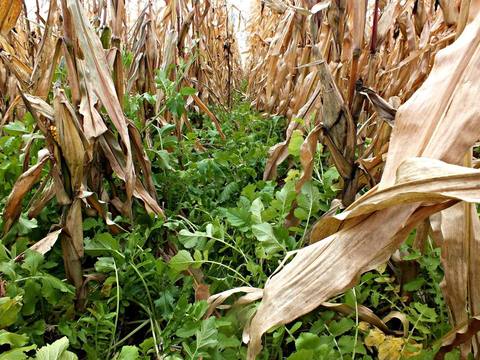
- GuideTurnips vs Rape vs Kale: Which Brassica for Deer?Mississippi State groups rape, kale, turnip and canola as cool-season brassicas for deer plots. Here is a look at how turnips, rape and kale differ for deer.
- GuideLeaving Standing Corn Strips for Winter Deer Food and CoverMSU rates wildlife corn for drilled rows only; leave-strips keep grain and vertical cover into winter when harvest skips selected rows.
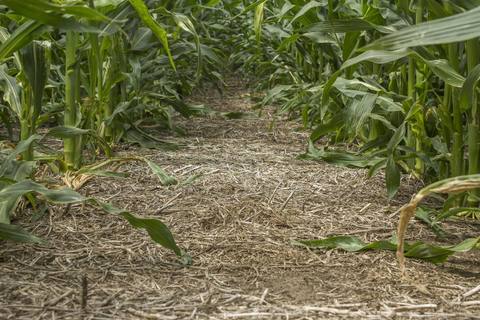
- GuideHow Urban Deer Change Their Behavior After DarkMSU says deer are mostly night-active but can shift to daytime activity in suburbs. Here is how urban deer adjust their behavior around people after dark.
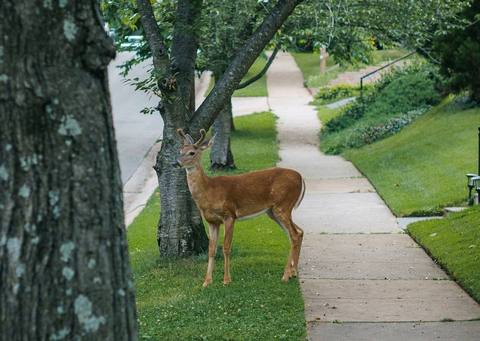
- GuideWarm-Season Food Plots for Both Doves and DeerMississippi State's planting manuals already list warm-season crops that serve both doves and deer. Here is how to plan warm-season mixes for the overlap.
- GuideInoculant Groups for Warm-Season Legume Deer PlotsThe wrong Rhizobium on a warm-season deer plot is an expensive failure. Here is how Mississippi State's planting guide assigns inoculant groups to legumes.
- GuideWhat Do White Oak Acorns Look Like, and When Do They Drop?White oak acorns: the leaf, bark and cap that tell a white oak from a red, when the acorns drop, why some years there are none, and which white oaks deer hit first.
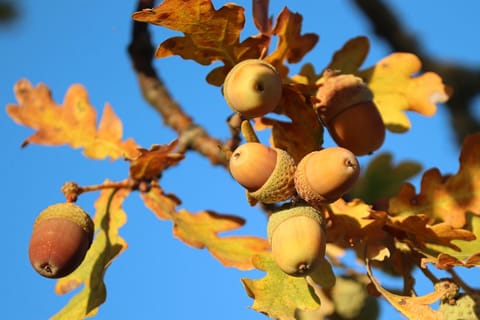
- GuideHow Too Many Deer Change Eastern Forests and WildlifeMSU says science shows deer overabundance causes ecological havoc. Here is how whitetail browsing cascades through eastern forests and the wildlife in them.
- GuideAustrian Winter Peas in Deer Plots: Seeding RatesMSU Extension rates Austrian winter peas at 30 lb/acre drilled or 50 broadcast in Southeast cool-season deer blends.
- GuideWolf and Whitetail Overlap: What Northern Hunters Should ExpectGray wolves and whitetails share northern Minnesota and Wisconsin forests, and hunter frustration often outruns the evidence. Here is what hunters can expect.


Stories
- CaliforniaWhat Happened in Catalina Island's Mule Deer Removal?The Catalina Island Conservancy removed 670 mule deer from Middle Ranch in fall 2026, far more than expected. It was not a hunt. Hunting groups remain in court.
- ControversyShould Deer Feeding and Mineral Sites Be Banned?A deer feeding ban covers corn piles and mineral licks in more states every year. Here's the best case for feeding, the best case against, and the research.
- ControversyAre Hunting Leases Pricing Out Everyday Hunters?Hunting leases run $15 to $40 an acre in recent surveys. Are they pushing everyday hunters out, or keeping land in habitat? Both sides, with the actual data.
- ControversyPublic Land Deer Hunting vs. Private vs. Permission: Which Buck Is More Impressive?Public land deer hunting gets bragging rights. What harvest data, a GPS-collar study and the record books say about public, private and permission bucks.
- ControversyWhy Is GrowingDeer.tv So Popular?GrowingDeer.tv has 523K YouTube subscribers and a free episode every Monday. Why hunters trust Dr. Grant Woods, and what a typical fall of uploads looks like.