Key takeaways
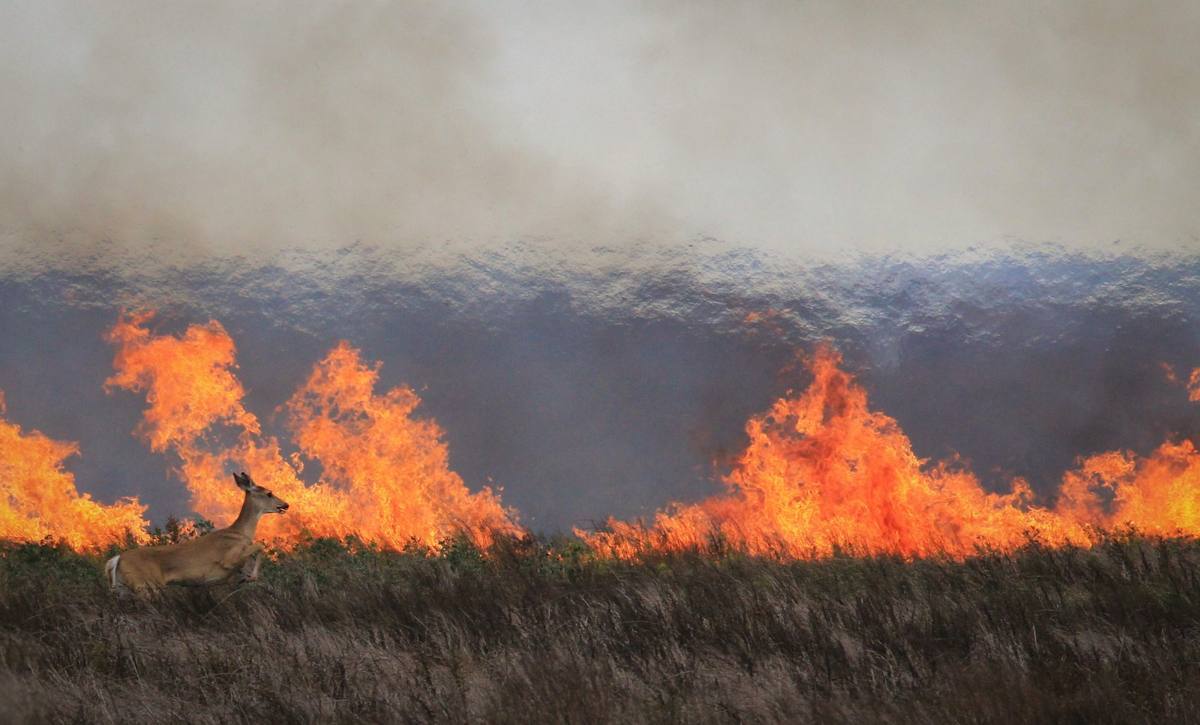
University extension and agency wildlife guidance show white-tailed deer prosper after disturbances such as prescribed fire that reset understory browse and forbs near ground level (NC State Extension White-Tailed Deer). Winter dormant-season burns are commonly recommended to maintain browse and soft mast while keeping woody structure; growing-season burns shift plant communities toward herbaceous forage (NC State Extension White-Tailed Deer; Prescribed Fire Extension - deer habitat). USFS prescribed fire programs emphasize planning, weather windows, and low-intensity behavior that also supports forest health objectives (USFS prescribed burn feature).
Why fire helps deer
Deer eat tender woody browse, forbs, and soft mast in spring and summer (NC State Extension White-Tailed Deer). Closed canopies and thick midstory shade out that near-ground food. Prescribed fire, timber harvest, and other disturbances produce new vegetative growth where deer can reach it (NC State Extension White-Tailed Deer).
Burn frequency
NC State Extension recommends burning frequently on a roughly 2- to 5-year cycle to maintain understory that provides browse, forbs, and soft mast (NC State Extension White-Tailed Deer). Skipping fire for long periods lets the understory climb out of deer reach again (NC State Extension White-Tailed Deer).
Season of burn
Conduct most prescribed burning during winter months when the goal is to keep woody browse resprouting while retaining cover structure (NC State Extension White-Tailed Deer). Growing-season fire, including late-summer windows discussed in extension prescribed-fire materials, can reduce woody saplings and increase herbaceous forage useful during lactation and summer stress (Prescribed Fire Extension - deer habitat; NC State Extension White-Tailed Deer). Match season of burn to the habitat objective rather than copying a neighbor’s calendar blindly (Prescribed Fire Extension - deer habitat).
Pair with timber work
Extension lists prescribed burning and disking among tools that maintain early-succession patches, and suggests keeping most clearcuts under about 40 acres so edge and cover remain nearby (NC State Extension White-Tailed Deer). Fire alone on a huge clearcut without travel cover can push deer to the next property (NC State Extension White-Tailed Deer).
How do you set up a woodland burn for deer?
University of Missouri Extension says burn results hinge on how much light hits the forest floor, so it generally recommends thinning a stand to about 60% canopy before you burn. On timbered ground it points to the dormant season, November through March, to protect sawtimber and future growing stock. Run low-intensity fire on south- and west-facing slopes and keep it off the better north- and east-facing timber. Pull logging slash away from the base of leave trees so the fire doesn’t cook the bark (MU Extension G9495).
MU also calls fire far cheaper and more efficient than most mechanical ways of growing forage. In Missouri, it wants a written burn plan from a certified wildlife biologist or an MDC private land conservationist before you strike a match (MU Extension G9495). Check what your own state requires.
Agency burn operations
USDA Forest Service prescribed-fire features describe low-intensity fire behavior used to protect communities and support forest health when professionals plan ignition under prescription weather (USFS prescribed burn feature). Landowners adjoining national forest burns should expect smoke management and temporary closures during operations (USFS prescribed burn feature).
Legal and safety constraints
Only burn where you have the legal right, required burn permits, trained help, and weather within prescription (USFS prescribed burn feature; Prescribed Fire Extension - deer habitat). Escaped fire destroys the browse you meant to create and can end hunting access on the property (USFS prescribed burn feature).
Hunt timing after a burn
Fresh green-up after a dormant-season burn can concentrate deer on resprouting stems within weeks in southern climates; northern sites green later (NC State Extension White-Tailed Deer; Prescribed Fire Extension - deer habitat). Scout wind and security cover on the burn edge rather than sitting the blackest center on opening day (NC State Extension White-Tailed Deer).
Monitoring
Extension wildlife publications encourage multi-year observation and record keeping so burn intervals track deer use and understory response (NC State Extension White-Tailed Deer). Without notes you cannot tell whether a 3-year or 5-year return interval is feeding your deer (NC State Extension White-Tailed Deer).
Official digest checks
Keep the NC State White-Tailed Deer habitat section, the prescribed-fire extension deer page, and any state forestry burn-permit rules with your habitat plan (NC State Extension White-Tailed Deer; Prescribed Fire Extension - deer habitat; USFS prescribed burn feature).
Hunt-day checklist after a burn unit
Walk the black edge with wind in your face, confirm green browse is within reach, and leave the center of a fresh winter burn for later sits once deer establish trails (NC State Extension White-Tailed Deer; USFS prescribed burn feature).
The other side of it
The 2- to 5-year cycle comes from NC State, and the article itself says northern ground greens up later, so a schedule built for the Southeast won’t transfer neatly everywhere. It also leaves the winter-versus-growing-season question open, and that’s the decision that changes what grows back. Meanwhile, the hunter who parks in the dead center of a fresh black burn on opening morning is mostly giving the deer a better look at him.
Keep reading
Latest deer news
Comments