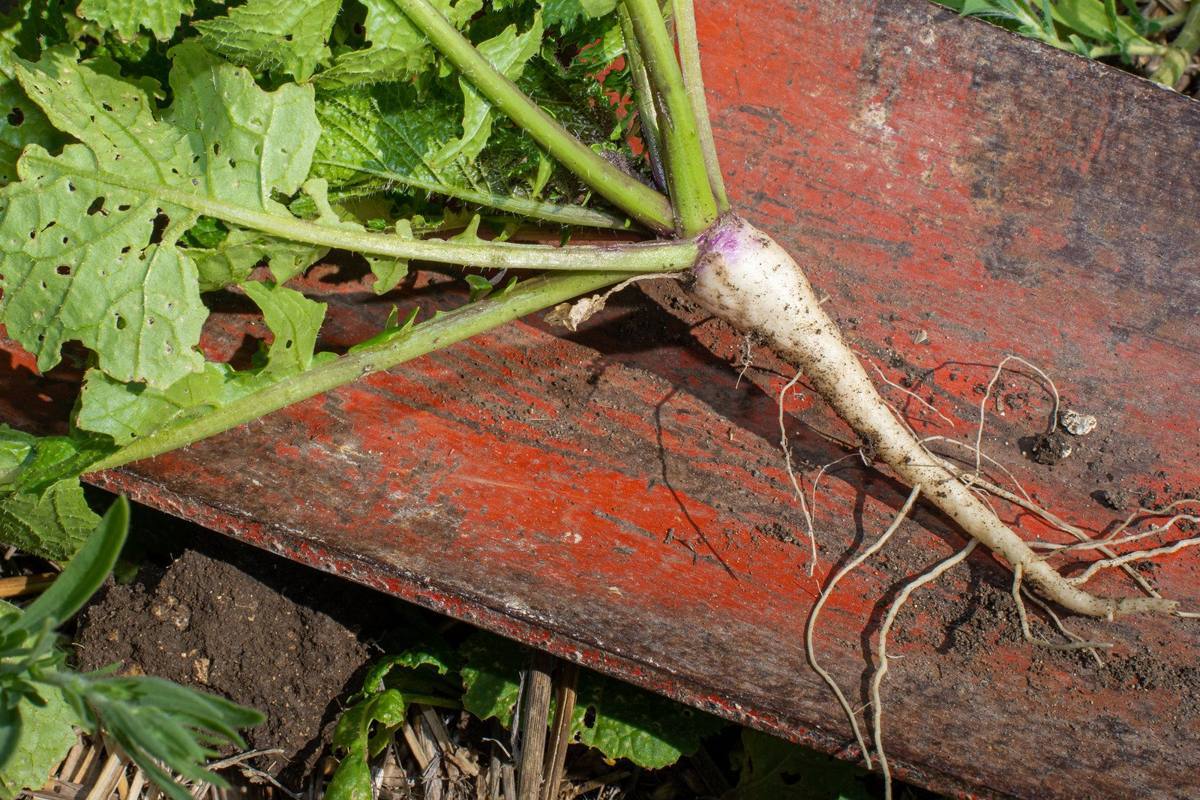
Brassicas are not one crop with three brand names. Mississippi State University’s deer food-plot guide groups rape, kale, turnip, and canola as cool-season forbs planted September 1 to October 15 at 5 lb/acre drilled and 10 lb/acre broadcast (MSU Extension). UF/IFAS wildlife forage notes say brassicas are highly productive and digestible and can provide forage as quickly as about 40 days after seeding depending on species, listing turnip, swede, rapeseed, and kale as fall- or spring-seeded options (UF/IFAS). Kale is called very winter-hardy with Premier, Vates, and Siberian among recommended varieties; rapeseed is also very winter-hardy (UF/IFAS). QDMA Canada’s kale species profile states the three main forage brassicas for late-fall pasture are rape, kale, and turnip; kale is cold-hardy and high in nutritive value but not well adapted to hot weather, with dry-matter yields of about 4,500 to 7,100 lb/acre and leaf crude protein about 18 to 25 percent, similar to rape (QDMA Canada). That profile notes kale is slower growing than rape and needs a longer season (about five to six months) to reach full winter-grazing potential, while rape accumulates browse forage faster (QDMA Canada). Turnips add bulb biomass; rape leans leafy and fast; kale leans into midwinter leaf persistence (MSU Extension; UF/IFAS; QDMA Canada).
Key Takeaways
- MSU SE: brassicas Sept 1–Oct 15; 5 lb/A drilled; 10 lb/A broadcast (MSU Extension).
- UF/IFAS: forage possible ~40 days after seeding; kale and rapeseed very winter-hardy (UF/IFAS).
- QDMA: kale DM yields ~4,500–7,100 lb/A; leaf CP ~18–25%; slower than rape (QDMA Canada).
- Kale needs ~5–6 months to full winter grazing potential (QDMA Canada).
- Turnips = leaves plus bulbs; rape = fast leaf; kale = late cold leaf (UF/IFAS; QDMA Canada).
- Cut rates when mixing species per MSU complete-stand footnote (MSU Extension).
Shared planting specs, different architecture
MSU puts rape, kale, turnip, and canola on one rate/date row, so managers still choose architecture inside that umbrella (MSU Extension). Five pounds drilled or ten broadcast is the complete-stand starting point; reduce each species when mixing (MSU Extension).
Speed to first bite favors rape
UF/IFAS states brassicas can feed as quickly as about 40 days after seeding depending on species (UF/IFAS). QDMA notes rape accumulates forage for browsing faster than kale, which needs a longer growing season (QDMA Canada). September seedings that must feed October deer lean rape-heavy (UF/IFAS; QDMA Canada).
Turnips and bulbs
Turnips and turnip hybrids appear in UF/IFAS brassica lists because they produce root/bulb biomass beyond leaves (UF/IFAS). Late-winter deer use often shifts toward bulbs after tops are browsed or frosted (UF/IFAS).
Kale for the cold end of the season
UF/IFAS calls kale very winter-hardy and names Premier, Vates, and Siberian (UF/IFAS). QDMA positions kale when managers want a large amount of winter grazing forage and can allow five to six months of growth (QDMA Canada). Best quality comes where summers are cool or growth runs into fall and winter; kale is not well adapted to hot weather (QDMA Canada).
Nutrition ballpark
QDMA cites kale dry-matter yields of 4,500 to 7,100 lb/acre and leaf crude protein of 18 to 25 percent, similar to rape (QDMA Canada). Those figures explain why brassicas punch above their seeding-rate weight on southern deer calendars (QDMA Canada; MSU Extension).
Wildlife mix context
UF/IFAS notes high deer preference but relatively low gamebird use when brassicas are planted alone, so pair with small grains or clovers when quail also matter (UF/IFAS). Keep the southern Sept 1 to Oct 15 window unless a more northern calendar applies (MSU Extension).
Bottom line
Plant southern brassicas at 5/10 lb/A in Sept-Oct; assign rape to fast leaf, kale to 5-6 month winter tonnage, and turnips to late bulbs (MSU Extension; UF/IFAS; QDMA Canada).
The other side of it
Kale needs five to six months to reach its winter potential and doesn’t love hot weather, so dropping it into a September to mid-October southern window may never deliver the tonnage this article assigns it. The kale numbers also come from a Canadian species profile, a long way from a Mississippi plot. Rape and turnips might simply be the honest southern pick. Then there’s the hunter who plants kale on October 15 and still expects midwinter tonnage.
Keep reading
Latest deer news
Comments