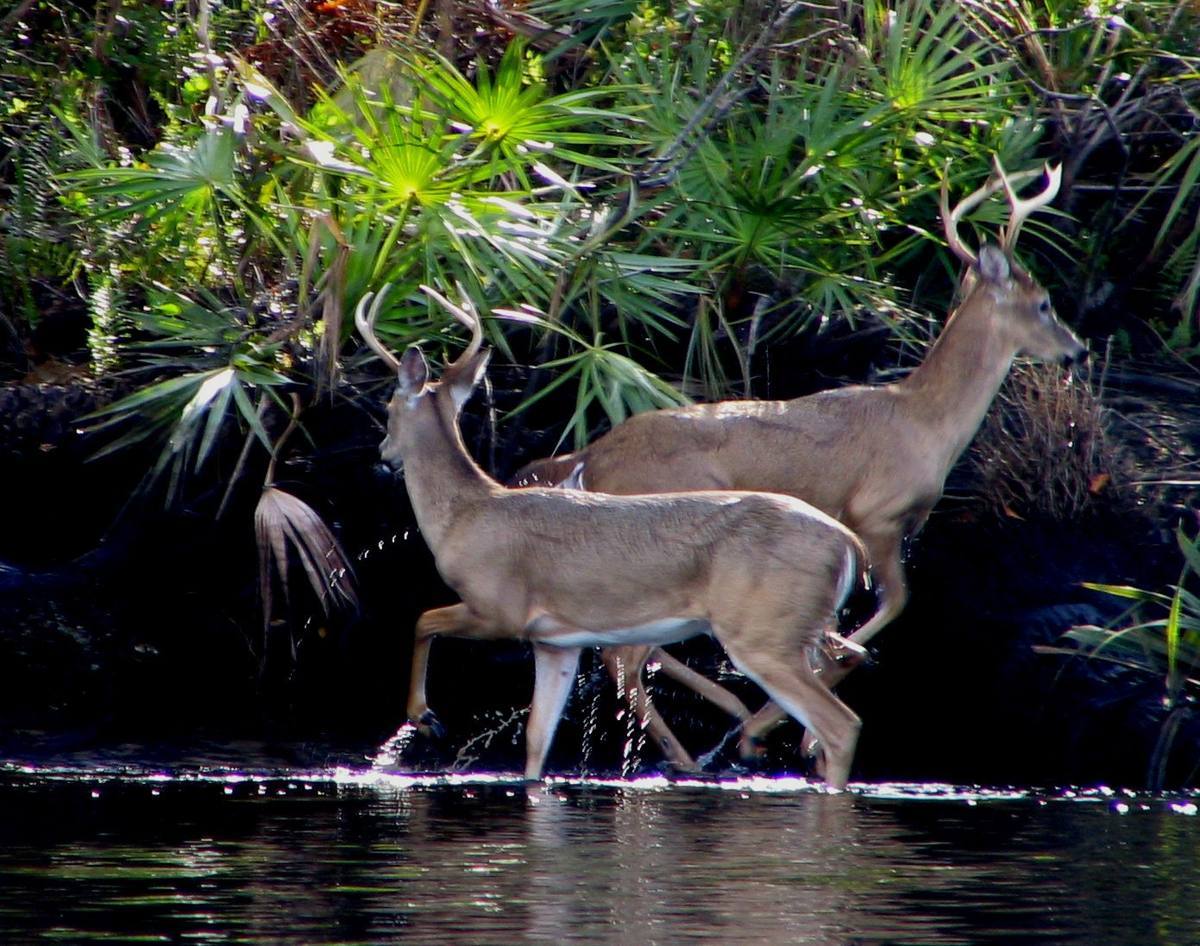
Bottomland hardwoods, beaver floodings, and river swamps hide deer that never appear on the hilltop oak flat you prefer to hunt. Tactics shift toward water-level scouting, limited dry-ground funnels, quiet entry by creek or ridge finger, and ruthless honesty about access risk. Extension and habitat literature that praise early successional and wetland-edge browse also imply why mature bucks bed in the nastier half of the floodplain. You need boots rated for mud, a wound-recovery plan that assumes water, and stands placed on the scarce dry ground deer already use.
Key Takeaways
-
Deer bed in swamp interiors for security and move along the driest available fingers, levees, and oak hammocks.
-
Water levels rewrite trails weekly - scout after floods before you trust last year’s stand.
-
Entry noise carries across water; use wind and terrain shadows more than long approaches through open mud.
-
Recovery in flooded timber demands GPS pins, partners, and sometimes boats - plan before the shot.
-
Ticks, snakes, heat, and soft bottoms are safety constraints equal to deer pattern constraints.
Reading water and topography
Mark the elevation contour that stays dry in a normal October. Deer traffic stacks on that line. After a rain week, the line climbs; after a drought, deer may bed farther into normally wet pockets. Re-walk after every major weather shift.
Beaver dams create sudden lakes and new edge browse. Treat new flooding as a scouting assignment, not an inconvenience.
Stand sites that make sense
Creek crossings on firm bottoms, oak hammocks inside cypress, and levee bends with trails on both sides beat random swamp edges. Hang only where a clean shot lane exists without girdling half the timber.
Morning sits often catch deer returning from crop edges into swamp bedding; evenings reverse. Midday can work in deep security cover during pressure.
Access discipline
Boat or kayak entries reduce ground scent but add retrieval complexity. Ridge-finger walks keep you dry longer. Never block a primary deer crossing with your muddy boot highway.
Shot and recovery
Pass on low-percentage lanes over deep water if you cannot follow up safely. A deer that dies in a hole you cannot reach is a wasted tag and a bad story. Pack drag ropes, a floatable dry bag for optics, and a partner contact plan.
Habitat context
Bottomland oaks, soft mast, and early successional pockets after windthrow feed deer that bed in cover humans skip. Management that keeps some impenetrable cover while maintaining mast trees sustains the pattern - dozing every thicket for food plots can push deer to the neighbor’s swamp.
Bottom line
Swamp whitetails reward hunters who remap dry funnels after every water change, enter quietly, and refuse shots they cannot recover - boots and GPS matter as much as calls.
Gear that is not optional
Knee boots or lightweight waders matched to depth, a second pair of dry socks in a dry bag, blaze that meets state law even when you feel hidden, and a phone in a waterproof case. Trim packs hard; every extra pound sinks deeper in mud.
Mark snake season mentally. Step onto logs you can see the far side of.
Pressure and refuges
Opening weekend drives push deer off ridges into swamp sanctuaries. If you can access a legal interior funnel without educating every deer on the way in, the day after a big drive can be prime. If your access educates them, wait and hunt the exit trails at dusk instead.
Mapping tools that help
Use a topographic layer plus recent aerials after leaf-off. Highlight the half-contour above normal pool. Walk it with a GPS track in March when snakes are quieter and visibility is high. Mark every firm crossing. Those pins become October stands (related habitat discipline as in clearcut edge hunting).
Revisit after the first big fall rain. If your pin is underwater, move before you educate deer with a useless sit.
Thermals in bottoms
Cool air sinks. Evening thermals can drag your scent into the swamp bedding you are watching. Favor stands where falling evening air dumps into unused holes, or hunt mornings when rising air lifts scent off the bed. Swamp edges punish scent laziness harder than windy ridges.
Local regulations
Flooded timber can sit inside WMAs, Corps lands, or private leases with different motor and boat rules. Confirm whether you may leave a stand overnight, use a boat blind, or ATV a levee. Access violations end swamp seasons faster than empty cameras.
Calling and rattling in bottoms
Sound dies differently over water and mud. Soft grunts can work at close hammock ranges; loud rattling may pull deer you cannot see until they are inside your scent cone. Favor subtle calling once you have a close funnel pinned. Save aggressive rattling for dry ridge days when you can see approaching deer farther out.
Boot and stand choices
Hang-on stands on the few straight dry trees beat climbing skinny waterlogged trunks. Ladder stands may not fit hammock spacing. Test every step for rotten wood. In true flooded timber, a boat blind on legal water may outperform any tree (habitat pressure similar to regen edges).
Carry a short rope to hang a backpack above splash range when you climb.
Weather windows
A hard freeze that locks mud can open walking access deeper into normally soft bottoms for two days. Hunt those windows hard, then expect deer to shift again when thaw returns. Keep a spare stand on the first dry oak hammock inland for the muddy majority of the season.
Related: Clearcut regenerating forest and River corridor whitetails.
The other side of it
Nothing in the piece is sourced beyond a couple of Missouri habitat links, so the idea that mature bucks bed in the “nastier half of the floodplain” is camp wisdom, not data. A hunter could fairly argue the edge is the smarter bet, since deer leave the swamp for crop edges anyway and a blood trail on dry ground doesn’t need a boat. The guy who bought new waders in September is usually back on the levee by the second muddy weekend.
Keep reading
Latest deer news
Comments