Deer Diseases
EHD, ticks and other non-CWD deer diseases and parasites.
Guides
- GuideCan Dogs Get Chronic Wasting Disease? What Vets and Agencies SayCan dogs get chronic wasting disease? No case has ever been documented, and canines appear resistant, but agencies still say not to feed CWD-positive deer.

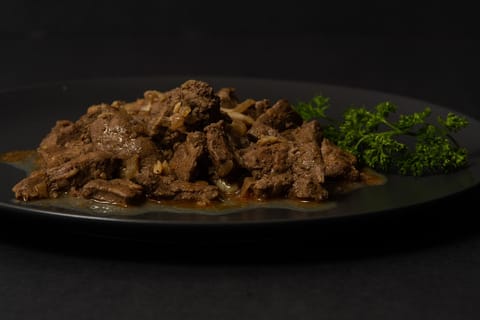
- GuideHow to Cook Venison Liver, and Why Some States Say Don'tHow to cook venison liver: slice it thin, soak it and sear it fast, or grind it into burger. But Michigan and Wisconsin advise against eating some deer liver.
- GuideIs Venison Safe to Eat? CWD, Lead and Foodborne Risks ExplainedIs venison safe to eat? Generally yes, with care. What state health departments say about CWD, lead bullet fragments and parasites, and how to lower each risk.
- GuideWhy Is Baiting Deer Illegal? Disease Risk, Fair Chase and Where Bans ApplyWhy is baiting deer illegal in some places? Agencies cite disease spread, mainly CWD and bovine TB, plus fair chase. Rules vary by state and even by county.
- GuideWhat Abomasal Parasite Counts Say About Deer Herd HealthAbomasal parasite counts are lab tallies of worms in a deer's abomasum that managers use to index herd health under density stress. Here's how the method works.
- GuideAnaplasma in Deer: What Blood Tests Mean for HuntersAnaplasma and other blood parasites show up in deer serosurveys run on hunter-harvested blood. Here is what those prevalence signals mean and how to stay safe.
- GuideBrain Abscesses in Bucks: Antler Injuries and Odd BehaviorBrain abscesses are bacterial infections in a deer's head, often linked to antler-base wounds in bucks. Here is what Wisconsin and Pennsylvania biologists say.
- GuideCan Deer Carry Brucellosis? What Hunters Should KnowBrucella talk in North American wildlife usually involves bison, elk or swine, and B. melitensis notes in deer are rare. Here is what hunters should know.
- GuideWhy Deer Die Days After a Chase or CaptureCapture myopathy is a stress-driven muscle disease that can kill deer hours or days after pursuit, netting or handling. Here is a look at what biologists say.
- GuideHow Biting Midges Spread EHD in DeerEHD doesn't spread deer to deer. Michigan DNR says Culicoides biting midges carry it, so a deer must be bitten by an infected midge. Here is how it spreads.
- GuideSwollen Face on a Deer: Abscess or Lumpy Jaw?Facial swellings on deer may be soft skin abscesses or firmer jaw infections called lumpy jaw. Here is how to tell them apart and when to report a sick deer.
- GuideDo More Suburban Deer Mean More Ticks?MSU says suburban deer that aren't hunted grow very tolerant of people, and higher deer density often means more ticks. Here is what the research shows.
- GuideWhy Is a Deer Blind or Circling? Signs and CausesBlind or circling deer may reflect injury, neurologic disease or severe illness, including late hemorrhagic disease. Here is what to look for and report.
- GuideWhat Deer Disease Should You Worry About, and Can You Eat the Deer?Which deer disease is going around, and can you eat the deer? EHD, CWD, bovine TB, brain abscess and warts, plus what deer can pass to people, per agencies.
- GuideWhat Deer Diseases Are in Michigan Right Now?Michigan deer disease in 2026: DNR CWD and bovine TB results through Nov. 20, the first farmed-deer CWD case in Roscommon County, EHD counties and testing.
- GuideWhat Deer Disease Is in Ohio Right Now, and Where?Deer disease in Ohio for 2026: where EHD hit, which counties ODNR lists for CWD, the 2026-27 testing and bait rules in the DSA, and how to report a sick deer.
- GuideWhat Deer Diseases Are in Pennsylvania?Deer disease in PA: chronic wasting disease is in 11 wildlife management units. What the Game Commission bans, how free CWD testing works, and the 2026 changes.
- GuideCan You Eat a Deer With Warts? What Agencies SayCutaneous fibromas, or deer warts, are virus-caused skin growths. Here is what Pennsylvania, Kentucky and Wisconsin agencies say about harvest and meat.
- GuideWhat Causes Scours in Fawns? Bacteria, Viruses and ParasitesFawn diarrhea involves bacteria, viruses and parasites that wildlife labs sort from fresh samples. Here is why hunters should report dead fawn clusters.
- GuideBot Fly Larvae Under Deer Hide: When They Show UpSkin bot flies leave larvae under deer hide that hunters nick while skinning, unlike nasal bots. Here is their life cycle and what it means for venison.
- GuideWhich Tick Species Should Deer Hunters Know?Hunters should know the ticks tied to the diseases they face: lone star ticks for alpha-gal and blacklegged ticks for Lyme. Here is how to identify them.
- GuideWhat Are Deer Ticks? ID, Bites and Where They LiveDeer ticks ride on whitetails, but deer don't give you Lyme disease. Here's the tick life cycle, when adults peak in deer season, and how hunters stay clean.
- GuideCan Deer Ticks Give You Lyme Disease, and How Worried Should Hunters Be?Deer ticks and Lyme disease, explained for hunters: how long a tick has to bite, why deer don't carry Lyme, field-dressing risk, symptoms and what really works.
- GuideDeer Wart vs Abscess vs Injury: Field Triage Before You TagNot every lump on a deer is the same problem. Here is a look at how Michigan DNR tells skin-only deer warts from abscesses and injuries before you tag a deer.
- GuideWhat EHD Antibody Tests on Harvested Deer Tell BiologistsWisconsin DNR tracks EHD through reports of sick or dead deer and targeted sampling. Here is a look at what antibody surveys in harvested deer tell biologists.
- GuideWhat Should Hunters Do in an EHD Outbreak Year?EHD is a native deer virus spread by biting midges, not deer-to-deer contact. Here is how deer hunters can decide what to do during an EHD outbreak year.
- GuideEHD Serotypes in Deer: Why Blue Tongue Is More Than One VirusHunters call late-summer die-offs "blue tongue," but agencies split hemorrhagic disease into EHD and bluetongue viruses. Here is how the serotypes differ.
- GuideFeral Hogs at Deer Bait Sites: Disease and CompetitionWhere bait concentrates deer, wild pigs show up for the same calories. Here is what Texas Parks and Wildlife says about hogs, deer, disease and competition.
- GuideFoot Rot in Deer: Hoof Lesions in Wet HabitatDeer in wet habitat can get hoof and foot infections hunters call foot rot. Here is what the lesions look like and why clusters of lame deer should be reported.
- GuideHow to Report an EHD Die-Off and Submit a Deer CarcassWhen several deer die at ponds in late summer, agencies need reports and sometimes tissue, not silent disposal. Here is how hunters can report a die-off.
- GuideEHD vs Bluetongue in Deer: How to Tell Them ApartEHD and bluetongue are closely related midge-borne viruses causing nearly identical hemorrhagic disease in deer. Here is how hunters can tell them apart.
- GuideHow States Archive Tissue From Hunter-Harvested DeerUSGS CWD work depends on lab testing because the disease can spread before obvious signs. Here is how some agencies archive tissue from hunter-harvested deer.
- GuideIs Deer Meat Good for You?Is deer meat good for you? Venison is lean, high-protein red meat with less fat than beef or pork. Here are the numbers, plus the lead, CWD and cooking caveats.
- GuideLungworms in Deer: Coughing and Poor ConditionHeavy lungworm loads can add to coughing and poor condition in deer, especially under stress. Here is what lungworms do and when to report a sick deer.
- GuideCan You Eat Venison From a Deer With Liver Flukes?Large American liver flukes commonly infect whitetail livers. Wisconsin and Michigan DNR say they don't infect people. Here is how to trim and handle venison.
- GuideMange and Hair Loss in Deer: When to Report vs HarvestBare patches on a deer can mean mange, CWD or just molt. Michigan DNR says sarcoptic mange is rarely diagnosed in deer. Here is when to report or harvest.
- GuideMeningeal Worm: Brainworm Risk Where Deer and Moose OverlapMeningeal worm cycles in whitetails with mild effects but can cause severe neurologic disease in moose. Here is the risk where deer and moose ranges meet.
- GuideNasal Bots in Deer: Gross but Mostly Harmless for HuntersNasal bots are fly larvae develop in deer nasal and throat passages. Michigan, Wisconsin and Indiana DNR call them common. Here is why they're mostly harmless.
- GuideWhen Is Deer Season in North Dakota in 2026?North Dakota deer season 2026 from Game and Fish: bow Sept. 4, gun Nov. 6 to 22, muzzleloader Nov. 27, youth season, the license lottery and legal firearms.
- GuidePFAS and Other Contaminant Advisories in Wild VenisonPFAS advisories for wild deer are site-specific, not a nationwide warning that venison is unsafe. Here is a look at what Michigan and Wisconsin advisories say.
- GuideWhite Specks in Deer Meat: What Is Sarcocystis?Hunters sometimes find white rice-grain specks, sarcocysts, in deer muscle. Here is a look at what they are and why venison still needs to be cooked to 160°F.
- GuideDoes Feeding Deer Spread CWD and Other Diseases?Feeding and baiting pull deer into tight spacing where saliva, urine, feces and feed share pathogens. Here is what Wisconsin DNR says about disease risk.
- GuideTheileria in Deer: The Tick-Borne Blood Parasite ExplainedTheileria and related piroplasms show up in deer health notes as tick-borne blood parasites. Here is what they are and why confirmation takes a lab test.
- GuideWhat Temperature Kills Toxoplasma in Venison?Toxoplasma gondii in undercooked venison has caused hunter outbreaks. Here is what CDC's toxoplasmosis guidance says about cooking temperatures for venison.
- GuideCan You Get Trichinosis From Deer Meat?Trichinellosis comes from eating raw or undercooked meat with Trichinella larvae, and CDC flags wild carnivores. Here is why pork rules don't map to whitetails.
- GuideHow to Freeze Wild Game to Kill Trichinella Before JerkyNCHFP says pork or wild game used for jerky should be treated to kill trichinella before slicing and marinating. Here are the freeze protocols for jerky.
- GuideDeer Winterkill: Signs of Starvation vs DiseaseWinterkill is energy failure written on the carcass. Here is a look at what Michigan DNR says about starvation signs, from empty fat depots to bone marrow.


Stories
- KentuckyWhat Does the Shelby County Deer Farm CWD Case Mean for Kentucky Hunters?CWD turned up in a 5½-year-old doe on a Shelby County, Ky., deer farm. No season changes are planned for now, and the Commission takes it up on Dec. 2.
- WisconsinWhat Does the Price County Deer Farm CWD Case Mean for Wisconsin Hunters?CWD turned up in two 3-year-old bucks on a Price County, Wis., deer farm. State law points to a baiting ban there, but the DNR hasn't set a start date yet.
- TexasWhat Do Texas Deer Hunters Need to Know About New World Screwworm?Screwworm is confirmed in 25 Texas counties, and elk in Pecos and Jeff Davis counties tested positive this fall. How to check your deer and who to call.