Deer 101
Specific questions, direct answers, sources you can check. One page per question, updated in place and dated, never replaced by a yearly copy.
- gearWhich Trail Cam Specs Actually Matter?There's no single best trail cam. There's the camera whose specs match the job. The spec sheet tells you how fast a camera fires, how far it sees, how visible its flash is, how it's powered and whether it sends…
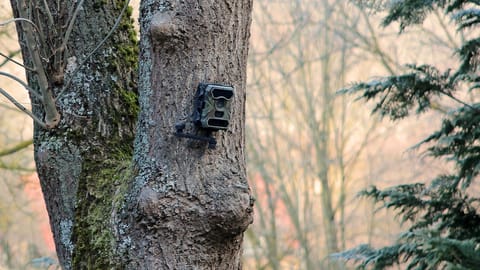
- gearAre Trail Cameras Legal for Deer Hunting?Trail cameras are legal for deer hunting in many places, but not everywhere, and the rules are tightening, especially for cellular cameras that send photos to your phone. As of Nov. 4, 2026, we've confirmed that Utah…
- gearWhat detection angle and range numbers mean in the field?A trail cam that never fires is usually a detection geometry problem, not a bad SD card. Browning Trail Cameras lists a 100 ft image detection range on both the Dark Ops Pro X 1080 (invisible IR) and Strike Force Pro…
- gearHow trigger speed and recovery time specs are measured for deer cams?Trigger speed is how fast the shutter fires after PIR detection; recovery time is how soon the camera can fire again. Browning Trail Cameras lists 0.22-second trigger speed and 0.35-second recovery time on both the…
- gearBridge length working load and compatibility notesBridge length and rope strength are the load path between a saddle hunter and the tree. Tethrd's Ultralock SD product page specifies a patented UtiliBridge with 40 inches of adjustability so hunters can fine-tune…
- gearHow to read weight ratings and certification hangtags?The sticker on a treestand is a standards pointer, not décor. Intertek's TMA-approved testing overview lists ASTM F3249 as the standard specification for treestands, climbing sticks, and tripod or tower stands, with…
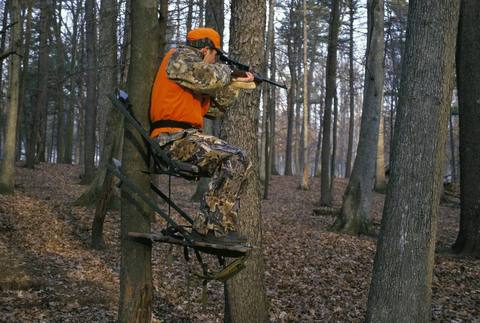
- gearTreestand fall statistics harnessTree-stand falls are a leading cause of serious deer-hunting injury. New York DEC's 2024 Elevated Hunting Incidents summary recorded 11 elevated incidents with two fatalities and stressed that a harness alone does…
- deer diseasesCan you get trichinosis from deer meat?Trichinellosis comes from eating raw or undercooked meat containing Trichinella larvae. CDC materials emphasize wild game risk especially for carnivores and omnivores such as bear and wild pig, and they still advise…
- venisonNCHFP freeze times before drying pork-family meatNCHFP's jerky page states that if pork or wild game is used to make jerky, the meat should be treated to kill the trichinella parasite before it is sliced and marinated (NCHFP Jerky). The published treatment: freeze…
- late seasonYield cold hardiness and deer use differencesTriticale and winter wheat share the cool-season cereal slot on southern deer plots, but they are not twins. Mississippi State University Extension's small-grain forage guide rates triticale higher than wheat on…
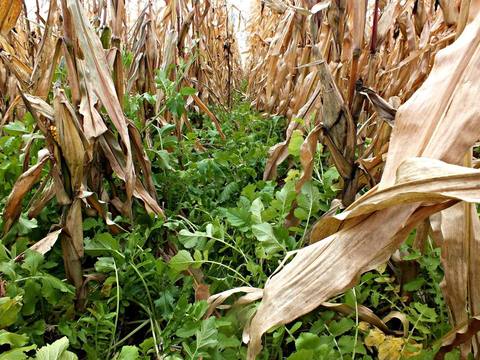
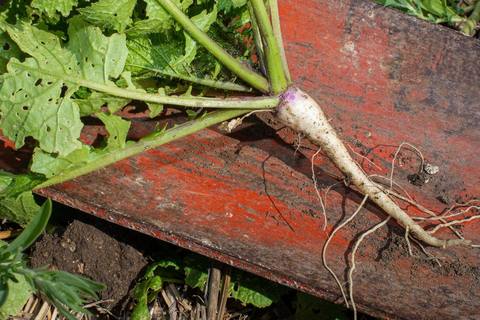
- food sourcesBulb vs leaf brassicas and when deer start using eachBrassicas are not one crop with three brand names. Mississippi State University's deer food-plot guide groups rape, kale, turnip, and canola as cool-season forbs planted September 1 to October 15 at 5 lb/acre drilled…
- deer biologyWhitetail twin triplet fawn ratesIn good habitat with deer numbers in balance with food, healthy adult whitetail does commonly carry twins, and a smaller share carry triplets. National Deer Association explains that triplet and quadruplet litters…
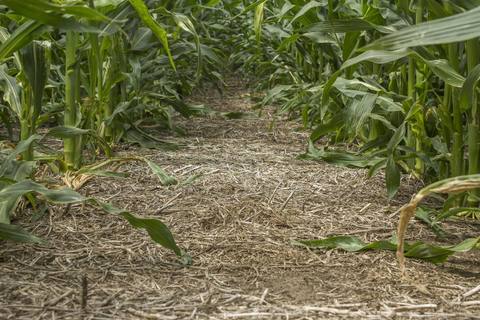
- habitatHow unharvested corn strips function for deer into winter?Unharvested corn strips give deer both calories and vertical cover after surrounding fields are bare. Mississippi State University Extension lists corn as a warm-season grass/annual on the deer food-plot guide, with…
- deer biologyExtension field days that teach plots and agingUniversity extension deer days teach browse audits, aging on the hoof, food-plot agronomy, and the same ownership-scale humility MSU publishes (MSU Extension Wildlife Habitat; MSU Extension White-tailed Deer Farmers…
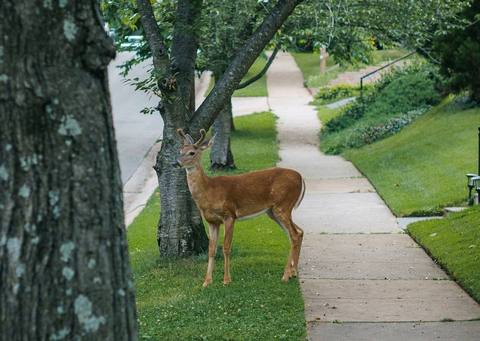
- deer biologyHow city deer shift to nocturnal patterns?MSU describes deer as generally night-active but adaptable to daytime activity in suburban environments (MSU Extension White-tailed Deer Farmers Series). The same bulletin says deer can become very tolerant of humans…
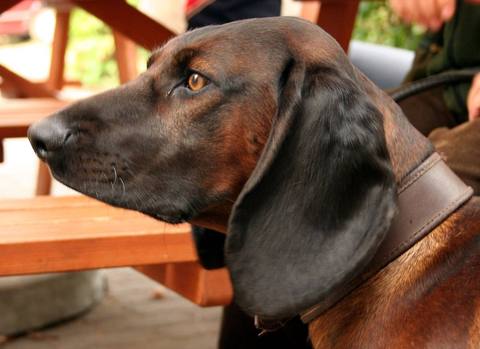
- regulationsDeer tracking dog laws by state overviewA blood-tracking dog finds deer you already hit; it is not a strike pack for live deer. States regulate recovery dogs with permits, leash rules, weapon conditions, and warden notification that differ sharply from…
- venisonManaging juice in thawed sealed packsVacuum packs of deer often show purge. FSIS still requires thawing in the refrigerator with drip control, freezers at 0 deg F, refrigerators at 40 deg F or below, and leftovers reheated to 165 deg F (FSIS Food Safety…
- venisonHow long vacuum sealed deer meat stays safe at each storage temp?Vacuum bags remove oxygen that drives freezer burn and rancidity, but they do not invent new microbiology rules. Penn State Extension lists vacuum bags among preferred wraps for venison, insists on removing all air…
- gearMil ratings that resist punctureBone-in deer quarters and bone-in roasts puncture thin vacuum bags - the fix is a published thickness class, not hope. FoodSaver's Heavy Duty gallon vacuum-seal bags are specified as built 30% thicker than standard…
- deer biologyVelvet antler injury risk summer bucksSummer bucks carry growing antlers wrapped in velvet with a rich blood supply and sensitive tissue. Missouri Extension antler-development guidance states that while in velvet, antlers are particularly vulnerable to…
- venisonWhen anaerobic packaging plus low acid creates botulism risk?USDA FSIS describes Clostridium botulinum as anaerobic rod-shaped bacteria that form protective spores and produce a potent neurotoxin causing botulism (U.S. Department of Agriculture). The organism grows best under…
- venisonWhy emulsions break in lean deer meat?NDSU's sausage guide covers emulsion-style products where bind fails if meat is warm, fat smears, or lean wild meat lacks enough fat (NDSU Extension FN176). Deer bologna that weeps fat caps or crumbles usually failed…
- venisonCooling broths fast enough for safetyNCHFP meat stock directions say cool broth and skim off excess fat and discard, then reheat to boiling before filling jars with 1-inch headspace, processing pints 20 minutes / quarts 25 minutes at altitude-correct…
- venisonPacking quarters away from ready foodFSIS says wrap perishable meat securely to maintain quality and prevent meat juices from getting onto other food, keep raw meat and juices away from other foods, and refrigerate within 2 hours (1 hour above 90 deg F)…
- venisonPack methods that stop frozen clumpsFSIS wants freezers at 0 deg F or below, meat wrapped securely, and ground meats cooked to 160 deg F (FoodSafety.gov also lists ground meat and venison at 160 deg F) (FSIS Food Safety Basics; FoodSafety.gov). Freezer…
- venisonCuring venison salami food safety wild gameHome-cured venison salami and similar fermented dried sausages sit at the risky end of wild-game processing. USDA FSIS publishes guidance for ready-to-eat fermented, salt-cured, and dried meat products that…
- venisonWhy chili recipes need tested processes?Home-canned deer chili is not a freeform stew jar. NCHFP's Chili Con Carne page publishes a tested hot-pack recipe with dried pinto or red kidney beans, ground beef, onions, optional peppers, chili powder, and…
- venisonCut sizes that match process tablesNCHFP's meat strips, cubes, or chunks process (including venison) uses one time for the jar - 75 minutes pints / 90 minutes quarts - whether hot or raw pack (NCHFP Meat Strips Cubes Chunks). That clock assumes pieces…
- venisonCutting board knife and sink hygiene after field dressingPennsylvania State University Extension's venison field-to-table guide puts warm, soapy water at the center of kitchen hygiene after a gut pile becomes a cutting project. PSU tells hunters to wash knives, hands, and…
- venisonHow Do You Make Venison Jerky Safely?Venison jerky is safe when the meat gets heated to 160°F at some point in the process, before drying or after it, because a dehydrator alone doesn't run hot enough to kill what raw meat can carry. Slice it lean,…
- venisonWhen outside dries before inside is safe?NCHFP warns that home-dried jerky risk drops when meat reaches 160 deg F internal in a way that prevents case hardening - a hard dry shell that leaves the interior unsafe (NCHFP Jerky). Two published paths: heat…
- venisonCleaning extruders between raw batchesGround jerky presses and dies trap raw deer in threads and corners. NCHFP notes ground jerky is harder for pathogen elimination and still requires heating to 160 deg F (NCHFP Jerky). NDSU and FSIS require washing…
- venisonControlled dry rooms versus home ovensNCHFP dries jerky near 140 deg F after a 160 deg F heat path (marinade boil or post-dry oven) (NCHFP Jerky). Humidity cabinets can stabilize drying air, but they do not cancel thickness limits (1/4 inch max) or…
- venisonPackaging choices after a validated dryNCHFP says properly dried jerky keeps at room temperature about two weeks in a sealed container; for best quality and longer life, refrigerate or freeze, and notes vacuum packaging is a good option alongside glass…
- venisonSugar scorch when preheating stripsNCHFP's pre-dry safety heat brings strips and marinade to a boil about 5 minutes aiming for 160 deg F, then dries near 140 deg F (NCHFP Jerky). Sweet marinades with sugar or sweet sauces can scorch if the boil is a…
- venisonField checks that strips are dry enoughNCHFP's drying endpoint for jerky is a bend test: dry until a test piece cracks but does not break when bent, often after 10-24 hours if strips were not preheated in marinade (NCHFP Jerky). That physical check judges…
- venisonWhat actually reduces strong liver flavor?Strong liver flavor myths often promise overnight milk baths as a safety step. What NCHFP actually publishes for strong-flavored wild meats on the meat canning page is an optional 1-hour soak in brine water…
- venisonFinding the cold spot in loaf pansDeer meatloaf is a ground-meat loaf, so FoodSafety.gov's ground meat and sausage line at 160 deg F and the venison 160 deg F line both apply (FoodSafety.gov). Casseroles containing meat are listed at 165 deg F if the…
- venisonWhy spreads stay refrigerated always?Deer pate and liver spreads are moist, low-acid refrigerated foods. FSIS requires cold holding at 40 deg F or below, the 2-hour (1-hour above 90 deg F) serving limit, secure wrapping, and reheating leftovers to 165…
- venisonWhich Venison Recipes Work Best for Each Cut?The venison recipes that work best for each cut are the ones that match the cooking to the muscle. Backstrap and tenderloin want high heat and a short cook, while shoulders, necks and shanks want liquid, a lid and a…
