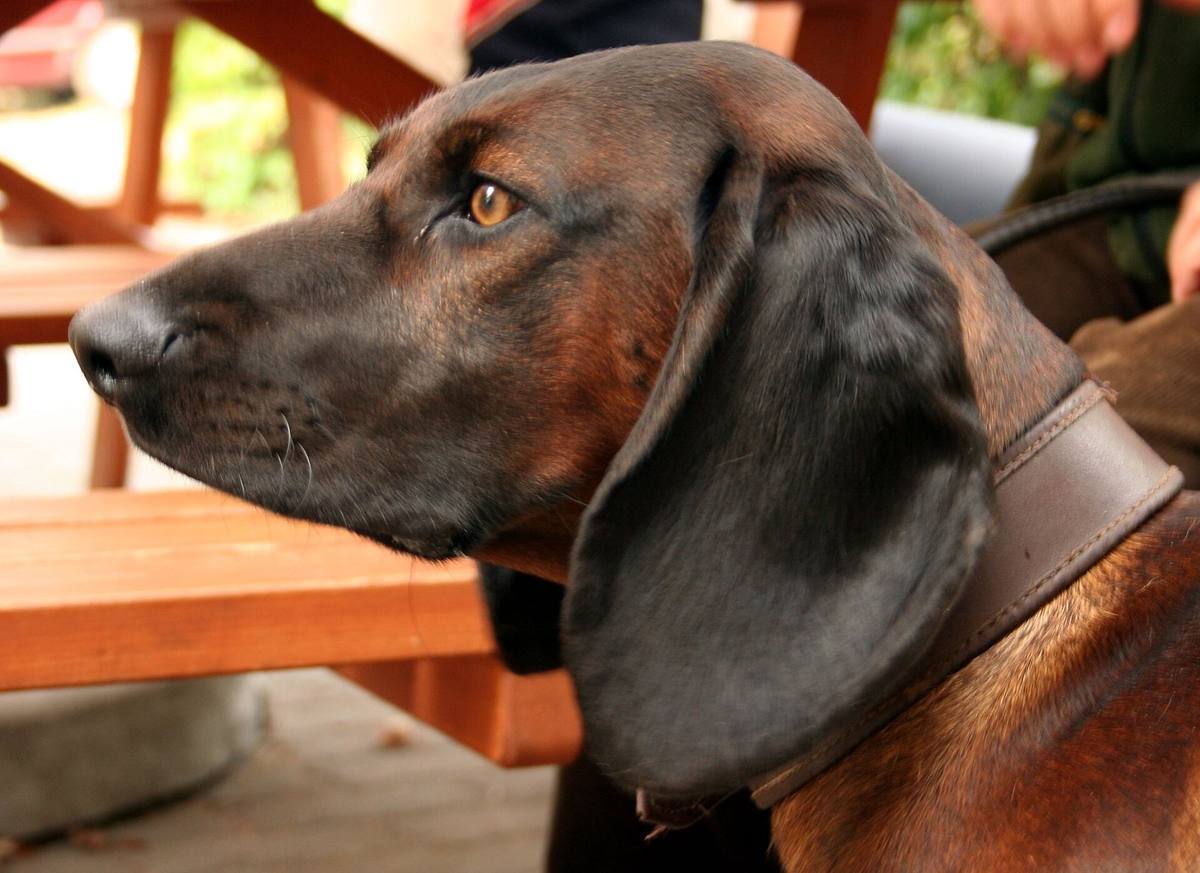
A blood-tracking dog finds deer you already hit; it is not a strike pack for live deer. States regulate recovery dogs with permits, leash rules, weapon conditions, and warden notification that differ sharply from dog-deer hunting statutes (NYSDEC Leashed Tracking Dog License; Michigan DNR dog tracking; Maine Title 12 section 11111).
Key Takeaways
- New York requires a five-year leashed tracking dog license, exam score of 80%+, ECO notification before tracking, and forbids using the dog to pursue and take big game (NYSDEC Leashed Tracking Dog License).
- Michigan requires a biennial tracker permit, start/end reporting of every track, hunter accompaniment, and restricted chamber/nock status except at the point of kill (Michigan DNR dog tracking).
- Maine requires a three-year leashed-dog permit for wounded bear, deer, or moose and allows tracking outside legal hunting hours with that permit (Maine Title 12 section 11111).
- Trespass is never authorized by a tracking permit; landowner permission still controls (Michigan DNR dog tracking).
- United Blood Trackers state pages summarize patterns but the agency digest controls (UBT New York; UBT Michigan).
New York: license, leash, notify
DEC’s Leashed Tracking Dog License covers trained dogs locating dead or wounded white-tailed deer or black bear during big-game seasons (including weekends and 24 hours after the season ends) or after motor-vehicle collisions (NYSDEC Leashed Tracking Dog License). Applicants must be 18+, hold a hunting license, pass the exam, and pay application and license fees for a five-year term (NYSDEC Leashed Tracking Dog License). The license allows humane dispatch and temporary carcass possession until the hunter tags or an ECO takes custody, but it does not allow tracking without notifying an ECO, pursuing live big game with the dog, or charging fees without a guide license (NYSDEC Leashed Tracking Dog License). UBT notes the dog must be on a leash and only the licensed handler may dispatch under New York practice summaries (UBT New York).
Michigan: permit plus every-track reporting
Michigan registers the tracker, not the dog. Anyone using a dog on wounded game needs a valid dog-tracking permit, including for personal tracks (Michigan DNR dog tracking). Before each track, report tracker contact info and the accompanying hunter’s license data; end the track report within 12 hours of dispatch or when tracking stops (Michigan DNR dog tracking). Only the licensed hunter who wounded the animal may dispatch and tag it. Deer or elk hunters may not have a live round chambered, cocked crossbow, or nocked arrow except at the point of kill; night lights ordinarily carried by hand are allowed (Michigan DNR dog tracking; UBT Michigan). Off-leash work is allowed only when the tracker can demonstrate location knowledge and control, including voice command (Michigan DNR dog tracking). Out-of-state trackers must still register in Michigan (Michigan DNR dog tracking).
Maine and the leashed-permit model
Maine statute 12 MRSA 11111 requires a permit to use a leashed dog on a lawfully wounded bear, deer, or moose, with a three-year fee for holders of a valid big-game license (Maine Title 12 section 11111). Permit holders may track outside legal hunting hours and may charge for tracking services without being classified as guides solely for that fee (Maine Title 12 section 11111). Rules may add training, leash, and dispatch details. Violations carry Class E penalties with minimum fines tied to the permit fee (Maine Title 12 section 11111).
Pattern checklist for travel hunters
Ask: Is a tracker permit required? Must the dog be leashed? Who may carry a weapon and in what condition? Must I call a tip line or ECO before starting? Does the permit expire mid-season? Does recovery after dark need extra conditions? Compare answers to the live agency page the morning you track, not last year’s club lore (NYSDEC Leashed Tracking Dog License; Michigan DNR dog tracking).
Ethics that keep statutes friendly
Mark the hit site, wait an honest interval, call a permitted tracker early rather than stomping the grid, and stop at property lines until permission is clear (Michigan DNR dog tracking). Do not confuse recovery dogs with Southeast dog-deer pursuit seasons. Night thermal take rules remain separate from dog recovery (Texas PW 62.005 context via means rules).
Bottom line
Tracking-dog legality is a permit-and-report problem: New York licenses and notifies, Michigan permits and logs every track, Maine sells multi-year leashed permits for after-hours recovery (NYSDEC Leashed Tracking Dog License; Michigan DNR dog tracking; Maine Title 12 section 11111). Read the recovery statute before you whistle the dog onto blood.
Dispatch authority differences
Who may finish a wounded deer at the end of a track is a frequent ticket source. Michigan reserves dispatch and tagging for the licensed hunter who made the hit, even when a professional tracker runs the dog (Michigan DNR dog tracking). New York’s license text authorizes the licensed tracker to humanely kill and temporarily possess until the hunter tags or an ECO takes the animal, which is a different operational model (NYSDEC Leashed Tracking Dog License). Confirm which model your state uses before a stranger’s dog arrives at dark. Carry the hunter’s tag kit to the find site either way.
Calling a tracker without wasting the night
Photograph blood, hair, and the direction of travel before anyone walks the trail. Call a permitted tracker while evidence is fresh rather than after a crowd has churned the site (Michigan DNR dog tracking). Tell the tracker your weapon, hit angle, last visual, and property boundaries. Meet at a legal parking spot with licenses ready for the start-track report Michigan requires (Michigan DNR dog tracking). If New York rules apply, confirm ECO notification is complete before the leash hits the ground (NYSDEC Leashed Tracking Dog License).
The other side of it
Three states and a nod to the Southeast don’t tell most hunters much about their own rules. There’s also a fair complaint about the laws themselves: start-track reports and ECO calls eat time on a fresh trail, the very time the article says not to waste. Paperwork and a cold track can turn out to be the same problem. Still, a buddy’s unpermitted beagle on a midnight blood trail is less a recovery plan than a citation with a tail.
Keep reading
Latest deer news
Comments