Hunting Tactics
Stand placement, scouting, deer sign, calling, rattling, still-hunting and hunting pressure.
Guides
- GuideAre Whitetail Deer Nocturnal? Not Quite. They're CrepuscularAre whitetail deer nocturnal? Not by nature. Biologists call them crepuscular, most active at dawn and dusk, but heat and hunting pressure push them into dark.
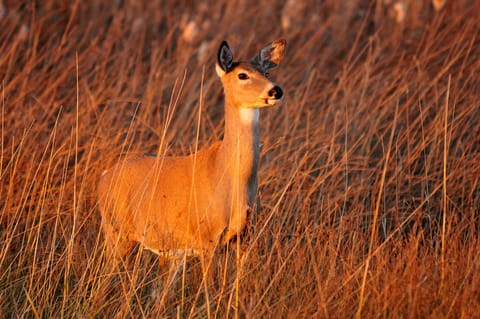
- GuideDo Deer Calls Work? What Rattling Research and Biologists SayDo deer calls work? Yes, with limits. A Texas rattling study drew bucks in 65% of tries, best during the rut. Grunt calls lack similar published study data.
- GuideDo Deer Decoys Work? When Decoys Pull Bucks In and When They SpookDo deer decoys work? Often, around the rut and where there are enough bucks. Decoys can also spook does. Set them upwind, 10 to 30 yards out, and check the law.
- GuideHow Fast Can a Crossbow Shoot? Today's Top Speeds and What They MeanHow fast can a crossbow shoot? The fastest models are rated above 500 fps, and Outdoor Life clocked one at 515. Here is what that extra speed actually buys you.
- GuideHow Much Wind Is Too Much for Deer Hunting? What the Data SaysHow much wind is too much for deer hunting? For deer, less than you'd think: GPS bucks moved more in 16 to 27 mph wind. For you, a windstorm ends a stand hunt.
- GuideHow to Start Bow Hunting: 7 Steps for BeginnersHow to start bow hunting: take hunter and bowhunter education, get fitted at a pro shop, practice for months, learn your state rules, then hunt deer close.
- GuideHow to Read a Topographic Map for Deer Hunting: Saddles and BenchesHow to read a topographic map for deer hunting: learn what contour spacing means, then find saddles, benches and funnels where terrain steers deer movement.
- GuideHow to Train a Dog for Shed Hunting: Steps From Fetch to FieldHow to train a dog for shed hunting: build a retrieve with an antler, hide it, take away your hand scent, then hunt real ground with the dog under your control.
- GuideHow to Tune a Bow for Broadheads: Field Point vs Broadhead GroupsHow to tune a bow for broadheads: paper tune with field points, shoot both at 20 yards, then adjust nock and rest until the groups match. Steps from Easton.
- GuideHow Do You Use a Rangefinder for Deer Hunting?How to use a rangefinder: focus the eyepiece, center the reticle on the deer, press to range, and pick the right angle and target mode for a stand or a stalk.
- GuideIs 300 Blackout Good for Deer Hunting? Range, Loads and Legal LimitsIs 300 Blackout good for deer hunting? Yes, inside about 125 yards with supersonic expanding bullets. Subsonic loads hit much softer, and some states bar it.
- GuideWhat Are Thermals in Deer Hunting? Rising and Falling Air ExplainedWhat are thermals in deer hunting? Slope air currents that rise as ground warms and sink as it cools, moving your scent. Learn when they flip and where to sit.
- GuideWhat Do Deer Calls Sound Like? Grunts, Bleats, Snorts and WheezesWhat do deer calls sound like? A guide to the grunt, bleat, mew, snort and snort-wheeze, per wildlife agencies, and the calls hunters use to copy them.
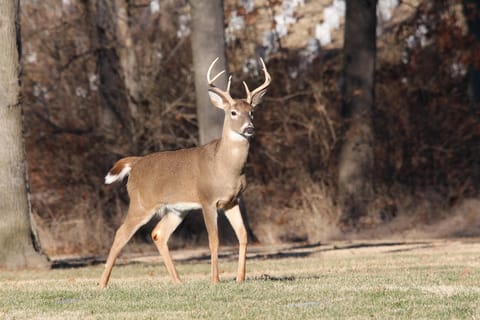
- GuideWhat Is a Deer Management Unit? DMUs, WMUs and Why Your Tag Depends on OneWhat is a deer management unit? It's the area a state uses to set deer goals, antlerless quotas and seasons. Michigan, Wisconsin and Pennsylvania examples.
- GuideWhat Is Best Deer Attractant? What Research and the Rules SayWhat is best deer attractant? Research says scent lures draw curiosity, not devotion, natural urine is banned in some states, and food is often illegal bait.
- GuideWhat Is the Best Moon Phase for Deer Hunting? What GPS Studies ShowWhat is the best moon phase for deer hunting? GPS collar studies in Mississippi and Pennsylvania found none, and the rut matters far more. Here's the data.
- GuideWhen Is the Best Time for Deer Hunting? Time of Day and Time of YearWhen is the best time for deer hunting? Dawn and dusk on any day, and the rut for daytime buck movement, which peaks in mid-November in Pennsylvania's woods.
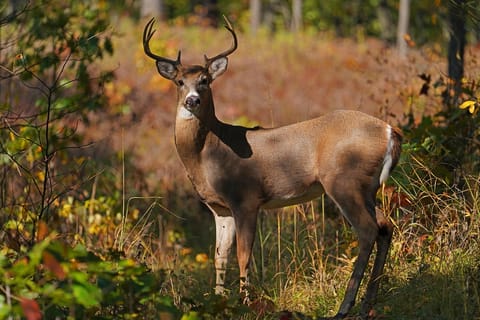
- GuideWhen to Use a Grunt Call for Whitetail Deer, by Season and SituationWhen to use a grunt call for whitetail deer: soft grunts in October, loud tending grunts near the rut peak, and never at a buck already looking your way.
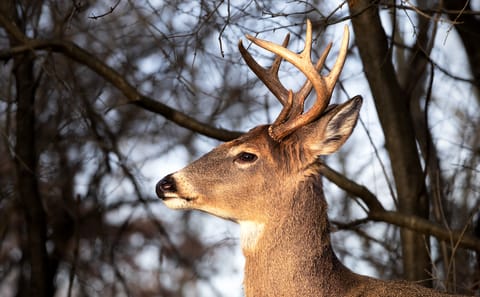
- GuideWhere Do You Shoot a Deer With a Crossbow?Where do you shoot a deer with a crossbow? Aim for the lungs on a broadside or quartering-away deer, and pass on head, neck, head-on and rear-end shots.
- GuideWhere to Hunt Whitetail Deer: Public Land, Access Programs and Private GroundWhere to hunt whitetail deer: national forests, wildlife refuges, state game lands, state access programs on private land, and private land with permission.
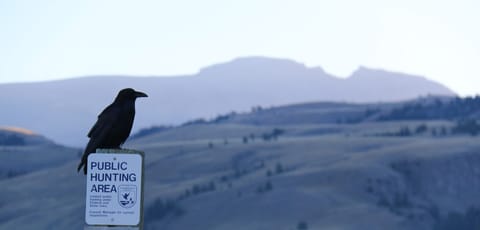
- GuideWhere to Shoot a Deer From a Tree Stand: Aim Higher, Skip Straight DownWhere to shoot a deer from a tree stand: aim a bit higher than on level ground to catch both lungs, take broadside or quartering away, and never straight down.
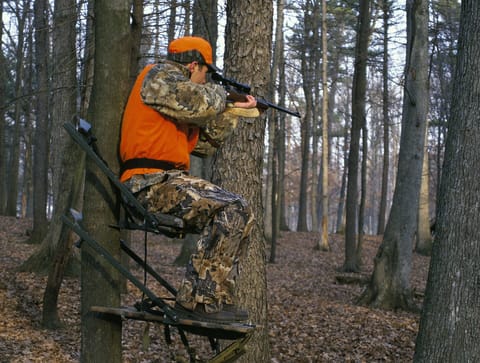
- GuideHow Good Is Ohio's 2026 Acorn Crop for Deer Hunters?Ohio's 2026 acorn survey found 60% of white oaks and 45% of red oaks bearing acorns. Here's what that means, area by area, before the Nov. 30 gun opener.
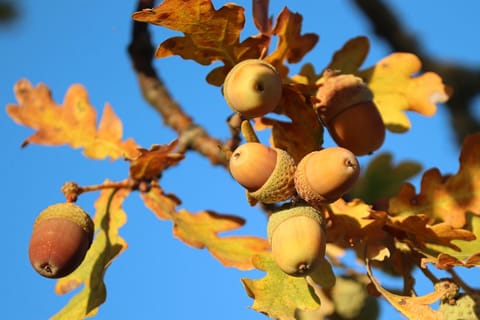
- GuideHow Airport Deer Hazards Affect Nearby Public HuntingDeer on airport movement areas are serious strike hazards, and FAA rules push airports to assess wildlife risk. Here is how that affects nearby public hunting.
- GuideCoues Deer Hunting: Where They Live, How to Hunt ThemCoues deer are Arizona's small mountain whitetails, managed as white-tailed deer and most common in the southeast. Here are habitat, tactics and scoring.
- GuideDecoy Safety for Deer Hunting: Shot Angles and Public Land EtiquetteA deer decoy can pull a buck into range and another hunter's muzzle toward you. Here is why Missouri sources urge caution with decoys in firearms seasons.
- GuideDeer Drives and Push Hunts: Methods, Safety, and Where LegalA deer drive moves hunters through cover while standers watch escape routes. Here is how drives work, how to run them safely and where they are legal.
- GuideDeer Hunting Tactics: Funnels, Staging Cover and TrailsDeer hunting tactics that put you where deer travel: funnels, staging cover, escape trails, fence crossings, small drives, calls, water holes and blind rules.
- GuideDo Does Stay in the Same Area Year After Year?Adult does are among most site-faithful large mammals. A Forest Service and University of Georgia study tracked 148 of them. Here is what it means for stands.
- GuideHow to E-Scout Public Land for DeerE-scouting public deer ground starts with ownership and access layers, then terrain and water, then agency rules. Here is a workflow using PAD-US and USGS maps.
- GuideEstrous Doe Bleats and Decoys: When They Help or HurtEstrous doe bleats are easy to overuse and hard to judge. Here is the modest claim calling articles agree on, and when sound and decoys help or hurt your hunt.
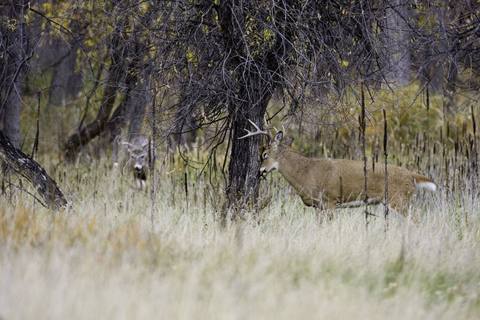
- GuideHow to Find Deer Funnels Using LiDAR MapsUSGS lidar elevation lets deer hunters see benches, saddles, inside corners and pinch points that topo maps blur. Here is how to map deer funnels with it.
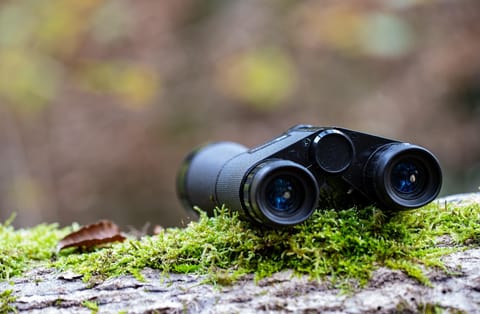
- GuideHow to Glass and Spot-and-Stalk Open-Country WhitetailsOpen-country whitetails in river breaks, CRP and big farm blocks reward binoculars and patience. Here are the basics of glassing and spot-and-stalk for deer.
- GuideHow Do You Read Deer Sign?How to read deer sign: rubs and scrapes are signposts, rub lines show travel, and about 85% of scrape visits happen at night. What it means for your stand.
- GuideHow to Mark Trees Legally When Scouting for DeerPaint, ribbons and blazes that look like timber marks are illegal on National Forest land under 36 CFR 261.6. Here is how to mark trails legally while scouting.
- GuideHunting Persimmon Trees: When Deer Hit the FruitPersimmon trees create short, intense soft-mast windows that can outdraw nearby timber when fruit softens and drops. Here is how to time stands on persimmons.
- GuideDo Mock Scrapes Work? Evidence vs FolkloreMock scrapes sit where real deer communication meets catalog folklore. Here is what research covered by the National Deer Association says about mock scrapes.
- GuideRattling Sequences for Whitetails: Timing by Rut PhaseTexas rattling research led by Dr. Mickey Hellickson tested loud versus quiet and short versus long sequences across rut phases. Here is what it found.
- GuideRiver Corridor Whitetails: Travel Routes and Stand PlacementRiver corridors concentrate deer travel because water, cover and edge browse line up in a narrow ribbon. Here is how to read travel routes and place stands.
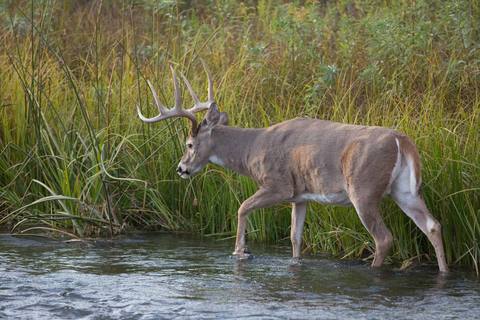
- GuideHow Big Should a Deer Sanctuary Be on Your Property?MSU says deer home ranges usually exceed private parcels, limiting what one owner can change. Here is how to size a sanctuary core against your acreage.
- GuideSitka Blacktail Hunting in Alaska for Whitetail HuntersSitka black-tailed deer live in Southeast Alaska, Prince William Sound and Kodiak. Here is how ADF&G harvest tickets and rules work for whitetail hunters.
- GuideAngled vs Straight Spotting Scopes for Ridge HuntingOn a ridge hunt, spotting-scope body angle is an ergonomics choice before a glass choice. Here is a look at what Vortex says about angled and straight scopes.
- GuideStill-Hunting Whitetails: Pace, Wind, and Terrain SelectionStill-hunting means moving slowly through deer cover, pausing longer than you walk, and spotting deer first. Here is how to pick pace, wind and terrain.
- GuideHow to Hunt Whitetails in Swamps and River BottomsBottomland hardwoods, beaver floodings and river swamps hide deer that never show on hilltop oak flats. Here are tactics for swamp and bottomland whitetails.
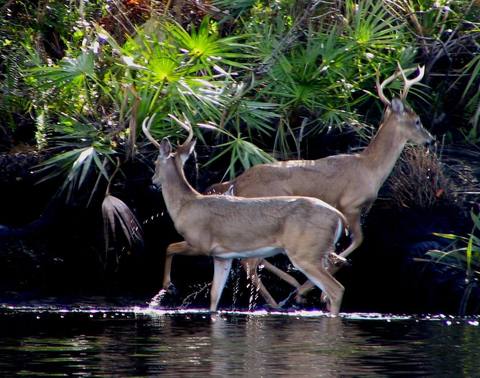
- GuideWhat Is Hunting Pressure, and How Do Deer React to It?What is hunting pressure? Penn State GPS-collar research on how deer react to hunters: less movement, smaller ranges and safe zones, not a switch to nocturnal.


