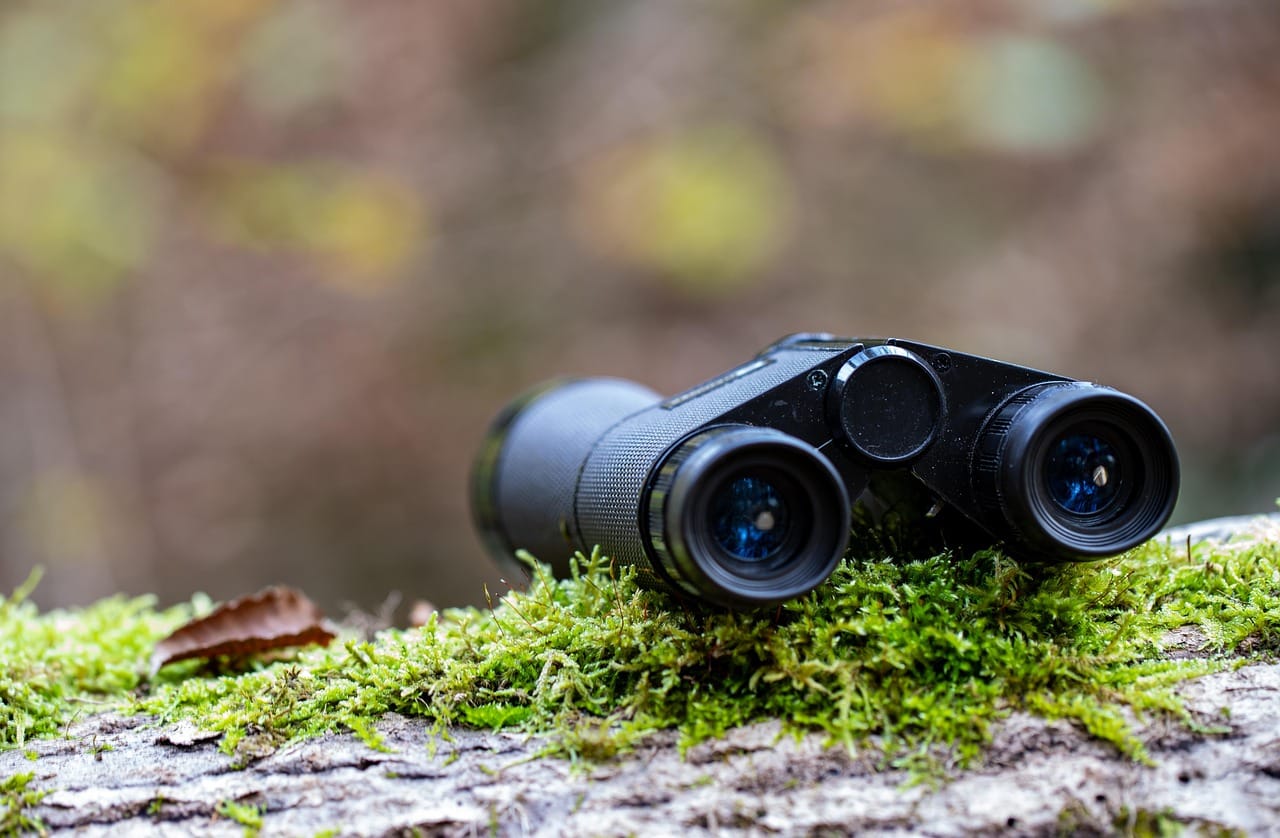
Glassing whitetail deer for a spot-and-stalk hunt means breaking open country into a grid with good optics, finding bedded or feeding deer, then planning a stalk that keeps wind and terrain between you and their eyes. It’s slower than driving field edges, and more honest about how far deer can see you (National Deer Association). In western river breaks, prairie CRP and big Midwestern ag blocks, binoculars and patience beat timber still-hunting habits.
Key Takeaways
- Grid glassing from a high seat or hillside beats random scanning. Work near-to-far and left-to-right in deliberate passes.
- Eight-power binoculars often hold steadier offhand than high-magnification glass for long sessions.
- Wind and sun angle decide stalk routes more than GPS shortcuts that put you on a skyline.
- Bedded bucks in CRP take patience. Wait for a stand-up or a feeding shift before your legs move.
- Spot-and-stalk ethics include knowing property lines and not pushing deer onto roads.
What binoculars do you need for glassing whitetails?
Pick binoculars you can hold for an hour without shaking. That’s often an 8x42 or 10x42 on a harness. A lightweight spotting scope helps you confirm antlers at distance, but it comes second to the binos that find deer in the first place. Rangefinding binoculars cut down on fumbling once you commit to a stalk.
Shade the objective lenses, because flare hides deer in CRP shine. Keep the dust caps on, wipe the lenses before the sit, and carry spare batteries for anything electronic. Open-country glassing fails more often from fogged glass and dead rangefinders than from a lack of deer. A five-minute optic check every sunrise fixes most of it.
How do you glass open country for deer?
Divide the country you can see into strips and spend a fixed amount of time on each one before moving on. Re-glass the strips when the light changes. Deer that were invisible at 7:05 show up at 7:25 when they turn a head or stand.
Glass early and late. Midday on sunbaked dirt makes mirage that ruins antler counts, so use those hours to nap, map the next morning’s knob, or move to a new vantage.
Can you glass from the truck?
To find a drainage, sure. But road glassing educates every deer along the gravel, and repeating road circuits every hour is how open-country deer go fully nocturnal. Use the truck to locate, then park legally and go on foot. Close the doors softly and glass again before you crest the first rise, because deer often bed just past the visual break from the road.
How do you learn where a buck beds?
Once you’ve found a buck’s bed twice, study the exit trails and sun angles. Glassing the same knob every morning teaches you which folds hide deer. Sketch it in a notebook. Memory fades after a long season.
How do you stalk a whitetail in open country?
Never walk straight at a deer. Use draws, fence rows and crop height, and move only when heads are down feeding or turned away. If the deer beds facing you with a clean view, wait. Many failed stalks are impatience wearing camo.
Keep the wind in your face or on a quarter that carries scent away from the bed. Open country forgives fewer scent mistakes because deer can circle into your wind sooner.
A partner helps. One hunter glasses while the other watches the stalk route for surprise deer. Radio whispers beat hand signals lost in CRP. Agree on a go/no-go wind before anybody leaves the glassing knob.
Does it change with a bow or a rifle?
A lot. Archery stalks need yards, not hundreds of yards. Glass to find the deer, then use terrain to reach a realistic bow range, or drop the stalk and plan a later intercept. Rifle hunters in legal open country still owe themselves a steady rest and a known range. Shooting sticks help on prairie rifle or crossbow shots.
Check legal methods for the unit before you go. Some prairie public lands restrict rifles or require shotguns only.
When should you call off a stalk?
Earlier than you want to. If the stalk needs skyline exposure or crosses a property boundary, quit. Another deer will stand tomorrow.
Write three abort triggers on a card: the wind shifts on you, a second deer appears on your flank, or the bedded buck stares a hole through your planned path. Then honor the card. After an abort, glass from a new angle instead of forcing the same line. Deer remember silhouettes on skylines longer than you remember your patience.
Know the lines before you start. Download plat maps before you glass across a valley that mixes public and private. A buck bedded on private CRP is not your stalk. Mark the boundaries on an offline GPS map so excitement can’t move the fence line mid-crawl.
How do you last a full day of glassing?
Treat it like the endurance event it is. Pack water, sunscreen and tick control, and schedule naps. A dehydrated, worn-out hunter makes skyline mistakes and educates more deer than a quiet hillside sit ever will.
Related: Deer rangefinder reflectivity limits and Whitetail home range size.
The other side of it
The article quietly admits the gravel road has its uses, since road glassing is how it suggests finding the drainage in the first place. On a short trip to big ag country, covering ground and checking more folds may turn up more bucks than parking on one knob and grinding through strips, and none of this advice is tied to a source anyway. Still, the guy who glasses from the truck bed and calls it spot-and-stalk is doing a lot more spotting than stalking.
Keep reading
Latest deer news
Comments