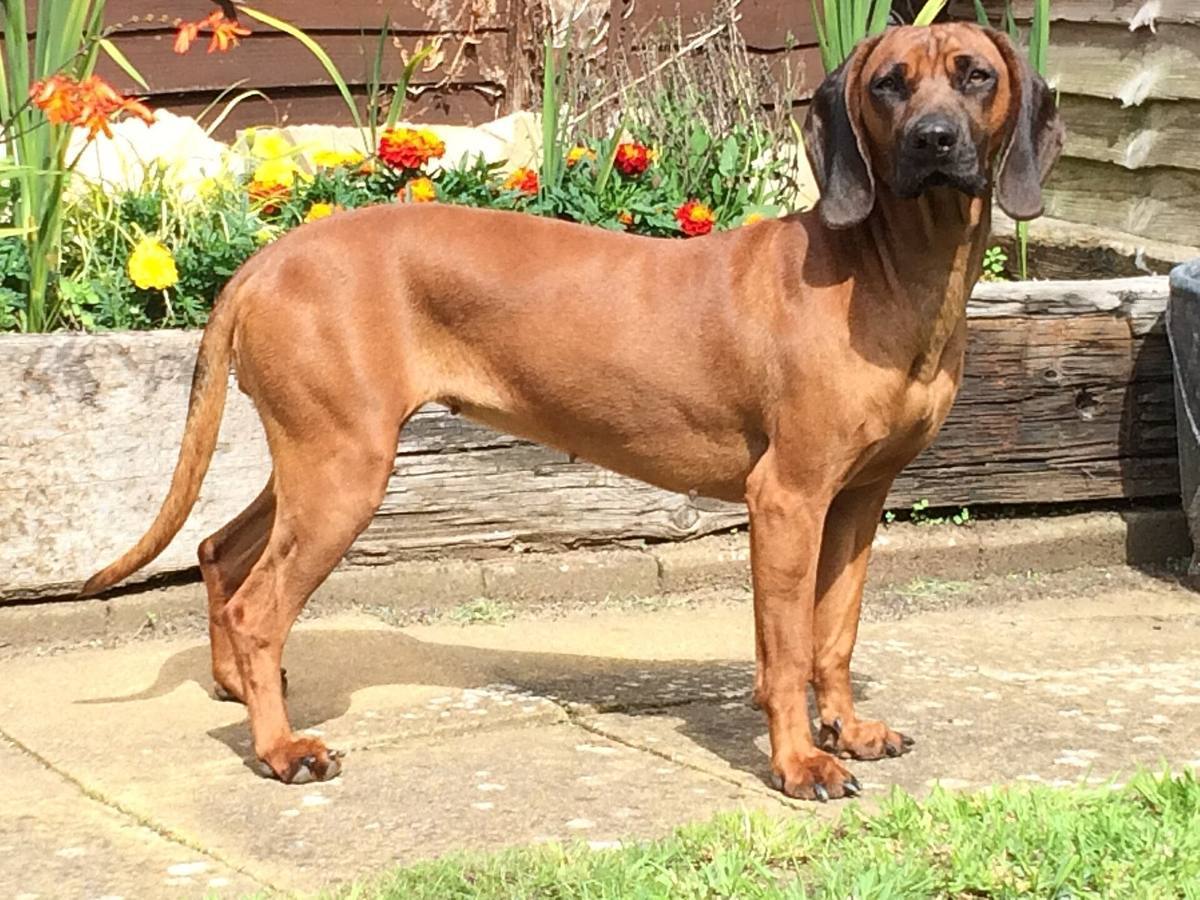
Running deer with hounds is a regional tradition with sharp legal edges. It remains lawful in parts of the Southeast under county maps, acreage permits, and collar rules, while many Mid-Atlantic and northern states ban pursuit dogs and allow only leashed tracking dogs after the shot (Georgia dog-deer seasons; Virginia 4VAC15-90-260; Alabama Rule 220-2-.112; South Carolina 50-11-310).
Key Takeaways
- Georgia allows dog-deer hunting only by DNR permit on private tracts of at least 250 acres or leased contiguous tracts of at least 1,000 acres in eligible counties; dogs and vehicles must show the permit number (Georgia dog-deer seasons; Ga. Comp. R. 391-4-2-.29).
- Alabama requires name/address/phone collars on deer dogs, bans casting from public rights-of-way without nearby landowner permission, and lists many counties as dog-prohibited or special-permit only (Alabama Rule 220-2-.112; Alabama deer seasons eRegulations).
- Virginia prohibits hunting deer with dogs in named counties and on listed WMAs, with tracking-dog exceptions under Code 29.1-516.1 (Virginia 4VAC15-90-260).
- South Carolina limits dog pursuit of deer to prescribed seasons in Game Zones 3 and 4; it is unlawful in Game Zones 1 and 2, and continuing a hunt after dogs enter land without permission can suspend hunting privileges (South Carolina 50-11-310; SC 50-11-770).
- “Hunting with dogs” definitions often start when dogs are cast to trail or bay deer, not only when a shot is fired (Ga. Comp. R. 391-4-2-.29).
How a dog deer hunt runs
Clubs cast hounds on permitted tracts to strike, trail, and bay deer while standers cover escapes and roads. Georgia’s regulation defines hunting deer with dogs as placing or causing dogs to pursue, trail, or bay deer whether or not a take occurs, and the hunt continues until handlers regain control (Ga. Comp. R. 391-4-2-.29). That definition matters at property lines: failing to keep dogs on the permitted tract is itself unlawful in Georgia (Ga. Comp. R. 391-4-2-.29). Alabama strongly encourages GPS and training collars even where not mandatory, and makes removing or disabling another hunter’s collar unlawful (Alabama Rule 220-2-.112).
Georgia: acreage permits and marked packs
Dog-deer seasons exist only in select counties and only with a property-specific DNR permit. Eligible land is privately owned at 250-plus acres or leased at 1,000-plus contiguous acres; applications need boundary documents and must arrive at least 30 days before hunting, earlier still for opening day (Georgia dog-deer seasons; Ga. Comp. R. 391-4-2-.29). Guests need written permission from the permittee. Entering or exiting except at mapped public-road access points without adjacent-landowner written permission is prohibited, as is interfering with public road or stream travel (Ga. Comp. R. 391-4-2-.29).
Alabama: collars, ROW casts, and county bans
Statewide Alabama rules require every deer dog to wear a collar listing the user’s name, address, and telephone number (Alabama Rule 220-2-.112). Casting dogs from a public right-of-way without permission of landowners adjoining within 50 feet of the release point is unlawful (Alabama Rule 220-2-.112). Within one mile of Talladega National Forest, written permission is required to let deer dogs enter another’s land (Alabama Rule 220-2-.112). Separate season tables list counties where dog deer hunting is prohibited except by special permit, or stalk-only with no dogs (Alabama deer seasons eRegulations).
Virginia and South Carolina boundaries
Virginia’s administrative code names counties and WMAs where hunting deer with dogs is unlawful, while still allowing defined tracking dogs (Virginia 4VAC15-90-260). Greene and Madison have a special closed window around firearms opener, and dog hunting is barred during antlerless-only deer seasons in any county or city (Virginia 4VAC15-90-260). South Carolina’s open-season statute ties dog pursuit to Game Zones 3 and 4; Zones 1 and 2 stay closed to that method (South Carolina 50-11-310). Section 50-11-770 penalizes continuing a dog hunt on land without hunting rights and protects the dog from harm while authorizing privilege suspension (SC 50-11-770).
Ethics that keep clubs on the map
Keep packs on deeded or permitted acres, mark dogs and trucks, carry written permission, and stop the cast when GPS shows a line jump (Ga. Comp. R. 391-4-2-.29; Alabama Rule 220-2-.112; SC 50-11-770). Neighbor conflict and legislative reviews follow road crossings and uncontrolled packs faster than any harvest argument. Travel hunters should verify the current county map the morning they cast, not last year’s club lore.
Bottom line
Hound deer hunting survives where statutes map zones, acreage, and collars; it is illegal or tracking-only elsewhere (Georgia dog-deer seasons; Virginia 4VAC15-90-260; South Carolina 50-11-310). Read the permit and the zone line before the first strike.
Related: Tracking and recovery hub and Alabama public hunting land.
Tracking dogs versus pursuit packs
Many states that ban running deer still authorize leashed or controlled tracking dogs to find already-shot animals. Virginia’s prohibition sections expressly carve out tracking dogs defined in Code 29.1-516.1 (Virginia 4VAC15-90-260). That is a recovery tool, not a hunting method: the dog is brought to a hit site after legal take, not cast to jump a live deer at daylight. Clubs that travel north for tracking work must leave the pack-hunting playbook at home and follow local leash, permit, and weapon rules on the blood trail (Virginia 4VAC15-90-260). Conversely, Southeast permit holders should not assume a recovery-dog statute elsewhere grants them the right to cast a full strike pack.
Before you join a club
Ask for the current Georgia permit number or Alabama county status in writing, confirm GPS collar IDs match the collar-label rule, and walk the property map against public roads where ROW casting is restricted (Georgia dog-deer seasons; Alabama Rule 220-2-.112). If dogs regularly spill onto neighbors, expect statute reviews like those discussed in South Carolina public feedback cycles (SC lawmakers dog hunting coverage). Good clubs treat line control as seriously as shot placement.
The other side of it
A skeptic on the next property over would say these rules read like a list of problems that keep happening. Collar labels and privilege suspensions exist because packs follow deer, not survey lines, and the article’s own sources show South Carolina lawmakers looking at the rules again after public feedback. Line control is a goal, not a guarantee. Every club swears its dogs never leave the lease, which is funny, since nobody ever explained the lease to the deer.
Keep reading
Latest deer news
Sources
- Dog-Deer Seasons - Georgia Hunting | eRegulations
- 4VAC15-90-260. Hunting with dogs prohibited in certain counties and areas.
- Rule 220-2-.112 Dog Deer Hunting
- South Carolina 50-11-310 (law.justia.com)
- Ga. Comp. R. & Regs. R. 391-4-2-.29 - Hunting Deer with Dogs, Permits and Violations | State Regulations | US Law | LII / Legal Information Institute
- Alabama Deer Seasons & Limits | eRegulations
- SC 50-11-770 (law.justia.com)
- SC lawmakers could revisit deer dog hunting rules after public feedback
Comments