USGS describes CWD as a contagious fatal cervid prion disease (USGS NWHC CWD). Neighboring states publish carcass import/export bans - often allowing only deboned meat, cleaned skulls, or quarters without backbone - to reduce human-assisted spread (USGS NWHC CWD). Hunters must read both the kill state’s and the home state’s current rules before crossing a border with a deer (USGS NWHC CWD).
Key Takeaways
- CWD is contagious among cervids (USGS NWHC CWD)
- Carcass movement bans reduce human-assisted spread (USGS NWHC CWD)
- Read both states’ current rules (USGS NWHC CWD)
- Deboned meat often allowed (USGS NWHC CWD)
- No vaccine on USGS overview (USGS NWHC CWD)
- Testing does not always waive bans (USGS NWHC CWD)
Why bans exist
Whole carcasses move infected tissues into new counties (USGS NWHC CWD).
Common allowances
Cut/wrapped meat, cleaned capes, finished taxidermy per state lists (USGS NWHC CWD).
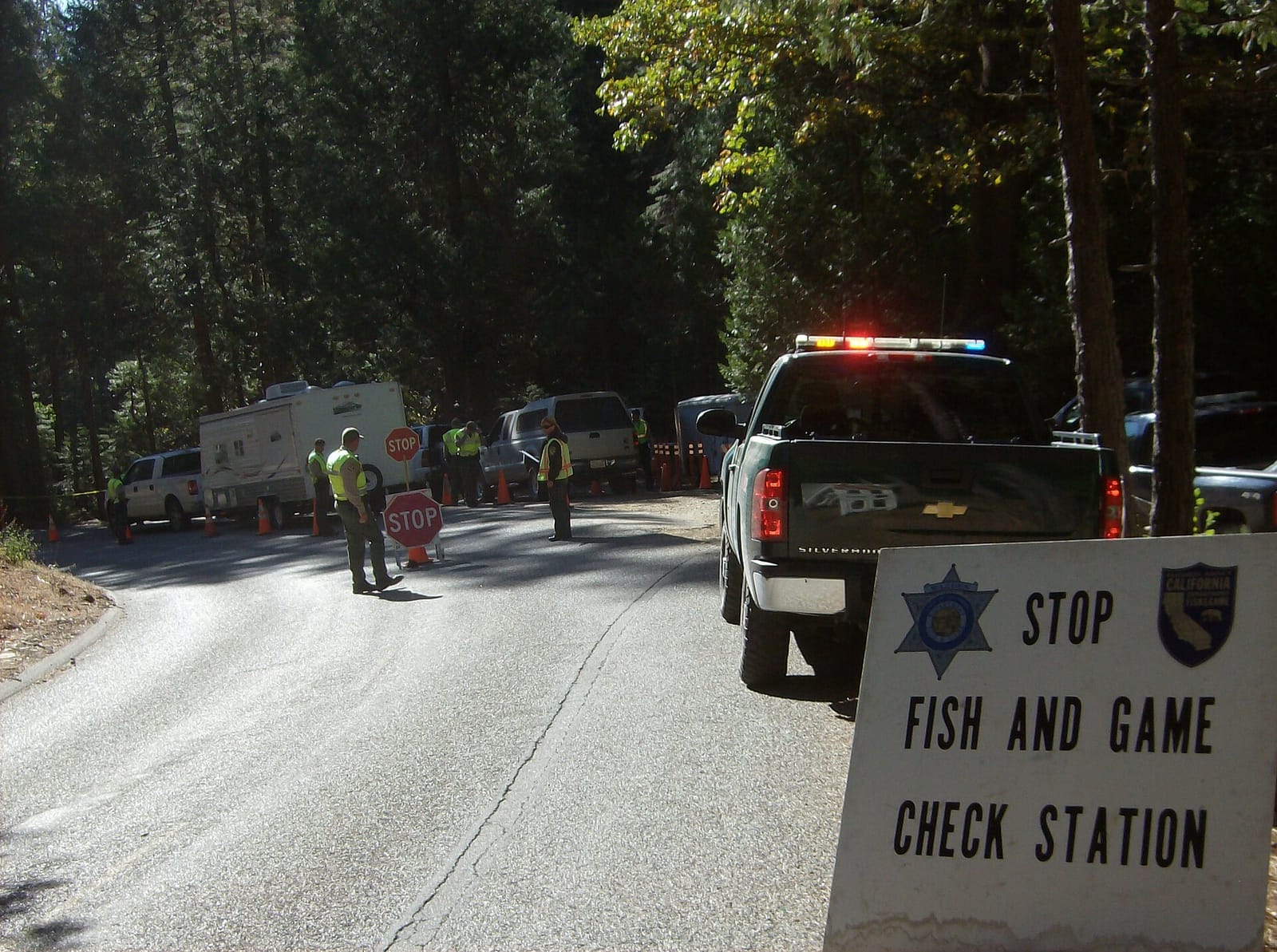
Check stations
Some states require testing before export (USGS NWHC CWD).
Taxidermy holds
Positive deer may face hold orders (USGS NWHC CWD).
Penalties
Violations can cost game and money (USGS NWHC CWD).
Recheck yearly
Zone maps expand (USGS NWHC CWD).
Bottom line
Obey CWD carcass transport bans on both sides of the border - USGS contagion science is why whole deer should not casually cross state lines (USGS NWHC CWD).
The other side of it
Not every rule quoted here is actually a ban. Wisconsin recommends against moving whole carcasses past an adjacent county, Missouri ties transport to telecheck, and some imports can go to licensed processors on a short clock, so a hunter who treats every border as a hard wall may be hauling home less than the law allows. Funny how the hunter who claims he never saw the import rules can recite the bag limit from memory.
Keep reading
Latest deer news
Comments