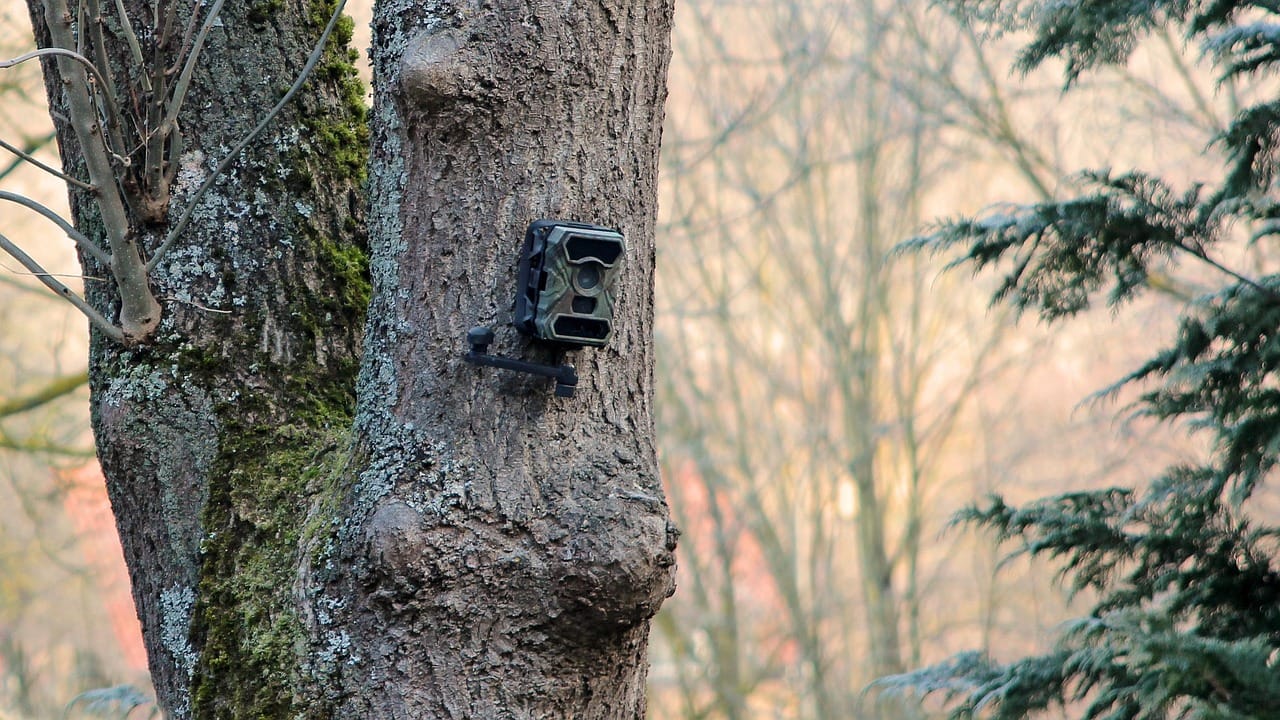
The pros of cellular trail cameras for deer hunting are fewer trips into your spot, since photos come to your phone instead of an SD card, and the backing of the National Deer Association, which supports all lawful trail cameras, cellular models included (NDA trail-camera position). The cons are battery drain, a data plan, public-land rules and outright bans, and a real argument over fair chase when a live alert sends you to the stand the same day (Wisconsin NR 45.04 trail cameras).
Key Takeaways
- NDA finds no data that trail cameras harm deer populations and endorses cellular units alongside conventional IR cameras (NDA trail-camera position).
- Cell cams cut disturbance on public land because you make fewer retrieval walks, but they still have to meet labeling, siting and ban rules (Wisconsin NR 45.04 trail cameras).
- Battery drain climbs with photo quality, burst and video settings, how often the camera transmits, weak signal and cold, according to camera makers SPYPOINT and Tactacam (SPYPOINT battery article; Tactacam battery article).
- Some western states restricted or banned trail cameras, and no battery or ethics argument changes that (NDA trail-camera position).
- Browning Trail Cameras said on Nov. 3, 2026, that compatible cellular cameras can automatically send new image thumbnails to onX Hunt through the Strike Force Wireless app (Outdoor Wire, Browning release).
What does a cellular trail camera do that a regular one doesn’t?
A conventional camera stores images until you walk in. A cellular camera uploads selected stills or clips to an app, email or text. That feedback loop lets you count bucks, watch food-plot use and catch trespassers without dumping scent on the trail every week (NDA trail-camera position).
On public ground it can mean one September hang and a November pull instead of Saturday card swaps that teach every deer your boot path (Wisconsin NR 45.04 trail cameras).
What are cellular trail cameras good for besides finding a buck?
Researchers and landowners use them for occupancy, fawn timing and trespass detection without disturbing the property every day, which fits NDA’s note on citizen science (NDA trail-camera position). A farm manager can check that antlerless harvest goals match what the night shift actually shows. Public-land groups can rotate cameras across parcels instead of staking a permanent plastic claim on one oak.
How long do cellular trail camera batteries last?
It depends on how hard you work the camera. SPYPOINT says the number of transmissions you make “plays a major factor in battery life.” Larger image files and multi-shot bursts add load, and the company says extremely cold temperatures are very hard on batteries (SPYPOINT battery article). Tactacam’s list of drains includes higher photo quality, burst settings, Pic+Video mode, cold weather and weak cellular signal (Tactacam battery article).
Tactacam rates lithium AAs above alkaline in the cold and tells owners to turn off Pic+Video unless they need video. Both makers sell solar panels and external battery packs for longer runtime (Tactacam battery article; SPYPOINT battery article). Signal matters too. SPYPOINT says the longer a camera has to search for usable signal, or the weaker the signal, the longer it spends transmitting (SPYPOINT battery article).
What can go wrong with a cellular trail camera?
A cellular camera needs a data plan to send photos. SPYPOINT, for one, says every device needs its own photo transmission plan (SPYPOINT plan FAQ). Theft happens too. Wisconsin’s rule says the department is not responsible for theft of or damage to trail cameras on its lands (Wisconsin NR 45.04 trail cameras). Budget for spare batteries and a mid-season physical check even if the app looks healthy.
Are cellular trail cameras fair chase?
NDA says there’s no evidence trail-camera use threatens fair-chase values as traditionally practiced. It also says it will evaluate new features case by case and support science-based standards when needed (NDA trail-camera position).
The camp argument is whether an afternoon buck alert that launches an evening sit is scouting or electronic pursuit (Outdoor Life fair-chase discussion). Plenty of hunters set their own limits: a delay before acting, daylight-only review, or pre-season-only cell use on public land. Review bursts at home, not on the drive into the same ridge. And if you hunt with a club, agree on the rules before someone sends a bedded buck to five phones.
Are cellular trail cameras legal everywhere?
No. Cell service doesn’t make a camera legal where unattended devices are banned, and it doesn’t get you out of Wisconsin-style name labels and field-of-view limits (Wisconsin NR 45.04 trail cameras). Some western states restricted or banned cameras after social conflict, a pattern NDA documented while still defending lawful use elsewhere (NDA trail-camera position).
Read the WMA or forest order before you activate a SIM. On DNR land, label the housing and aim away from trails and parking lots (Wisconsin NR 45.04 trail cameras). Pull it when you stop hunting a parcel so your camera isn’t the next ban exhibit.
Related: Trail cam buyer’s guide, public-land trail camera rules and Michigan public land hunting.
Can Browning cellular cameras send photos to onX Hunt?
Yes, according to a company release dated Tuesday, Nov. 3, 2026. Browning Trail Cameras is partnering with onX Hunt so that “compatible Browning cellular trail cameras can automatically share new image thumbnails to onX Hunt,” the release says, “allowing users to view wildlife activity alongside detailed maps, landownership information, and hunting-specific planning tools” (Outdoor Wire, Browning release).
The integration runs through the Strike Force Wireless app. It is available “for users with an active Strike Force Wireless account and a compatible Browning cellular trail camera.” After an onX Hunt account is connected, “users can choose which cameras to share. New image thumbnails from selected cameras are then automatically sent to onX Hunt” (Outdoor Wire, Browning release).
The release does not list compatible model numbers, a data-plan price or whether older photos already stored in the app are sent over.
This is an app hookup, not a new camera. It does not change the battery, plan, public-land or fair-chase limits covered above.
The other side of it
NDA finding no data that cameras hurt deer is not the same as somebody proving they don’t, and the battery advice here comes from camera makers rather than any independent test. The softer spot is that the fair-chase limits are all self-imposed, which means they hold right up until a big buck shows up on the phone at noon. Some western states decided the honor system wasn’t enough. Then again, the guy who swears his cell cam is strictly for inventory sure checks it a lot during lunch.
Keep reading
Latest deer news
Sources
- NDA trail-camera position (deerassociation.com)
- Wisconsin Legislature: NR 45.04(4)(c)
- Are You Killing Your Trail Camera Batteries? | SPYPOINT
- How Long Do Trail Cam Batteries Last? | Tactacam REVEAL
- Photo Transmission (data) Plan and Insiders Club Membership | SPYPOINT
- Is Hunting with Cellular Trail Cameras Fair Chase or Cheating? | Outdoor Life
- Browning Trail Cameras Partners With onX Hunt to Enhance the Digital Scouting Experience | The Outdoor Wire
Comments