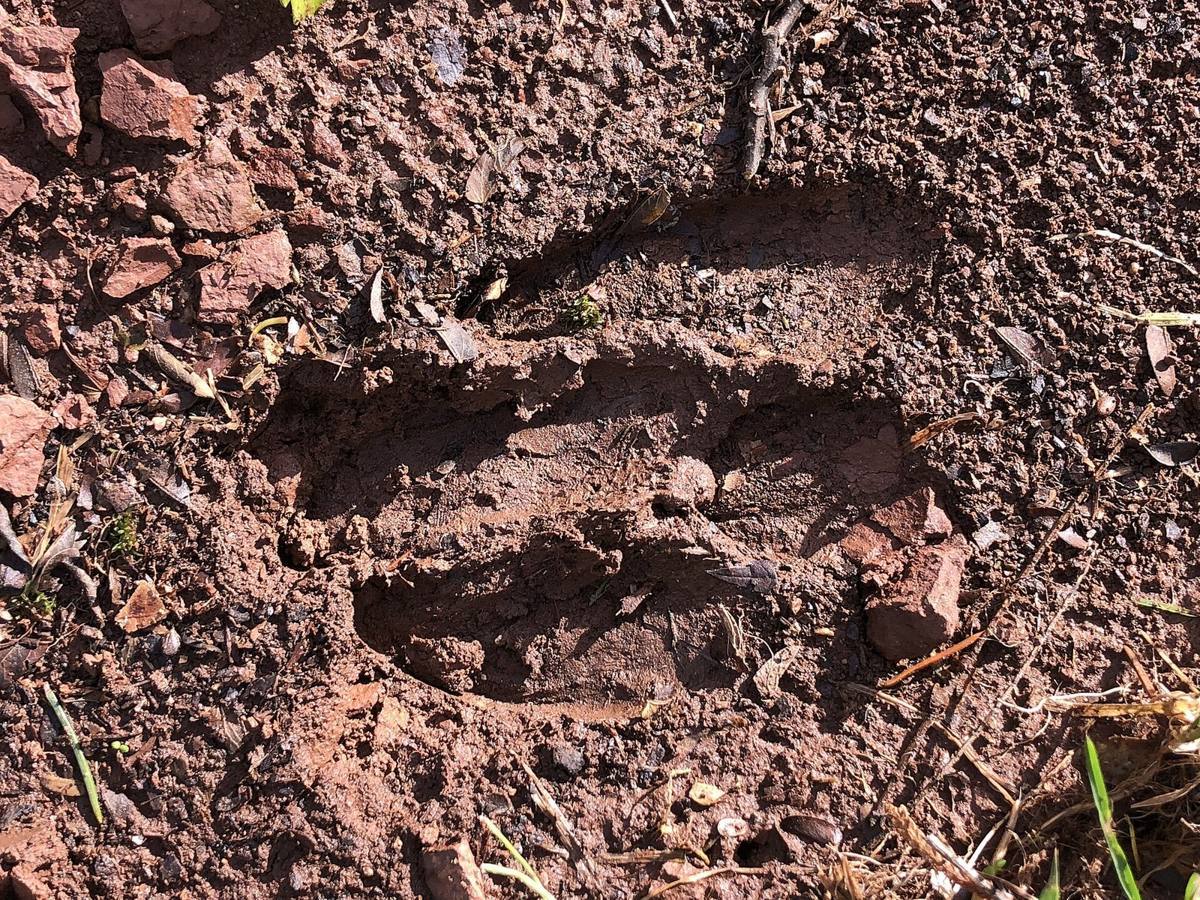
After the shot, recovery gear matters as much as the broadhead. Hunters buy white, red, green, blue, and UV “blood lights” promising easier trails. Manufacturer claims vary; what holds up in the woods is simpler: a bright white light still does the most work finding blood, hair, tracks, and disturbed leaves, while colored filters can help in some green vegetation and UV is easy to misunderstand. Pair any lamp with wound-timing discipline and, where legal, a tracking dog - light alone does not replace blood trail skill taught in hunter education (International Hunter Education Association).
Key Takeaways
-
White light reveals blood color, hair, bubbles, and track detail that monochrome filters can hide - start there on most trails.
-
Green or blue filters can increase contrast of dark blood on green plants for some eyes, but they struggle on brown leaf litter and mud.
-
UV lamps do not make deer blood fluoresce like TV crime scenes; at best they can show blood as dark against a brightened background, which is an unreliable primary method.
-
Battery runtime, beam throw, and a free hand for the weapon or GPS matter as much as LED color marketing.
-
Legal night-tracking rules and property permissions still govern when you may walk with any light after hours.
What you are actually trying to see
Blood sign is color, sheen, volume, and bubble pattern. Hair color and length tell impact height. Tracks and leaf scuffs tell direction. A lamp that washes out color to chase a gimmick costs you information. White light remains the default because it preserves that multi-signal picture.
On green clover or winter wheat, some hunters prefer a green beam because blood spots read darker against brightly lit foliage. On oak leaves, the same filter can erase contrast. Carry white as primary and optional filter as secondary.
UV myths versus field physics
Social media clips imply UV makes blood glow. Hemoglobin and typical deer blood do not fluoresce under consumer UV the way some laundry brighteners do. What you may see is a dark blotch on a background that reflects UV. That can help in narrow cases and fail completely on absorbent dirt.
Do not build your recovery plan around UV. If you own a UV light, treat it as a last adjunct after white-light grids fail - not as step one.
Spec features that matter more than color
Look for lumen output you can step down (night vision preservation for you and less skyglow), a focused hotspot for distance scanning, a flood mode for grid searching on hands and knees, weather sealing, and a lockout so the light does not fire in a pack. Headlamps free both hands for marking flagging tape.
Runtime at the output you actually use beats peak lumen numbers measured for ads. Carry one spare power source on any gut-shot wait.
Process before gadgets
Mark the hit site, wait based on shot angle, and grid into the wind only when you must. Lights help after you are on a trail; they do not fix a pushed deer. Hunter-education tracking modules still outrank LED marketing.
Where state law allows leashed tracking dogs, that biological nose outperforms any diode. Know permit rules before you call a dog handler at midnight (related: tracking dog state rules).
Safety
Another hunter may be in the same timber. Wear blaze if required for the season even while tracking, announce yourself, and keep the muzzle controlled when you bend over sign. Colored lights that make blood obvious can also make your position obvious - fine for recovery, bad if you silhouette on a ridge during a drive.
Buying without folklore
Ignore packages that promise UV will “make blood light up like paint.” Prefer a reputable white headlamp plus an optional green filter sleeve (IHEA hunter education). Test both on a paper blood spot on green grass and on brown leaves in your yard before season.
Bottom line
Blood-tracking lights help when they preserve contrast and free your hands; white light does most of the honest work, colored filters are situational, and UV is a misunderstood adjunct - never a substitute for patience and trail craft.
Club kit standard
Issue every new member a headlamp with fresh batteries and a roll of reflective tack. Ban sole reliance on phone flashlights - phones die and destroy night vision with blue-white screens. Practice a timed grid search on a marked ketchup trail before opener so arguments about UV happen in the driveway, not over a lost buck.
If your state publishes tracking-dog rules, laminate that page in the kit box beside the lamps. Gear without legal context still loses deer.
When sign vanishes
Snow helps; rain hurts. In rain, focus on hair, tracks in mud, and the last confirmed blood, then grid downslope and toward bedding. Light choice matters less than refusing to walk circles that wipe micro-sign. Come back at first light with fresh eyes and white flood light across the suspected bed.
Spec checklist before you buy
Minimum useful kit: a headlamp with high/low/red modes, 5,000 mAh-class USB battery or spare cells, weather rating for rain, and a handheld white light with at least a medium throw for scanning ahead of the trail. Optional: clip-on green filter. Skip UV unless you already own it and understand its limits.
Practice marking blood with biodegradable flagging every few yards so you can reverse the trail if you overrun sign. Light without a marking habit still loses deer in thick cover.
Related: Tracking dogs after the shot and Shot placement for deer with a bow.
The other side of it
The piece rules for white light without citing any testing, and its only source is a hunter education homepage. It also admits green filters help some eyes, which makes light color a hunter-by-hunter question that a blanket white-first rule can’t fully settle. The hunters who swear UV found their deer are usually the same ones who didn’t wait long enough on the gut shot.
Keep reading
Latest deer news
Comments