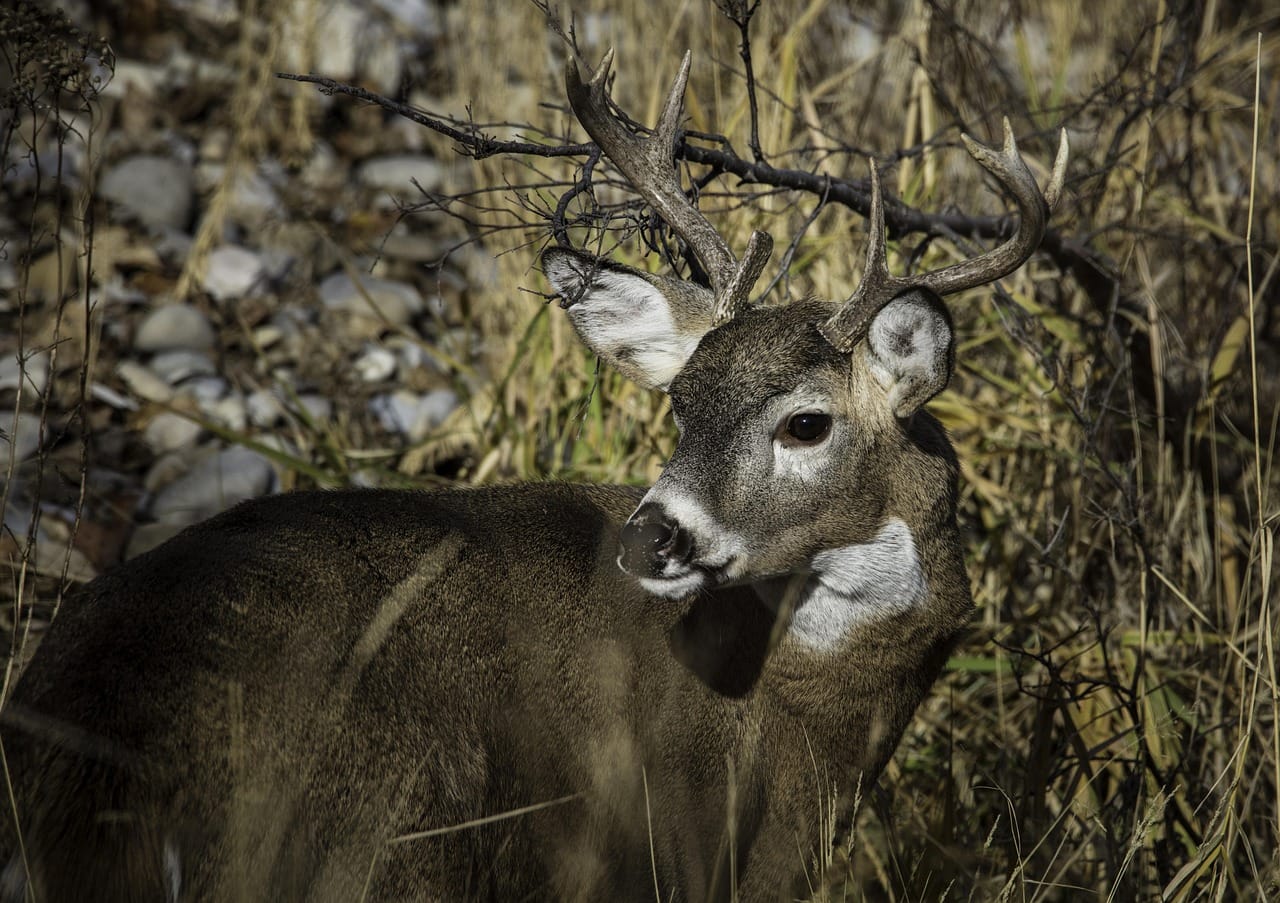
Kansas Department of Wildlife and Parks links mid-November to peak deer breeding when discussing fall deer-vehicle crashes - the clearest agency timing cue publicly emphasized (KDWP wildlife vehicle crashes). KDWP notes that during rut deer travel more, pay less attention to hazards, and move as crops are harvested and leaves fall (KDWP wildlife vehicle crashes). Your legal seasons still come from KDWP deer hunting pages and the current regulations - not from crash messaging alone (KDWP deer).
Key Takeaways
- KDWP states deer breeding season (rut) peaks in mid-November and links that peak to higher deer-vehicle collisions (KDWP wildlife vehicle crashes).
- Pre-rut antlerless firearm windows are harvest tools - do not confuse a named season with peak chasing week (KDWP deer).
- Archery hunters often sit the heart of November movement while firearms timing depends on the current structure (KDWP deer).
- Scout weekly through early November as CRP and crop edges change overnight.
- Drive carefully at dawn and dusk in mid-November.
Pre-rut season versus biological peak
KDWP’s October pre-rut antlerless firearm window is a harvest tool timed before mid-November breeding intensity highlighted in crash messaging (KDWP deer; KDWP vehicle crashes). Do not confuse the named season with peak chasing week. If you want breeding chaos, plan mid-November sits inside whatever weapon season is legal that year.
Archery advantage
With firearms opening after Thanksgiving in many recent Kansas structures, archery hunters often sit the heart of November movement (KDWP deer). Always re-check the current year’s dates - structures change. Carry the deer page PDF or screenshot in your phone so camp arguments end quickly.
CRP and crop timing
Harvested fields and CRP edges change deer security overnight. Scout weekly through early November rather than trusting last year’s pin. KDWP notes that many deer move to new locations as crops are harvested and leaves fall, leaving them less secure than in summer habitats (KDWP vehicle crashes). That same insecurity creates daylight movement worth hunting - and road crossings worth slowing for.
Road safety is part of the rut plan
KDWP advises watchfulness at dawn and dusk, watching for more than one deer, reducing speed near wooded areas and water, and not swerving wildly to avoid a deer (KDWP vehicle crashes). Shorter fall days put dusk and dawn on top of commute traffic while deer are moving. If you hit a deer, follow KDWP salvage-tag and reporting guidance on the same page (KDWP vehicle crashes).
Public and walk-in pressure
Popular WIHA and public tracts near cities crowd on peak November weekends. Hunt Tuesday-Thursday when possible, walk past the first shelterbelt, and keep a backup parcel. Breeding bucks still use secondary travel when primary edges are lit by truck lights.
Building a Kansas log
Record date, county, crop status, wind, and behavior. Mid-November peaks can shift a few days with weather and herd condition, but KDWP’s mid-November framing is the planning anchor (KDWP vehicle crashes). After two seasons your county log will beat a national map.
Doe harvest and management context
Kansas deer management uses antlerless opportunity deliberately. Mid-November breeding intensity does not mean you should skip doe tags if your unit needs harvest. Read KDWP deer pages for bag limits and season types before you turn every sit into a buck-only vigil (KDWP deer).
Stand placement during peak breeding
Sit travel between bedding cover and remaining food, downwind of expected doe groups. Avoid skyline fence crossings that silhouette you against wheat stubble. Quiet entry matters more when bucks are covering ground - one careless ATV pass can clear a section.
Bottom line
Plan Kansas breeding around mid-November per KDWP crash and rut messaging, overlay current KDWP deer season dates, and scout crop/CRP changes weekly (KDWP vehicle crashes; KDWP deer). Drive like the rut is real - because KDWP says the collision peak is.
County-level scouting rhythm
Kansas deer use shelterbelts, CRP, creek bottoms, and crop edges that change weekly in harvest season. Walk or glass your county every weekend from late October through mid-November and photograph food left standing. KDWP’s note that deer relocate as crops come off is your scouting brief (KDWP vehicle crashes).
How mid-November sits feel different
Expect more daylight buck movement, more chasing across open pivots, and more road crossings. Expect also more hunter trucks. Arrive earlier, park farther, and keep conversations quiet. Mid-November peak framing from KDWP is about biology and collisions - your job is to turn that into disciplined stands (KDWP vehicle crashes).
Regulations worksheet
Print KDWP deer season tables for your season types and highlight legal antlerless days separately from buck opportunity (KDWP deer). If you are managing a lease for population control, schedule doe sits on legal days even when bucks are chasing - management does not pause for peak week.
Salvage tags and crash aftermath
If your hunt commute ends with a deer collision, KDWP requires a salvage tag to remove a carcass and sets reporting rules for injury or significant property damage (KDWP vehicle crashes). Know that before November so you are not guessing on the shoulder at dusk.
Gear for open-country November
Wind is constant on prairie edges. Pack quiet outer layers, solid binoculars, and stakes or sticks that work in soft CRP soil. Rangefind fence gaps before the sit. Breeding bucks cross openings fast - know your yardage.
Community expectations
Tell non-hunting family that mid-November means slower evening drives and no dusk texting behind the wheel. Share KDWP’s collision tips. Rut week is a public-safety story as much as a hunting story in Kansas (KDWP vehicle crashes).
The other side of it
The weak link is the source. KDWP’s mid-November peak comes out of deer-vehicle crash messaging, and a road-safety warning describes a broad window, not a week-by-week forecast for one county’s bucks. The article itself concedes weather and herd condition can shift the peak a few days and change how much chasing you see at noon. Rifle hunters also have to live with the calendar, since firearms opening after Thanksgiving mostly misses that peak.
Keep reading
Kansas's biggest bucks in the record book →
Latest deer news
Comments