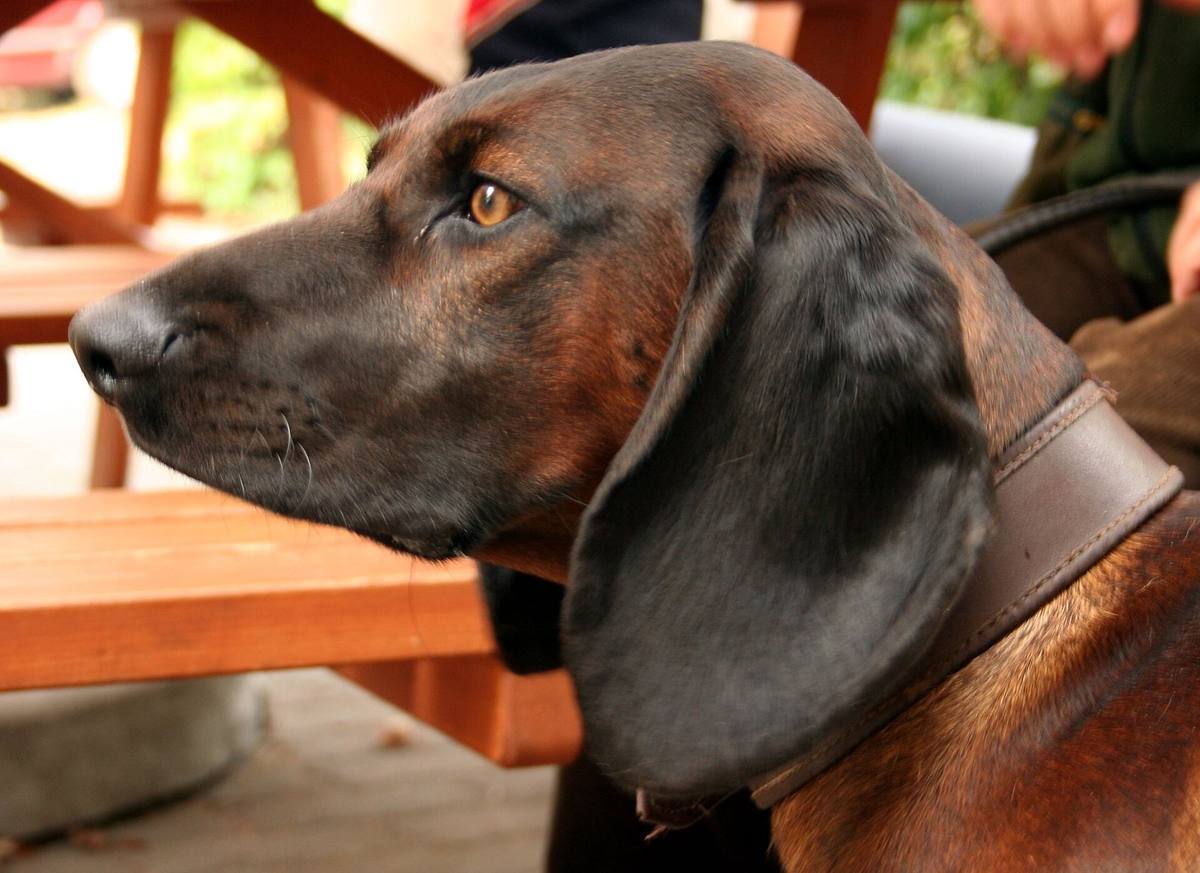
Many states already allow it, with rules that look a lot alike: a leash or control requirement, landowner permission, limits on who carries a weapon, and sometimes a permit or a phone call to wardens first. The debate is over whether the remaining holdouts should follow and how tight the guardrails should be. Unlike drone recovery, tracking dogs come with long tradition, and the law reflects it.
Key Takeaways (verified 2026-11-05)
- Michigan: trackers need a DNR permit and must log the start and end of every track; the hunter who wounded the deer must accompany the tracker and is the only one who may dispatch and tag it (Michigan DNR).
- Maryland: tracking with a dog counts as hunting; the hunter must notify Natural Resources Police first, and the handler must keep physical control of a leashed dog (COMAR 08.03.04.19).
- Louisiana: Act 272 (2024) allows one tracking dog on a leash or GPS collar, lights, and a handgun to dispatch a deer found alive after hours. It does not apply on LDWF WMAs (LDWF).
- Iowa: dogs must be on a lead no longer than 50 feet, and no firearm or bow may be carried outside legal hours (Iowa Code 481A.56A).
What are we actually arguing about?
Recovery versus hunting. Every rule above tries to keep a recovery track from becoming a dog hunt or a night hunt. Louisiana’s release says its restrictions exist “to prevent the unlawful use of dogs to hunt deer and nighttime hunting activity” (LDWF).
The strongest case for tracking dogs everywhere
Hunters lose wounded deer. In a Maryland Navy base study, about 18 percent of deer hit by bowhunters were not recovered (Pedersen et al. 2008). Louisiana’s law, per LDWF, “recognizes the ethical obligations of a hunter to recover game they have taken and provides for a legal method to do so” (LDWF). Pennsylvania allows leashed tracking dogs to aid in recovering game, per its 2026-27 digest (PGC digest).
The strongest case against, or for tight limits
Enforcement. A dog in the woods at night, with lights and a handgun, looks a lot like a hunt. That is why Maryland defines dog tracking as hunting subject to all hunting laws, and why Iowa bans firearms and bows during after-hours tracks (COMAR; Iowa Code). Landowners also have a stake: Maryland, Iowa, Michigan and Louisiana all require permission to track on private land (COMAR; Iowa Code; Michigan DNR; LDWF).
What does the evidence say?
- Lost deer: documented. About 18 percent unrecovered in Maryland; in an Oklahoma study, 11 of 22 collared bucks shot by archers were not recovered (Ditchkoff et al. 1998).
- Dog recovery rates: not found. We found no agency or peer-reviewed numbers on how many deer tracking dogs recover that would otherwise be lost.
- Abuse: a stated risk. The rules describe what agencies fear; none of our sources measures how often it happens.
What changes the answer?
- Leash or GPS collar. Maryland and Iowa require a lead; Louisiana allows either; Michigan allows unleashed dogs on department land if the tracker can control them (Michigan DNR).
- Who dispatches. Michigan limits it to the hunter who wounded the deer (Michigan DNR).
- Public land. Louisiana’s law excludes LDWF WMAs (LDWF).
- Paperwork. Permit and logs in Michigan, a call to police in Maryland, and a leashed-dog allowance in Pennsylvania’s digest (PGC digest).
Your call
The states we checked converge on a model: leash or control, permission, unarmed helpers, and a clear dispatch rule. So: if your state allowed tracking dogs under those rules, what would still worry you, and would a phone call to wardens before each track settle it?
Related reading on RAD:
The other side of it
A great tracking dog is not a substitute for a good shot. If you need the dog every season, the dog is not the problem.
Sources
- Dog tracking
- .19 Use of Dogs for Tracking Deer and Black Bear. | Library of Maryland Regulations
- Governor Jeff Landry Signs Act 272 into Law Relative to Tracking Mortally Wounded Deer with Dogs | Louisiana Department of Wildlife and Fisheries
- Iowa Code 481A.56A (legis.iowa.gov)
- Wounding Rates of White-tailed Deer with Modern Archery Equipment
- PGC digest (pa.gov)
- Ditchkoff et al. 1998 (deerlab.auburn.edu)
Comments