Key takeaways
Carbon monoxide (CO) is a colorless, odorless gas from incomplete combustion of fuels used in portable heaters, propane appliances, and engines; it can kill inside enclosed blinds and wall tents (CPSC Carbon Monoxide Information Center). Never run unvented fuel-burning heaters in airtight deer blinds or with blocked vents; CPSC warns that CO incidents cluster around portable generators and heating equipment used indoors or in semi-enclosed spaces (CPSC Carbon Monoxide Information Center). Battery or catalytic products marketed for blinds still need the manufacturer’s outdoor/venting instructions - if a flame or glowing element consumes oxygen in a sealed box blind, treat CO as a primary hazard (CPSC Carbon Monoxide Information Center).
Why blinds concentrate risk
Small volumes and plastic/canvas shells let CO climb fast; sleeping or long sits increase exposure time (CPSC Carbon Monoxide Information Center).
Detector practice
Use a battery CO alarm rated for the temperature range you hunt; place it at sitting height, not buried in gear (CPSC Carbon Monoxide Information Center).
Fuel choice
Prefer electric heated clothing powered from external batteries over open-flame blind heaters when the blind cannot vent (CPSC Carbon Monoxide Information Center).
Symptoms that mean exit
Headache, dizziness, weakness, nausea, or confusion during a heated sit means extinguish fuel, get outdoor air, and seek medical care (CPSC Carbon Monoxide Information Center).
Hunt-day checklist
- Vent the blind or skip combustion heaters (CPSC Carbon Monoxide Information Center).
- Pack a CO alarm for overnight or multi-hour heated sits (CPSC Carbon Monoxide Information Center).
- Keep generator exhaust far downwind outside any shelter (CPSC Carbon Monoxide Information Center).
Official digest checks
Read CPSC CO guidance before installing any fuel heater in a blind (CPSC Carbon Monoxide Information Center).
Field notes
Write heater type, vent plan, CO alarm tested yes/no, and fuel stored outside the blind (CPSC Carbon Monoxide Information Center).
Party protocol
If one hunter feels ill, evacuate everyone - CO sickens groups sharing air (CPSC Carbon Monoxide Information Center).
Why enclosed blinds concentrate CO
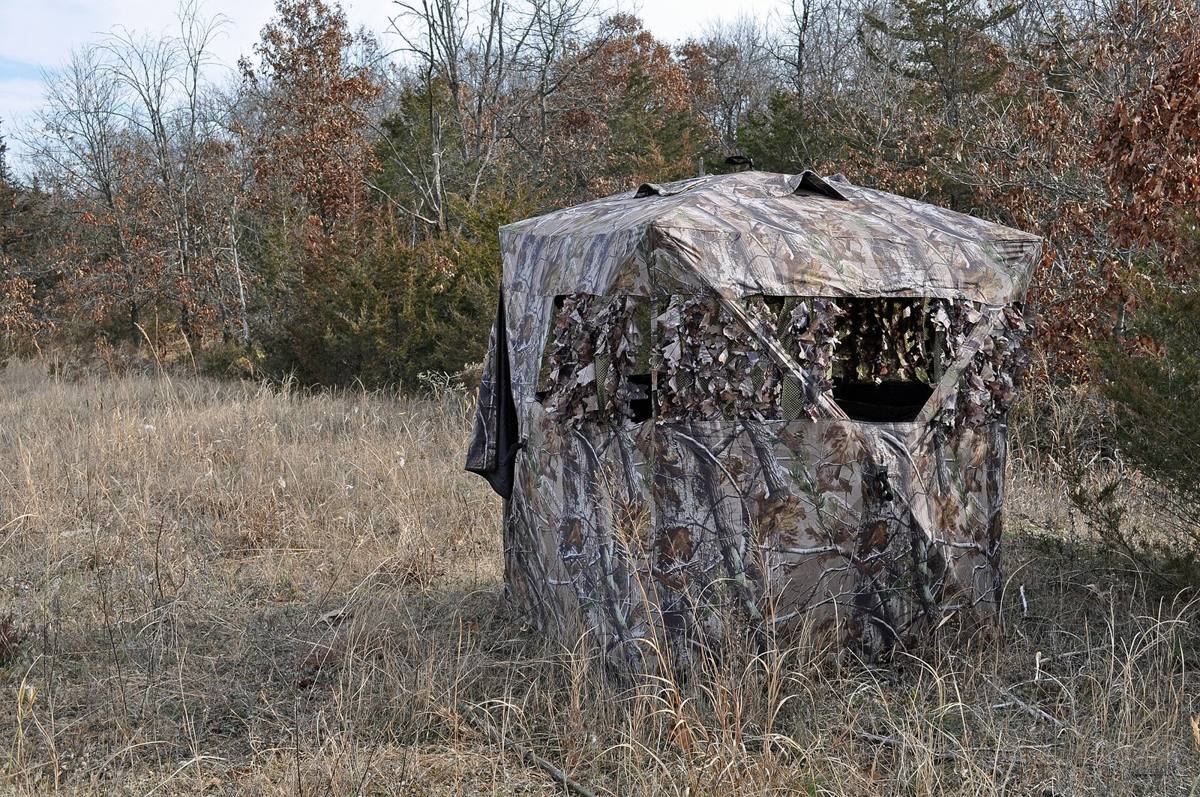
Carbon monoxide is a colorless, odorless gas produced by incomplete combustion; CPSC warns that portable generators, camping heaters, and fuel-burning devices used in enclosed or poorly ventilated spaces can kill without obvious warning (CPSC Carbon Monoxide Information Center). A deer blind with closed windows, a roof, and a propane or catalytic heater behaves like a small enclosed shelter - the same ventilation failure mode CPSC describes for cabins and tents (CPSC Carbon Monoxide Information Center).
Symptoms and detector habit
CPSC lists headache, dizziness, weakness, nausea, vomiting, chest pain, and confusion as CO symptoms that hunters can mistake for fatigue or cold stress; install a battery-powered CO alarm listed to a recognized standard whenever a fuel-burning heater is used indoors or in a blind, and leave immediately if the alarm sounds or anyone feels ill (CPSC Carbon Monoxide Information Center). Never sleep in a heated blind with a fuel-burning device running (CPSC Carbon Monoxide Information Center).
Heater choices that stay outside the risk box
Prefer electric heaters only where a safe external power source exists; if you must use combustion heat, keep the heater outdoors or in a fully open-air setup CPSC would treat as ventilated, and never run a generator inside the blind or against an air intake (CPSC Carbon Monoxide Information Center).
Generator placement
CPSC specifically warns against using portable generators indoors or in partially enclosed spaces; place any generator far from the blind air intake and never feed exhaust toward windows or roof vents (CPSC Carbon Monoxide Information Center). If anyone in the blind develops headache, dizziness, or nausea, get into fresh air immediately and seek medical help - do not re-enter until the blind is ventilated and the heater is off (CPSC Carbon Monoxide Information Center).
The other side of it
Every warning here comes from general CPSC guidance about generators, cabins and tents, not from any count of hunters hurt in deer blinds, and plenty of box blinds with a window cracked are a long way from a sealed box. A skeptic would say the real risk lives in the overnight, closed-up sit, not the cold morning with a little heater. Fair enough. But the guy who’s run that heater for years and feels fine also thinks his headache is from the coffee.
Keep reading
Latest deer news
Comments