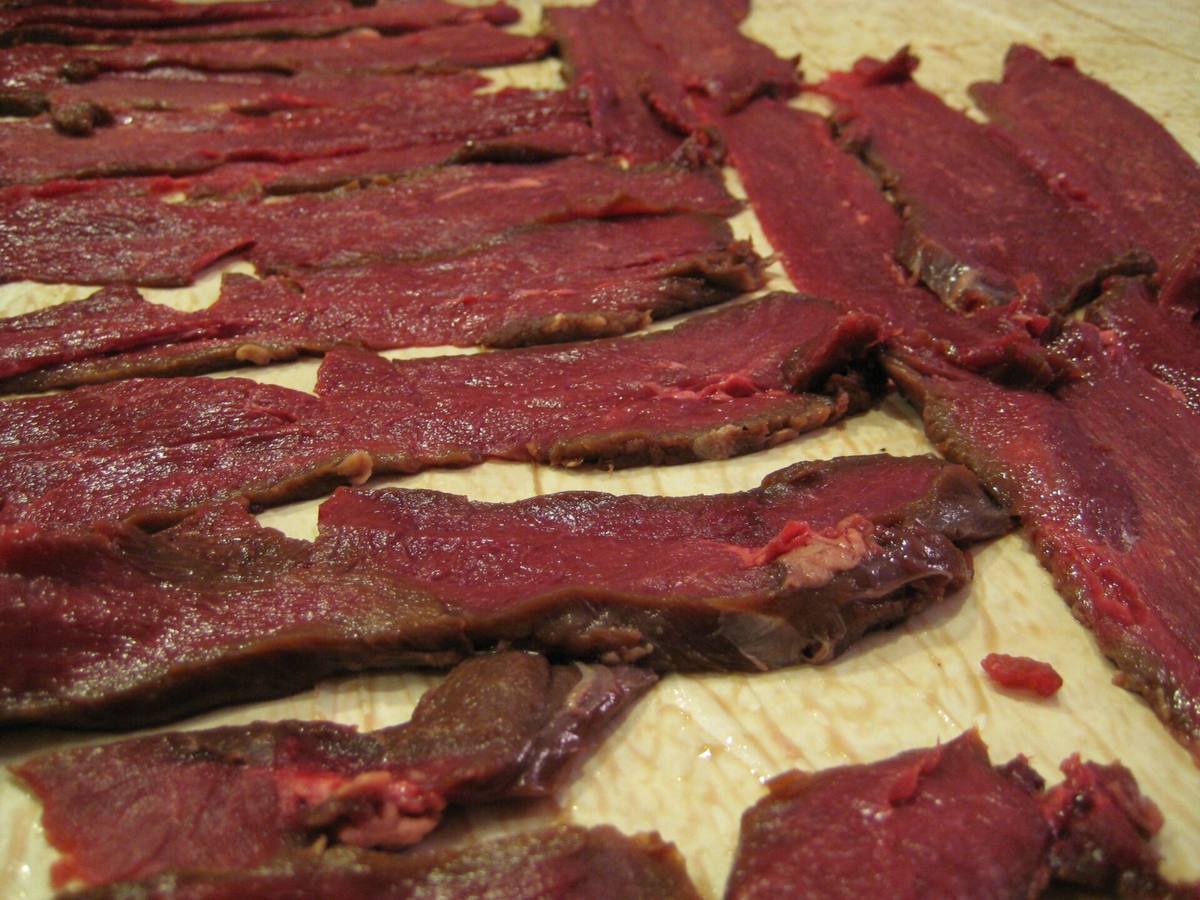
Bone broth from deer bones has a safety and lead concern that a trimmed steak doesn’t: if the deer was shot with a lead bullet, fragments along the wound channel and in shattered bone can end up in the pot. Minnesota DNR research shows lead fragments travel farther in a carcass than many hunters expect (Minnesota DNR lead for hunters; Minnesota DNR lead study summary), and the FDA says there is no known safe level of lead exposure (FDA lead in food). Bones from deer taken with lead-free bullets, or bones well away from the wound, make the cleaner stock.
Key Takeaways
- Minnesota DNR reports lead fragments in hunter-harvested venison and documents how common bullet types fragment (Minnesota DNR lead for hunters; Minnesota DNR lead study summary).
- Illinois DPH advises trimming at least four inches around the bullet path and throwing out bruised or contaminated meat (Illinois DPH lead in venison).
- Wisconsin DHS recommends generous trimming around wound channels and notes that ground meat can spread fragments you can’t see (Wisconsin DHS lead in venison).
- Lead-free bullets remove the ammunition source of fragments. Broth from bones near a lead wound channel is still a poor idea (Minnesota DNR lead for hunters; Wisconsin DHS lead in venison).
Why is deer bone broth riskier than a venison steak?
Lead fragments lodge along wound channels and can scatter when a bullet hits bone. Broth that boils shattered shoulder or rib bones from a lead impact zone pulls those particles into a liquid you may drink often and in volume (Minnesota DNR lead study summary; Wisconsin DHS lead in venison). A well-trimmed whole-muscle steak is a different risk than gallons of stock from suspect bones.
That’s why Illinois’ advice to check carcasses for old wounds matters to anyone who saves every bone from the cooler (Illinois DPH lead in venison).
How far do lead fragments spread in a deer?
Farther than most of us figure. Minnesota’s study compared rapid-expansion, controlled-expansion and non-lead bullets across common deer weapons and found all the lead designs it tested can leave fragments, with travel distances that surprised many hunters (Minnesota DNR lead study summary; Minnesota DNR lead for hunters). Rinsing lowered lead right at the exit hole, but the researchers found it seemed to spread contamination to other parts of the carcass, and Wisconsin advises keeping rinsing to a minimum (Minnesota DNR lead study summary; Wisconsin DHS lead in venison).
Minnesota’s lead conversation picked up after testing of donated ground venison found metal fragments (Minnesota DNR lead for hunters; Minnesota DNR lead study summary). Illinois specifically warns that home grinders processing many deer without a cleaning can move fragments from one animal to the next (Illinois DPH lead in venison). A broth pot fed from a mixed bone bucket inherits the worst carcass in the pile.
How do you make deer bone broth with less lead risk?
If the deer was taken with lead ammo, don’t use bones from anywhere near the wound channel, and favor bones from the opposite side of the carcass. Better yet, skip bone broth on that animal (Wisconsin DHS lead in venison; Illinois DPH lead in venison).
Illinois’ four-inch trim around the bullet path is a floor for meat. For bones headed into a long simmer, widen that margin in your head (Illinois DPH lead in venison; FDA lead in food).
If you can’t name the bullet, as with the anonymous bags in a club freezer, treat the bones as lead-suspect. Skip the broth, or use only bones far from the wound after cutting the channel out aggressively (Wisconsin DHS lead in venison; Illinois DPH lead in venison; Minnesota DNR lead for hunters).
If you switch to copper or other lead-free bullets, label each deer with its ammo type at the skinning shed so broth bones only come from confirmed non-lead deer (Minnesota DNR lead for hunters; Minnesota DNR lead study summary).
The FDA’s position that there is no known safe level of lead exposure is the backdrop for all of this (FDA lead in food).
Does shot placement change which bones you can use?
It does. Wisconsin DHS warns that hitting bone can make a bullet fragment more, and Minnesota DNR found that a shot into the hindquarters, where the heavy bones are, left high and widespread fragmentation (Wisconsin DHS lead in venison; Minnesota DNR tips for deer hunters). A broadside lung shot that stays off the bone, with a copper bullet like the one that fragmented very little in Minnesota’s tests, leaves more clean bone for cooks who want stock (Minnesota DNR tips for deer hunters). Our copper vs lead deer bullets guide covers the bullet side.
Who should be most careful with deer bone broth?
Wisconsin and Illinois both stress cutting exposure for children and for people who eat a lot of wild game (Wisconsin DHS lead in venison; Illinois DPH lead in venison). Someone who drinks bone broth often and also eats ground venison is stacking exposures.
If you’re serving broth to guests, show them how you track ammo and trim instead of telling them it’s always been done this way. When the deer was a lead shoulder shot, offer a vegetable stock instead (Wisconsin DHS lead in venison; Minnesota DNR lead for hunters). For the cooking side, see venison bone broth fat skimming and storage.
The other side of it
None of the sources tested deer broth itself; the article extrapolates from meat-trimming advice and fragmentation work on carcasses. It even allows that bones from the opposite side of a clean double-lung deer are a different story, which suggests the risk lives near the wound channel and not in every stock pot. Funny how the people most worried about broth will eat burger from a grinder nobody cleaned between deer.
Keep reading
Latest deer news
Sources
- Lead information for deer hunters | Minnesota DNR
- EXAMINING VARIABILITY ASSOCIATED WITH BULLET FRAGMENTATION AND DEPOSITION IN WHITE-TAILED DEER AND DOMESTIC SHEEP
- Lead in Venison | Wisconsin Department of Health Services
- Fact Sheet on Lead in Venison
- Lead in Food and Foodwares | FDA
- Tips for deer hunters, lead study key messages | Minnesota DNR
Comments