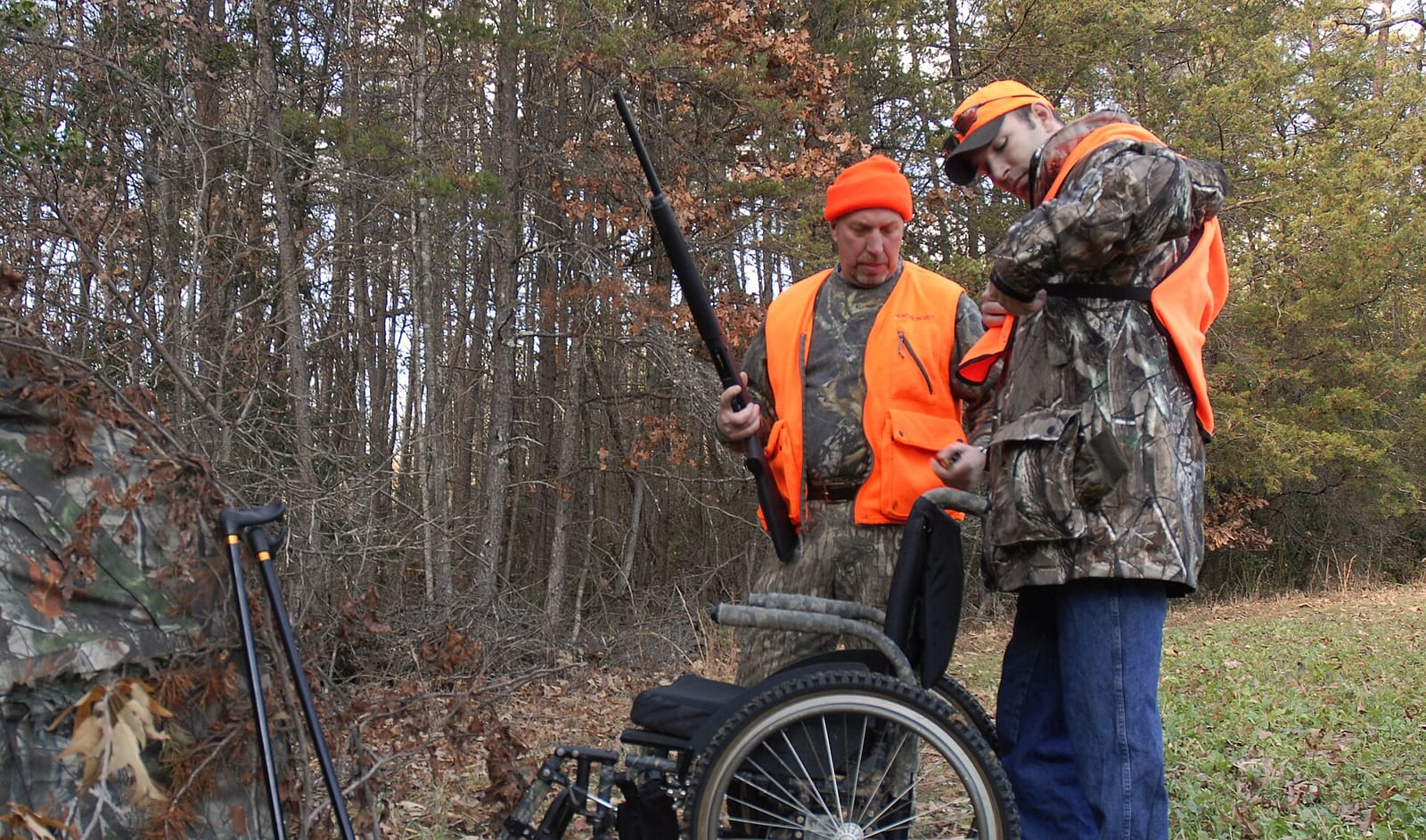
Several states now accept fluorescent hunter pink alongside traditional blaze orange for required high-visibility clothing. Washington, Minnesota, Wisconsin, Maryland, and Tennessee publish rules that treat orange and pink as legal options under defined square-inch or percent-coverage standards (WDFW hunter orange/pink; Minnesota DNR blaze clothing; Wisconsin DNR highly visible clothing; Maryland DNR fluorescent clothing; TWRA big game). Hunters still must read their own digest: pink is not universal, and camo-blaze patterns only count when they meet the fluorescent area test.
Key Takeaways
-
Washington requires at least 400 square inches of fluorescent orange and/or pink above the waist, visible from all sides; a hat alone does not qualify (WDFW hunter orange/pink).
-
Minnesota requires blaze orange or pink on the visible cap and outer clothing above the waist during firearms/muzzleloader deer seasons, with camo patterns at least 50 percent blaze per square foot (Minnesota DNR blaze clothing).
-
Wisconsin requires at least 50 percent of outer clothing above the waist, and any hat worn, to be blaze orange or fluorescent pink during firearm deer season (Wisconsin DNR highly visible clothing).
-
Maryland allows solid fluorescent orange/pink caps, 250-square-inch panels, or camo meeting a 50 percent rule, with listed exemptions (Maryland DNR fluorescent clothing).
-
Tennessee requires 500 square inches of fluorescent orange/pink on upper body and head for most big-game gun situations (TWRA big game).
Why pink entered the regs
States that added pink kept the safety goal - make hunters obvious to other hunters - while offering a second fluorescent color. Agency pages frame pink as an accepted fluorescent alternative, not as a fashion exemption from visibility rules (WDFW hunter orange/pink; Minnesota DNR blaze clothing; Wisconsin DNR highly visible clothing).
Deer vision debates about orange are a separate biology topic. Legal clothing rules exist for human-to-human detection. Do not confuse “can deer see it” with “does it meet the statute” (Maryland DNR fluorescent clothing; TWRA big game).
How to read a square-inch rule
Washington’s 400-square-inch rule is explicit that coverage must sit above the waist and show from all sides, and that a hat alone fails (WDFW hunter orange/pink). Tennessee’s 500-square-inch big-game rule similarly points to upper body and head, noting a hat-and-vest combination can fulfill it (TWRA big game).
Minnesota and Wisconsin use percentage language for garments and hats. Faded or stained clothing may fail even if it was legal when new - Wisconsin warns faded blaze may not meet requirements (Wisconsin DNR highly visible clothing; Minnesota DNR blaze clothing).
Camo blaze caveats
Camouflage patterns that mix blaze with dark breakup are legal in several states only when fluorescent area thresholds are met - Minnesota’s 50 percent per square foot and Wisconsin’s 50 percent clothing language are examples (Minnesota DNR blaze clothing; Wisconsin DNR highly visible clothing). Maryland likewise allows camo fluorescent garments meeting a 50 percent rule or solid panels/caps (Maryland DNR fluorescent clothing).
If your jacket looks mostly brown with orange speckles, measure before you argue with a warden. Agency recommendations often prefer solid fluorescent garments even when camo is legal (Wisconsin DNR highly visible clothing).
Season and method exceptions
Archery-only windows, waterfowl, turkey, and night raccoon hunts often carry exemptions - but overlapping seasons can yank those exemptions away. Washington requires orange/pink even for archers and muzzleloaders when they hunt in areas open to modern firearm deer or elk seasons (WDFW hunter orange/pink). Maryland lists archery exemptions with important county and season caveats (Maryland DNR fluorescent clothing).
Minnesota lists waterfowl-on-water and archery-only-area exceptions during firearms deer season (Minnesota DNR blaze clothing). Read the exception that matches your exact hunt, not a buddy’s state.
Travel hunters
Crossing state lines with a pink vest is fine only if the destination accepts pink. Confirm the current digest the week you leave. Print or screenshot the blaze page for WDFW, Minnesota, Wisconsin, Maryland, or Tennessee as models of how specific the language can be (WDFW hunter orange/pink; Minnesota DNR blaze clothing; Wisconsin DNR highly visible clothing; Maryland DNR fluorescent clothing; TWRA big game).
Ground blinds and companions
Maryland requires fluorescent display for people who accompany or assist hunters in many situations, and it has specific ground-blind display rules (Maryland DNR fluorescent clothing). Wisconsin’s firearm-deer highly visible clothing rule applies broadly when that season is open (Wisconsin DNR highly visible clothing). Non-shooting companions should dress as if they might be mistaken for game movement.
Bottom line
Where statutes allow it, blaze pink is a legal peer to blaze orange under square-inch or percent rules - but only the state you stand in decides, and faded camo-blaze often fails the math (WDFW hunter orange/pink; Minnesota DNR blaze clothing; Wisconsin DNR highly visible clothing; Maryland DNR fluorescent clothing; TWRA big game).
Field check before daylight
Lay your vest and hat on the truck hood at dawn and walk fifty yards. If a partner cannot pick the fluorescent panels instantly, the garment is too faded or too broken up (Wisconsin DNR highly visible clothing; Minnesota DNR blaze clothing). Replace rather than debate.
Carry a spare solid vest in the pack when you hunt mixed-method seasons that flip requirements midday when a firearm season opens under you (WDFW hunter orange/pink; Maryland DNR fluorescent clothing; TWRA big game).
Youth and mentor hunts
Youth seasons often still require high-visibility clothing even when adult archery hunts nearby do not. Maryland’s companion language and Tennessee’s big-game square-inch rule are reminders that safety clothing tracks risk of other hunters, not the age of the shooter (Maryland DNR fluorescent clothing; TWRA big game). Mentors should match the kid’s blaze standard.
Buying pink gear that actually qualifies
Look for fluorescent hunter pink labeled for hunting compliance, not pastel fashion pink. Agency photos and examples on Minnesota and Washington pages show the saturated fluorescent shade wardens expect (Minnesota DNR blaze clothing; WDFW hunter orange/pink). If the fabric looks dusty rose in daylight, it will not pass a square-inch audit next to true blaze orange.
Related: Can deer see orange? and Opening day as ritual.
The other side of it
A traveling hunter could argue the simplest move is to skip pink altogether, since the article admits pink isn’t universal and every state it lists accepts orange. One solid orange vest clears the same rules without checking whether the destination took the newer color. Then again, some guys will fight a pink vest harder than they fight a 400-square-inch rule they’ve never measured.
Keep reading
Latest deer news
Sources
- Hunter orange and/or hunter pink requirements | Washington Department of Fish & Wildlife
- Blaze clothing requirements | Minnesota DNR
- Highly Visible Clothing | General Hunting Regulations | Wisconsin DNR
- Fluorescent Orange and/or Pink Clothing Requirements & Exceptions
- Big Game Hunting - Tennessee Wildlife Resources Agency
Comments