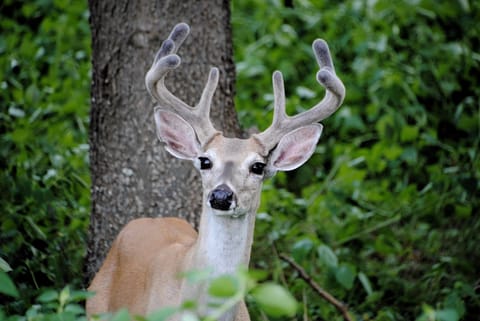
Early Season
Velvet bucks, bed-to-feed patterns, heat and the first weeks of archery.
Guides
- GuideHow Blood Flow Through Velvet Feeds Growing AntlersGrowing antlers are fed by velvet arteries from the pedicle; blood carries nutrients to tips then returns down the core until calcification shuts flow.
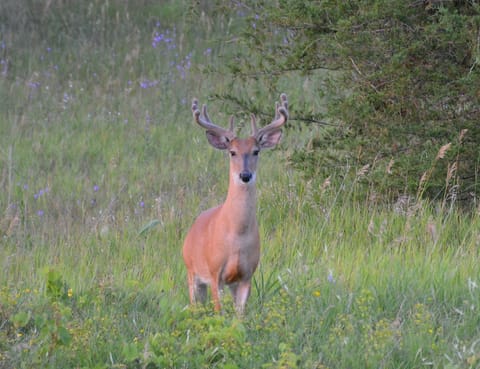
- GuideCan Bucks Feel Their Antlers in Velvet?Velvet antlers are living organs with blood vessels and nerves before they harden into dead bone. Here is what Utah DWR says about velvet and sensitivity.
- GuideCan CWD Spread Through Deer Saliva and Antler Velvet?USGS says CWD spreads within and among cervid populations. Here is a look at what research on saliva and antler velvet shows about how deer shed prions.
- GuideHow Long Does It Take a Buck to Shed Velvet?Velvet shedding is a short end stage of the antler cycle, not a multi-week peel you can schedule by the day. Here is what MSU and MU Extension explain.
- GuideWhy Late-Summer Browse Matters for Nursing DoesLactation is the biggest protein cost in a doe's year: MU Extension lists 14 to 22 percent dietary protein while nursing. Here's why late-summer browse matters.
- GuideWhy Velvet Antlers Are Easily Injured in SummerSummer bucks grow antlers wrapped in velvet with a rich blood supply and sensitive tissue. Here is a look at why velvet antlers are fragile and easily injured.
- GuideWhy Some Bucks Stay in Velvet Into FallMost healthy bucks shed velvet in late summer so hard antlers are ready for the rut, but a few stay in velvet into fall. Here is the hormone story behind it.