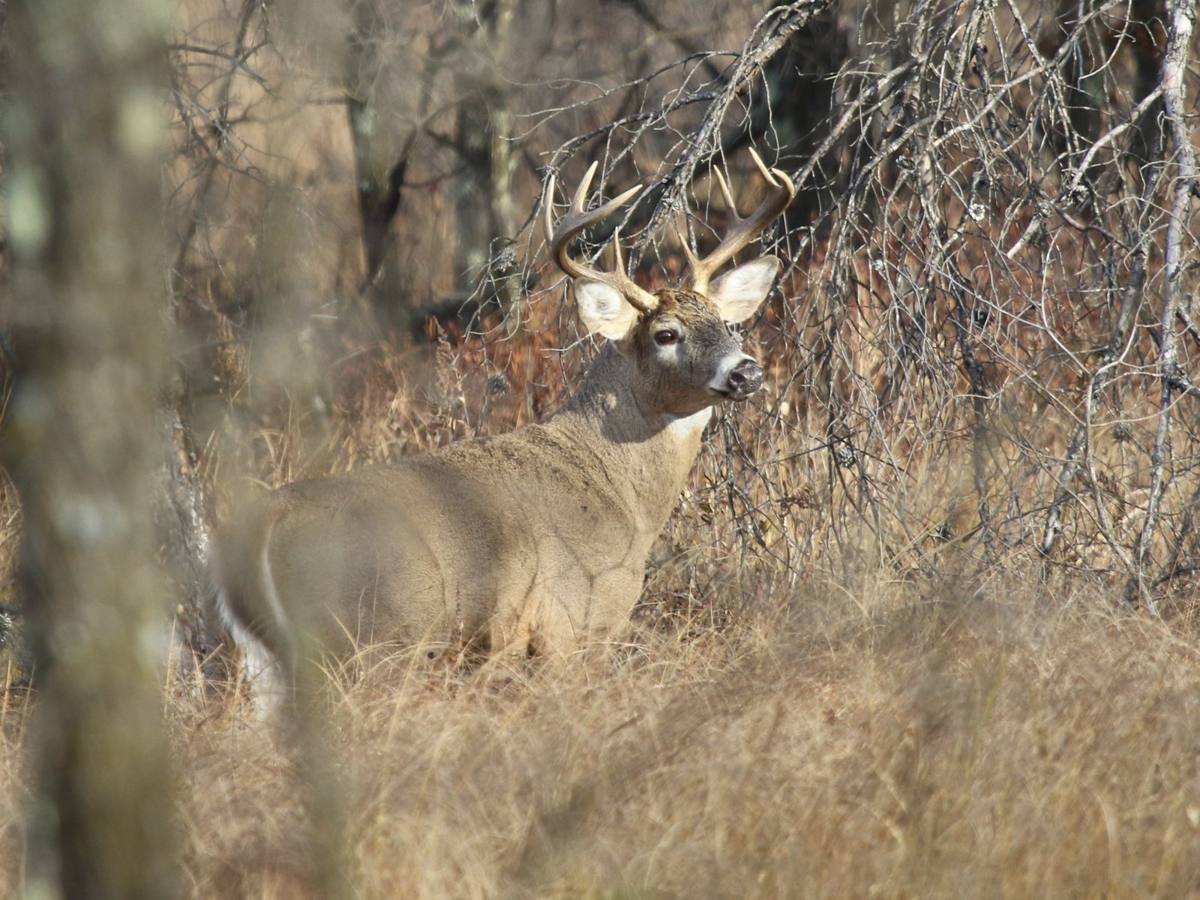
Idaho Fish and Game has publicly flagged deer mating season in November and warned that rutting wildlife can act aggressively toward people during that period (IDFG mating season press). Mule deer dominate most Idaho big-game deer hunting; breeding activity is commonly described across several weeks of November, sometimes lingering later depending on weather and herd. Your zone weapon dates still come from the current IDFG seasons and rules PDF - not from a national peak graphic (IDFG big game seasons and rules PDF).
Key Takeaways
- IDFG messaging highlights November mating season and aggressive wildlife behavior (IDFG mating season press).
- Download the current big-game seasons PDF and highlight your zone dates before calling a week the peak (IDFG big game PDF).
- Late storms can shove mule deer down overnight - keep a low-elevation backup glassing plan inside your legal unit.
- Do not approach rutting bucks for selfies.
- Whitetail pockets exist in some drainages; most tags are still mule deer stories.
Big-game PDF ritual
Download the current IDFG seasons and rules PDF, highlight your zone’s deer weapon dates, then pencil November as the behavioral rut band (IDFG big game PDF; IDFG mating season press). If your controlled hunt sits in October, you are hunting pre-breeding movement more than peak chasing. If it sits late, you may catch post-peak bucks on feed. Write both calendars on the same page.
What November behavior looks like
Expect increased buck movement, sparring, chasing, and reduced caution near roads and trailheads. IDFG’s public warning about aggressive mating-season wildlife is aimed at the public as much as hunters - keep distance (IDFG mating season press). Glass doe groups first. Bucks find them. Scrapes and rubs help, but Idaho mule deer country is often about ridges, saddles, and feed more than Midwest scrape lines.
Weather and elevation
Late storms can shove mule deer down overnight. Have a low-elevation backup glassing plan inside your legal unit. South slopes and wind-blown faces hold animals when north basins fill with snow. Carry traction and a paper map. A peak-week forecast that ignores avalanche and road closures is tourism, not hunting.
Roadside ethics
Do not approach rutting bucks for selfies. IDFG warns about aggressive mating-season wildlife for a reason (IDFG mating season press). Drive slower at dawn and dusk. Keep dogs leashed near camps. If a buck posts up on a highway right-of-way, leave it alone and call authorities if it creates a traffic hazard.
Public land pressure
Popular glassing pullouts fill on November weekends. Walk farther, hunt midweek, and use topography to hide your skyline. Respect private inholdings that checkerboard BLM and Forest Service ground. Breeding movement across a fence does not grant access.
Whitetail versus mule deer
Some northern and river-bottom units hold whitetails with slightly different social timing. Confirm the species on your tag and the unit description in the IDFG PDF (IDFG big game PDF). Do not paste a Midwest whitetail peak chart onto a desert mule deer unit.
Building an Idaho timing log
Record date, unit, snow line, wind, and behavior. After two seasons you will know whether your mountain peaks early or late November. Pair the log with harvest data when IDFG publishes it so camp stories do not override evidence. Keep the log with your license PDF.
Shot opportunity and recovery
Breeding bucks can appear suddenly in odd daylight hours. Stay ready without taking low-percentage running shots. Plan recovery before you shoot - steep Idaho country turns a downhill kill into an all-day pack. Cool meat thoroughly; November cold helps but a sunny rock face does not.
What not to invent
Do not invent a single statewide peak day. IDFG highlights November mating behavior; it does not replace unit-level observation (IDFG mating season press). Do not invent weapon dates from memory - open the current PDF (IDFG big game PDF).
Bottom line
Treat November as Idaho’s primary deer breeding band per IDFG public messaging, overlay your zone’s legal dates from the current big-game PDF, and hunt wind, elevation, and doe groups - not a national meme calendar (IDFG mating season press; IDFG big game PDF).
Zone worksheet you can copy
Make a four-column sheet: zone or unit, weapon season dates from the current IDFG PDF, November breeding band, and notes from your glassing log (IDFG big game PDF). Update it every year when the PDF refreshes. Tape it inside the lid of your ammo box.
Glassing loops that match breeding movement
Build a morning loop that hits doe feed first, then saddles bucks use to check those groups. Build an evening loop that catches silhouette ridges without skyline exposure. When snow pushes deer, shorten the loop toward lower benches inside the same legal boundary. Breeding week is a bad time to invent a brand-new multi-mile hike you have never walked in daylight.
Controlled hunts and draw reality
A perfect late-November breeding window means nothing without the tag. Apply early, read controlled-hunt footnotes, and keep an over-the-counter backup plan only if IDFG rules allow one in a unit you can reach. Pair draw strategy with the November behavioral band from IDFG messaging (IDFG mating season press).
Camp hygiene when bucks are bold
Store food locked. Keep dogs tied. Avoid leaving attractants that pull coyotes into a breeding-week camp already full of distracted bucks. Give wildlife space on shared trailheads - IDFG’s aggression warning is about real encounters (IDFG mating season press).
After the shot in November
Mark blood, wait when the hit is questionable, and pack a good light. Cold nights help meat but hide sparse blood under fresh snow. Tell a partner your unit and expected return time before you leave the truck. Confirm tagging and reporting steps in the current PDF before you celebrate (IDFG big game PDF).
The other side of it
The November band rests on an IDFG press release warning people about aggressive wildlife, which is a safety notice and not a breeding study. Nothing here pins timing to a unit or an elevation, and the river-bottom whitetail pockets run on slightly different social timing anyway. A hunter with a few seasons of notes from his own mountain has better evidence than this page does.
Keep reading
Idaho's biggest bucks in the record book →
Latest deer news
Comments