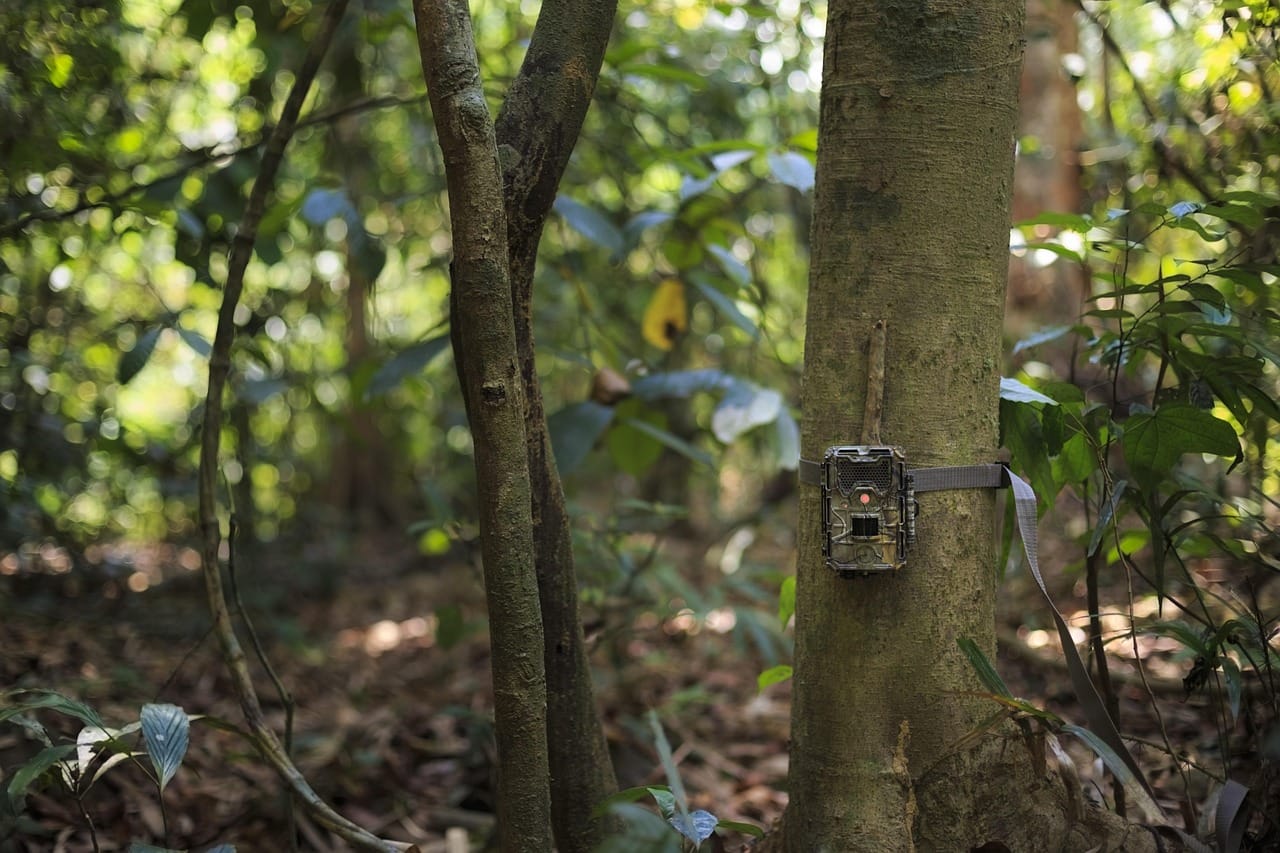
Trail cameras on public land are blamed for claiming spots, educating deer, and turning shared ground into a surveillance arms race. National Deer Association supports lawful trail-camera use - including cellular models - as hunting and management tools and says it has no data that cameras harm deer populations, while acknowledging western bans driven by social conflict (NDA trail-camera position). Wisconsin’s NR 45.04(3)(w) shows the cooperative regulatory path: label cameras, avoid damaging vegetation, and keep the field of view off trails, beaches, campgrounds, and parking areas (Wisconsin NR 45.04 trail cameras).
Key Takeaways
- NDA: no evidence cameras harm herds; evaluate new tech for fair chase case by case; western bans often started as social fights (NDA trail-camera position).
- Wisconsin DNR lands allow overnight unattended cams only if labeled with name/address or customer ID, nondestructive, and aimed in huntable areas away from designated public-use sites (Wisconsin NR 45.04 trail cameras).
- Cellular cams can reduce weekly disturbance walks but do not create a right to monopolize a public oak (NDA trail-camera position).
- Pressure problems are hunter density and behavior; cameras are a visible proxy for competition.
- Theft, litter, and trail-facing lenses fuel ban campaigns faster than any harvest statistic (Wisconsin NR 45.04 trail cameras).
What cameras actually change on public dirt
A camera does not close a unit. It can mark a scrape, show nocturnal patterns, and reduce scouting walks when cellular uploads replace card pulls (NDA trail-camera position). The social harm starts when five cameras claim one tree, when hikers feel watched from a trail, or when abandoned plastic becomes litter under NR 45-style property rules (Wisconsin NR 45.04 trail cameras). NDA’s position explicitly separates population science from fair-chase and social constructs that still justify standards (NDA trail-camera position).
Regulation patterns that keep access
Label-and-site rules like Wisconsin’s preserve inventory tools while giving wardens a ticket path for anonymous dumps (Wisconsin NR 45.04 trail cameras). Full bans, which NDA notes in parts of the arid West, erase the tool because conflict outran etiquette (NDA trail-camera position). Hunters who want cameras to remain legal should follow the strictest nearby leaflet: label, soft straps, no live-tree screws, pull dead units, and aim off recreation corridors (Wisconsin NR 45.04 trail cameras).
Fair chase and same-day pursuit
Push alerts that launch an immediate evening sit on a bedded public-land buck sit at the edge of NDA’s case-by-case fair-chase review (NDA trail-camera position). Self-imposed delays, pre-season-only cell use, or weekly digests reduce the “electronic pursuit” critique without requiring a statewide ban. Clubs can write those norms into bylaws faster than legislatures move.
Pressure without cameras still exists
Parking-lot counts, Saturday orange lines, and road-hunting loops educate deer whether or not a lens is present. Blaming only cameras ignores lottery design, season length, and walk-in distance - the same levers NDA cites when discussing quality public hunts (NDA quality public land). Removing every camera will not create solitude on a 200-acre WMA next to a city.
Hunter code that defuses bans
One camera per hunter per parcel. Share intel with partners instead of fencing a scrape with plastic. Face lenses into cover, not trails. Retrieve batteries and straps. If cellular service tempts fewer walks, keep the label legal (Wisconsin NR 45.04 trail cameras; NDA trail-camera position). Report theft rings rather than escalating with hidden cameras aimed at people.
Bottom line
Trail cams are not proven herd killers; they are social accelerants on crowded public land. Label-and-site rules beat blanket bans when hunters police litter and trail privacy (NDA trail-camera position; Wisconsin NR 45.04 trail cameras). Ruin is optional behavior, not inevitable silicon.
Related: Trail cam buyer’s guide and Public land trail camera rules.
Cellular cameras and the “claiming” problem
A cell cam that texts every dawn buck can convince a hunter the ridge is “theirs,” which intensifies conflict when another party walks in orange. NDA still supports cellular cameras as lawful tools but flags advancing features for fair-chase review (NDA trail-camera position). Public-land etiquette that works: hang late after scouting on foot, pull before leaving the county, and never aim at trucks or trails (Wisconsin NR 45.04 trail cameras).
Comparing ban versus label regimes
Ban states trade information tools for quieter social optics. Label states keep citizen-science and inventory value while creating enforceable litter and privacy rules (Wisconsin NR 45.04 trail cameras; NDA trail-camera position). If your unit is unlabeled and silent, call the property manager before hanging; silence is not permission on every forest. Document the answer. Hunters who ignore leaflets hand ammunition to ban campaigns NDA already documented in the West (NDA trail-camera position).
Measuring whether cams “ruin” a place
Track parking counts, encounter rates, and your own success across seasons rather than blaming silicon after one busted sit. If cameras multiply while walk-in distance stays 200 yards from the lot, the design problem is access geometry (NDA quality public land). Fix pressure with deeper walks, midweek sits, and lottery units - then decide if a labeled camera still helps. If a camera ban arrives on your favorite WMA, channel the energy into deeper access and doe harvest goals rather than illegal hidden cams that guarantee worse rules next year (NDA trail-camera position; Wisconsin NR 45.04 trail cameras).
Carry a spare strap and leave the tree healthier than you found it; damaged bark is how property managers justify the next ban (Wisconsin NR 45.04 trail cameras).
The other side of it
Even if cameras don’t hurt the herd, five of them on one oak tell the next hunter the spot is taken, and on shared ground that’s the whole complaint. A cellular camera also tells its owner exactly when the buck shows up, which is a head start nobody else on that ridge gets. Nobody hangs six cameras on a public ridge and calls it light scouting with a straight face.
Comments