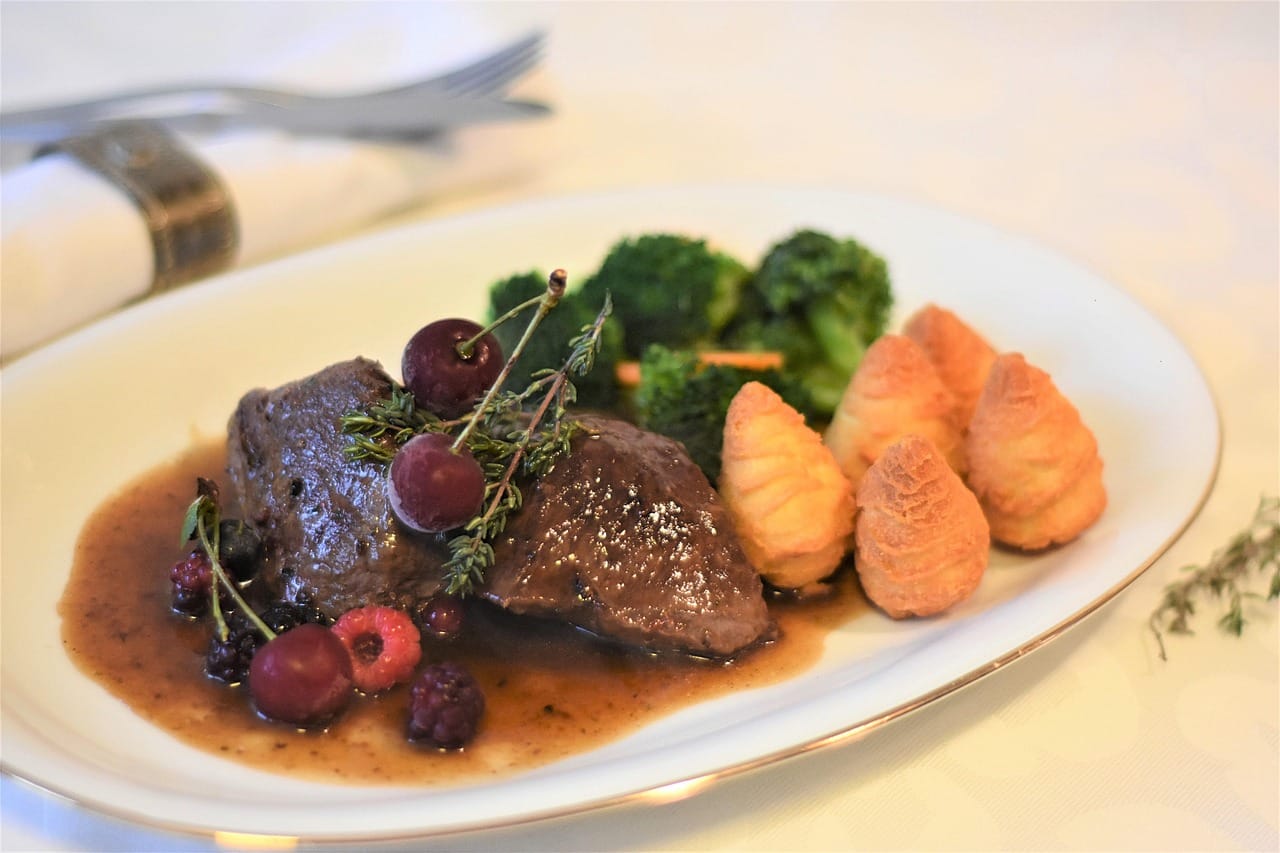
Is venison good for diabetics? Plain venison is one of the meats the American Diabetes Association names by name as a good choice. Its “Best Foods For You” handout lists “Buffalo, rabbit, and venison” among the best protein choices, alongside fish, poultry and lean cuts of beef. Plain venison has no carbohydrate and very little fat. The catch is what happens between the field and the plate: sausage, jerky, breading and sweet sauces can turn a lean meat into something else.
This is general nutrition information, not medical advice. Your doctor or a registered dietitian should set your meal plan.
Key Takeaways
- The American Diabetes Association lists venison as a lean protein choice for people with diabetes.
- Plain meat has zero grams of carbohydrate, per UAMS Health’s diabetic meal guide, so plain venison doesn’t count toward carb totals.
- It’s lower in fat than beef and pork, per University of Missouri Extension.
- Processed venison (sausage, sticks, jerky) can carry added fat, sugar and salt. The ADA says to cut back on processed meats.
- Use the ADA’s Diabetes Plate: a quarter of the plate for lean protein like venison.
- Cook venison to 160°F, and talk to your care team before big diet changes.
Is venison good for diabetics? What the ADA says
The American Diabetes Association’s protein page lists “Buffalo, ostrich, rabbit or venison” under game meats (American Diabetes Association). The same page says “It’s best to limit your intake of red meat which is often higher in saturated fat and processed meats like ham, bacon and hot dogs which are often higher in saturated fat and sodium.”
That puts venison in an interesting spot. It’s red meat, but the ADA lists it with game rather than with the beef and pork it says to limit. The ADA’s Diabetes Food Hub, describing low-carb eating patterns, lists “Lean meats: 95% lean ground beef, sirloin, venison, bison, turkey breast, white” chicken and pork as protein options (Diabetes Food Hub). And an ADA nutrition class guide includes “Wild game: deer, elk, bison” in its table of protein foods (ADA “What Can I Eat?” guide).
Carbs: zero
Carbohydrates are what move blood sugar most directly. The American Diabetes Association explains that when you eat carbs, “your body breaks those carbs down into glucose (a type of sugar), which then raises the level of glucose in your blood” (American Diabetes Association). Plain meat doesn’t have them. UAMS Health, the University of Arkansas for Medical Sciences, lists meat at “1 ounce = 7 grams of protein, 0 grams of carbohydrate, fat varies” and places venison among its “Very Lean Meat Choices” (UAMS Health).
That doesn’t make carbs the enemy. The ADA’s Diabetes Food Hub says “Limiting your portion of carbohydrate foods to one-quarter of your plate can help keep blood glucose from rising too high after meals” (Diabetes Food Hub). Venison fills a different part of that plate, and it belongs there alongside your carbs, not instead of a plan.
Fat and protein: lean by any measure
University of Missouri Extension nutrition specialist Tammy Roberts put numbers on it: “Three ounces of deer meat contains 134 calories and only 3 grams of fat.” By comparison, “The same amount of beef can contain 259 calories and 18 grams of fat; 3 ounces of pork has about 214 calories and 13 grams of fat” (University of Missouri Extension).
University of Wyoming Extension’s table puts 3 ounces of deer at 134 calories, 2.7 grams of fat and 1.1 grams of saturated fat (University of Wyoming Extension). It calls wild game “relatively low in saturated fat” and “considered lean sources of protein.” The numbers differ a little between sources because cuts and methods differ, but they all land in lean territory. For more on the numbers, see our venison nutrition profile vs beef and is deer meat good for you.
Where venison stops being lean
Processing changes the math. Venison is lean enough that many cooks add fat when they grind it. MeatEater’s Danielle Prewett writes, “My rule of thumb is to add 10-20% fat when making venison burgers,” and for sausage, “Twenty percent is the minimum amount that I would add, but 30% is considered standard” (MeatEater). That added pork or beef fat is the fat you’re eating, so if you’re watching saturated fat, ask your processor for a leaner grind or grind it yourself.
The ADA handout says to “Cut back on processed and fatty meats like hot dogs, luncheon, and breakfast meats; full fat dairy and lard, butter, and high-fat sauces and gravies.” Venison summer sausage, snack sticks and breakfast sausage fall into that processed category. Sweet jerky marinades and barbecue sauces add carbs that plain meat doesn’t have, so read the label or the recipe.
How to fit venison into a diabetes meal plan
The ADA’s Diabetes Plate is a simple start. “Filling half your plate with non-starchy vegetables means you will get plenty of servings,” the Diabetes Food Hub says, then “Fill 1/4 of your plate with lean protein foods” and “Fill 1/4 of your plate with quality carbohydrate foods.” Venison fits the lean-protein quarter.
A few practical points:
- Choose whole cuts like loin, round and sirloin over sausage.
- Grill, roast or braise rather than bread and fry.
- Cook it safely. Penn State Extension says “Cook venison, including jerky, to a minimum internal temperature of 160°F to reduce the risk of food-borne illness” (Penn State Extension).
- If you’re changing how many carbs you eat, the Diabetes Food Hub says “Talk with your doctor about whether any of your medications need adjustment before and after you make changes in your food choices.”
For recipe ideas, see our venison recipes and venison stew.
FAQ
Is venison good for diabetics? Plain venison is a lean, zero-carb protein that the American Diabetes Association lists among its recommended protein choices. Processed venison is a different story.
Does venison raise blood sugar? Plain venison contains no carbohydrate. What you eat with it, and any sugary marinade or breading, will affect blood sugar.
Is venison jerky OK for diabetics? It depends on the recipe. Many marinades contain sugar, and the ADA says to cut back on processed meats. Check the label.
Is venison better than beef for diabetics? Three ounces of deer meat has far less fat than the same amount of beef, per University of Missouri Extension. The ADA lists venison as a game choice and says to limit red meat that’s higher in saturated fat.
The other side of it
No study we found tests venison specifically in people with diabetes. The case for it rests on its nutrition numbers and on diabetes groups listing it as a lean protein, which is reasonable but indirect. The ADA’s own guidance also says the best protein choices include plant-based foods, so venison isn’t the only good answer. The best meat for your blood sugar is the one that fits a plan you and your care team agree on. And the hunter who grinds his backstrap into 30 percent pork-fat summer sausage and calls it health food is fooling exactly one person.
Keep reading
Latest deer news
Sources
- Protein Food for Diabetes, American Diabetes Association
- All About the Low Carb and Very Low Carb Eating Patterns, American Diabetes Association (Diabetes Food Hub)
- What Can I Eat? Participant Guide, Class 3, American Diabetes Association
- Diabetic Diet: Meat Choices, UAMS Health (University of Arkansas for Medical Sciences)
- Wild Game: The Other Red Meat, University of Wyoming Extension
- Canning and Freezing Venison, Penn State Extension
- Understanding Carbs, American Diabetes Association
- What is the Diabetes Plate?, American Diabetes Association (Diabetes Food Hub)
- Venison is a healthy choice but should be handled with care (April 12, 2018), University of Missouri Extension
- How Much Fat Should You Add to Ground Venison?, MeatEater Wild Foods (Danielle Prewett)
Comments