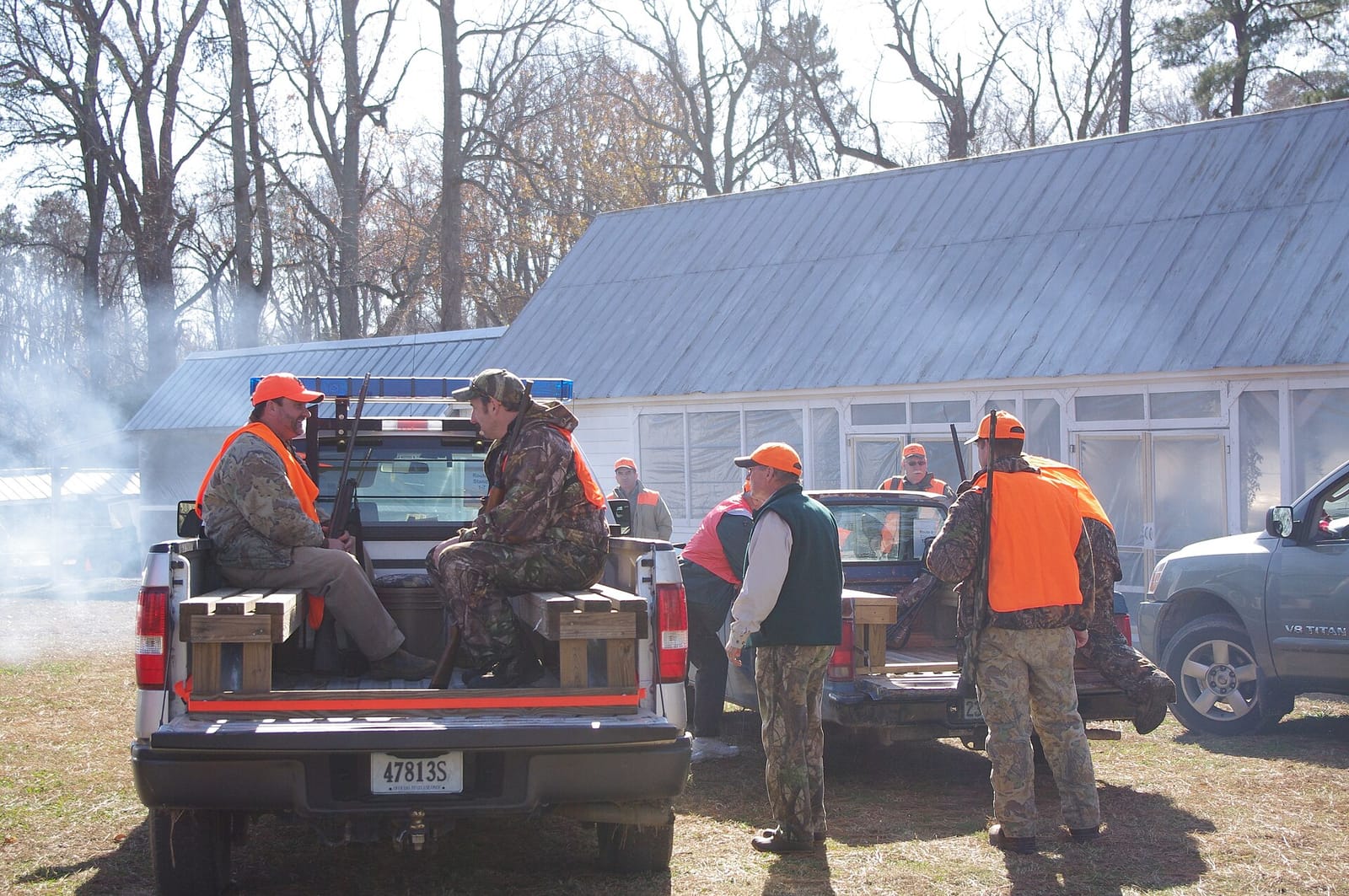
The deer camp traditions that still shape opening day are the ones that teach safety, ethics and cooking as much as marksmanship: who cooks opening breakfast, who sits which stand, how the kids get mentored. Federal hunting heritage messaging treats hunting as a conservation funding and wildlife-management partner, not just a private hobby (USFWS hunting story). Camps that write down their firearm rules, meat care and guest expectations send more people home with venison and fewer with regrets.
Key Takeaways
- Written camp rules beat verbal folklore when guests and youth show up.
- Mentorship traditions influence safety more than camouflage brands (USFWS hunting story).
- Food safety and carcass care at camp protect the table after the shot.
- Stand rotation cuts down on conflict and keeps pressure from stacking on one oak.
- Heritage framing ties camp weekends to license dollars and habitat funding (USFWS hunting story).
Why does deer camp still matter?
Public-land crowds and digital scouting didn’t kill the camp. People still sleep in bunks, tell stories and decide who gets the creek stand. That social layer passes down habits, good or bad, and those traditions still shape success rates and injury rates more than any new gadget.
USFWS hunting heritage materials put hunters inside the North American conservation model, funded by licenses and excise taxes (USFWS hunting story). Camp is where that identity gets personal.
What safety rules should every deer camp have?
Put them on paper. Post unloaded-firearm rules in the cabin, require blaze compliance for the state you hunt, and ban alcohol before hunts. A tradition that winks at loaded rifles in trucks is a liability. Review the rules every opener like a preflight checklist.
Opening breakfast is the best time to do it. Run a two-minute briefing over the eggs: wind forecast, who sits where, radio channel, and who is mentoring whom. Camps that keep food and briefing separate waste the one moment everyone is awake and sober (USFWS hunting story). Write the stand roster on a whiteboard, because oral traditions fall apart when cousins arrive late.
Label shelves for the communal gear: bone saw, game cart, first-aid kit, spare blaze vests. Nobody should be hunting for a tourniquet in the dark (USFWS hunting story). Inventory the loft each September the way a volunteer fire department would.
How should deer camp bring along kids and new hunters?
Give each youth or new adult a mentor stand for the first weekends. Heritage carries on when somebody talks through wind checks and shot timing out loud (USFWS hunting story). Phones alone don’t mentor.
If tradition meant only one kind of hunter got the good stands, update the tradition and set equal access rules. Heritage messaging about recruitment fails if camp culture blocks the recruits (USFWS hunting story).
Keep the ghost-buck stories, but call them stories. Celebrate tagged deer with honest ranges and shot angles, so kids learn truth-telling as a camp value right alongside the humor.
How do you keep stands and tags fair at deer camp?
Rotate the premium stands. Publish a doe-tag plan that matches agency objectives. Camps that hoard the good opportunities for two people burn out the land and the membership.
Every camp also needs a written way to settle who shot first, who drags and who gets meat shares. Put it down before there’s blood on the snow. A system that runs on the loudest uncle produces long winters of resentment.
Guests get a tour on arrival: property boundaries, target directions, where the medic kit is, and quiet hours. A figure-it-out-yourself tradition produces trespass and skyline mistakes. A one-page guest card covers it.
Then there’s the phone. Decide whether group texts can reveal live deer locations during legal light. Some camps ban real-time pinning to keep from piling up on one deer.
What meat-care traditions should a camp keep?
Opening-weekend chili shouldn’t be competing with an uncooled deer in a warm garage. Build ice, hanging and processing plans into camp tradition right next to the menu. A camp famous for steaks should also be famous for clean knives.
At the meat pole, agree on tagging before photos, ice before beer, and one person who tracks cooler temperatures. Heritage includes feeding families safely, not just hanging antlers (USFWS hunting story). If the camp processes together, laminate a knife-cleaning and grind protocol.
How should deer camp close out the season?
With a notes night. Talk through which stands burned out, which doe tags went unused, and which guests deserve an invitation next year. Tie the unused tags to a talk about agency antlerless goals so camp conversation stays connected to management (USFWS hunting story).
Pick one non-hunting job each season, too: trail clearing with landowner permission, trash pickup on the public tract, or a group license-buying night for new hunters. It ties the work to the conservation story and keeps camp from being only about taking (USFWS hunting story).
And when the founder ages out, hold a formal handoff of leases, stand maps and rule sheets. A lot of lost traditions are really just lost binders. One hour of transfer protects decades of knowledge (USFWS hunting story).
Related: Opening day as ritual and Blaze pink vs orange.
The other side of it
A lot of good camps have run for generations on handshakes, and turning every tradition into a laminated binder can drain the fun that brings people back. The claim that traditions move success and injury rates more than gadgets is a fair hunch, but the article never puts a number on it. Some of this is common sense with a clipboard. Still, the camps that swear they don’t need anything in writing are the same ones still arguing over who shot first.
Keep reading
Latest deer news
Comments